
Introduction
Does RF microneedling hurt? This is one of the most frequently searched questions by patients considering advanced skin rejuvenation treatments. While RF microneedling has become a widely adopted treatment in aesthetic clinics for skin tightening, scar reduction, and collagen remodeling, concerns about pain and discomfort often influence treatment decisions.
In this blog, we break down how RF microneedling works, what it actually feels like, and what factors determine pain levels, all from a professional and clinical perspective. We also explain how treatment depth, technology, and device quality directly impact both comfort and results.
What Is RF Microneedling and How Does It Work?
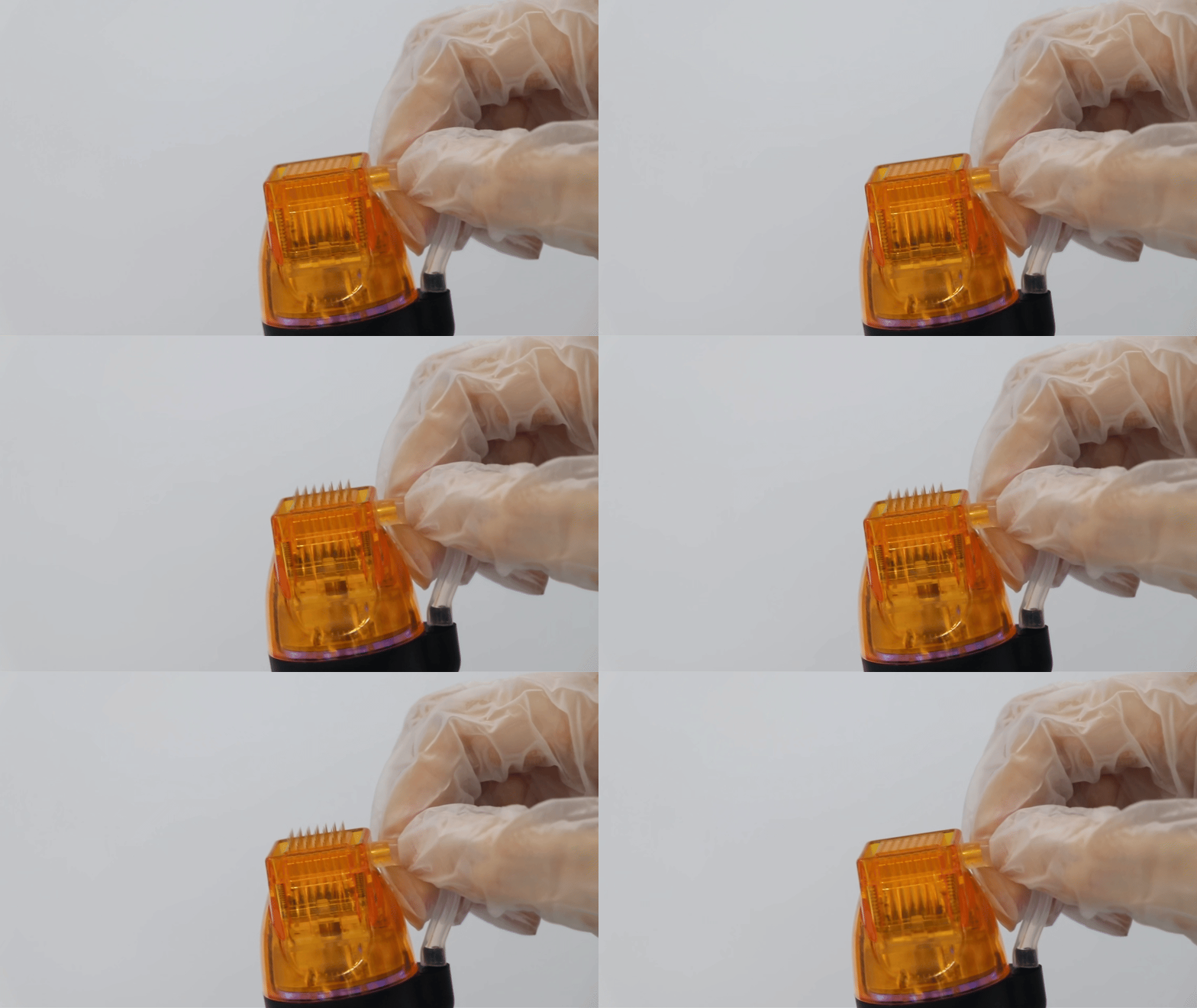
RF microneedling (radiofrequency microneedling) is a minimally invasive aesthetic procedure that combines mechanical microneedling with controlled radiofrequency energy.
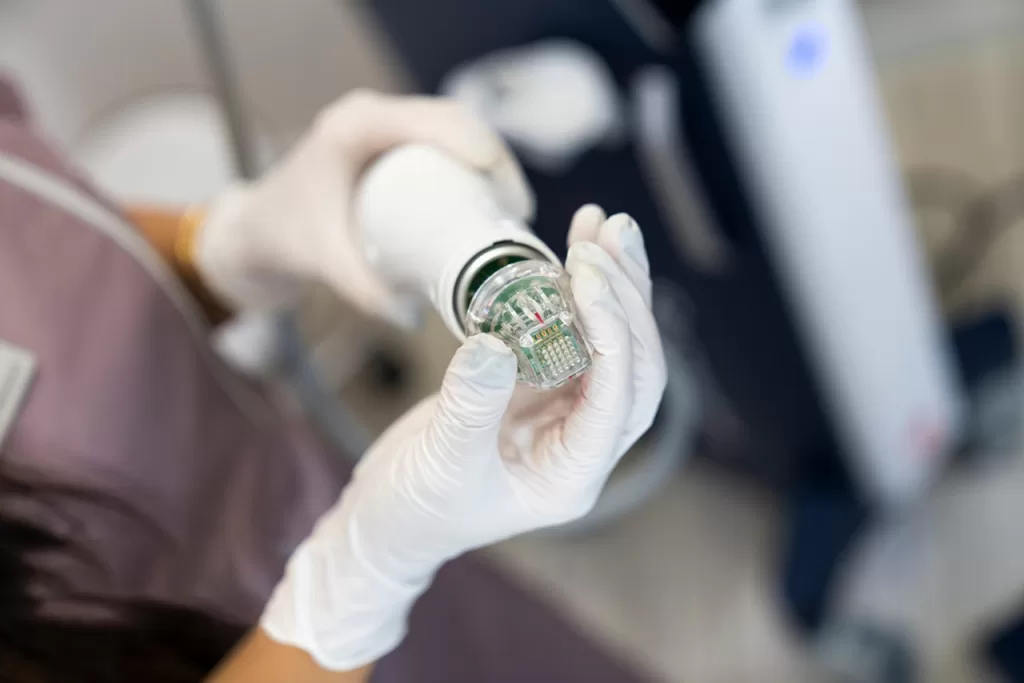
During treatment, ultra-fine insulated needles create microchannels in the skin while delivering RF energy directly into the dermis. This dual-action approach triggers the body’s natural wound-healing response and stimulates:
- Collagen remodeling
- Elastin production
- Skin tightening at deeper layers
Unlike traditional microneedling, RF microneedling bypasses the epidermis and delivers heat precisely where collagen regeneration occurs, resulting in more noticeable and longer-lasting results.
What Does RF Microneedling Feel Like During Treatment?
Most patients describe RF microneedling as a warm, prickling, or pressure-like sensation rather than sharp pain. During treatment:
- The microneedles create a mild pinching feeling
- RF energy produces a controlled warming sensation beneath the skin
- Sensation intensity varies by treatment area
Areas with thinner skin, such as the forehead or jawline, may feel more sensitive, while cheeks and lower face are typically better tolerated.
Clinics usually apply topical numbing cream beforehand, which significantly reduces discomfort and allows practitioners to use therapeutic energy levels safely.
Does RF Microneedling Hurt Compared to Traditional Microneedling?
Compared to traditional microneedling, RF microneedling is often better tolerated when performed with professional devices.
| Treatment Type | Pain Level | Key Sensation |
|---|---|---|
| Traditional microneedling | Moderate | Repetitive scratching or dragging |
| RF microneedling | Mild to moderate | Pressure + warmth |
Traditional microneedling relies solely on mechanical injury at the skin surface, which can irritate nerve endings. RF microneedling delivers energy below the epidermis, reducing surface trauma while improving results.
What Factors Affect Pain Level During RF Microneedling?
Several variables directly influence how much RF microneedling hurts:
- Needle depth
- RF energy intensity
- Treatment area
- Skin thickness and sensitivity
- Quality of the RF microneedling device
Among these, treatment depth plays the most critical role in both pain perception and clinical outcomes. Clinical studies published in journals such as Lasers in Surgery and Medicine analyze both tissue effects and clinical outcomes of RF microneedling parameters, making it highly relevant to discussions on depth, efficacy, and pain.
RF Microneedling Hurt vs Results: Is It Worth It?
When evaluating RF microneedling, most patients and clinics agree that the results justify the temporary discomfort. RF microneedling delivers:
- Long-term collagen regeneration
- Visible skin tightening
- Improved scar and texture correction
Unlike surface-based treatments, RF microneedling addresses structural skin aging at its source. With proper technique and high-quality devices, discomfort remains manageable while results continue to improve over several months.
Reduce Pain: RFM Star™ Is Recommended
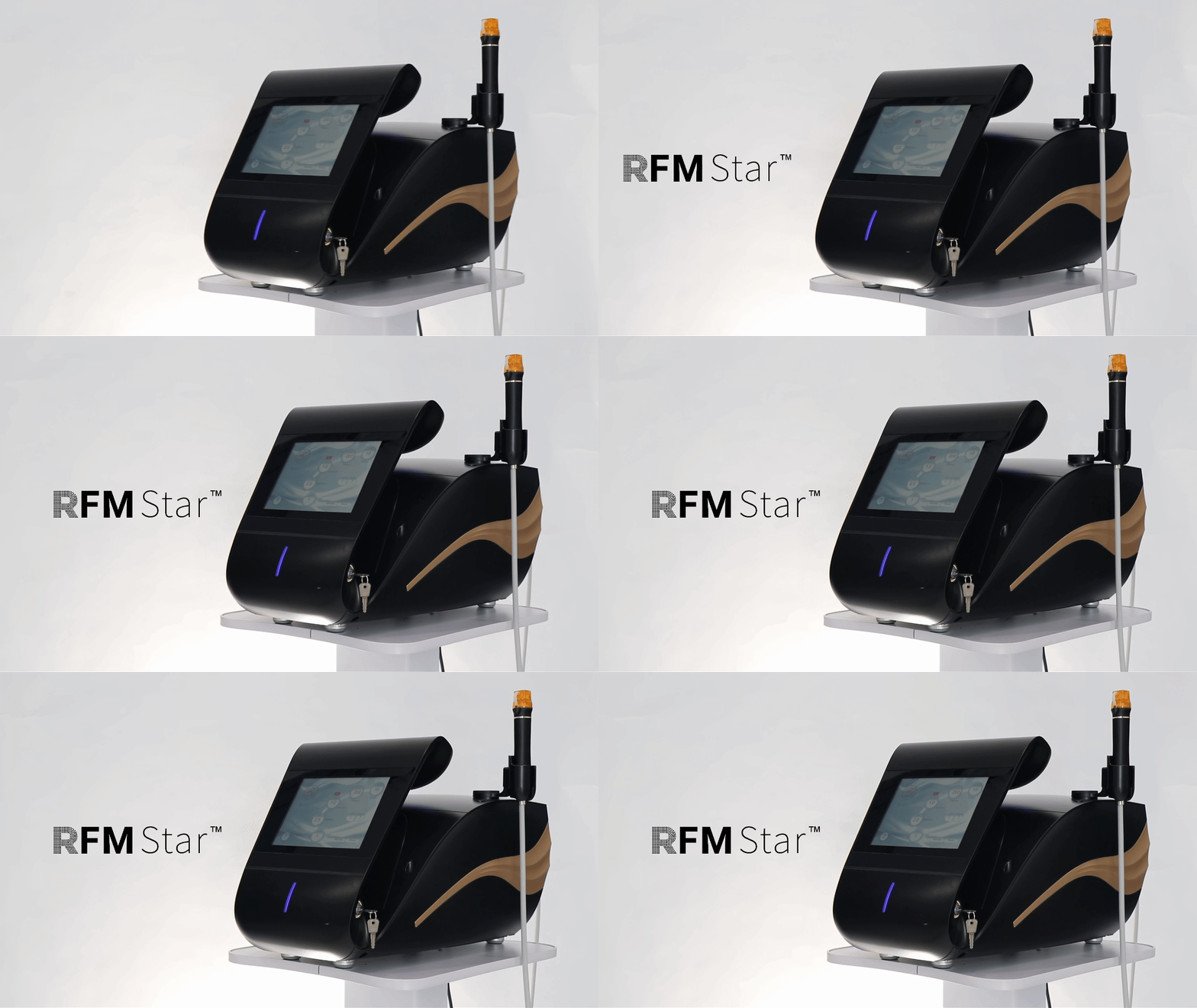
Pain control and treatment outcomes depend heavily on device engineering. The PZLASER RFMStar™ RF microneedling machine combines microneedling, radiofrequency energy, and vacuum technology into a single versatile platform. RFM Star™ is designed for professional clinical use, featuring:
- Precise depth control for customized treatments
- Stable RF energy delivery to reduce hot spots
- Insulated needle technology to protect the epidermis
- Ergonomic handpieces for consistent pressure
By combining accurate depth adjustment with controlled RF output, PZLASER devices help clinics achieve maximum results with minimal patient discomfort.
RFMStar™: Multiple Advantages In One
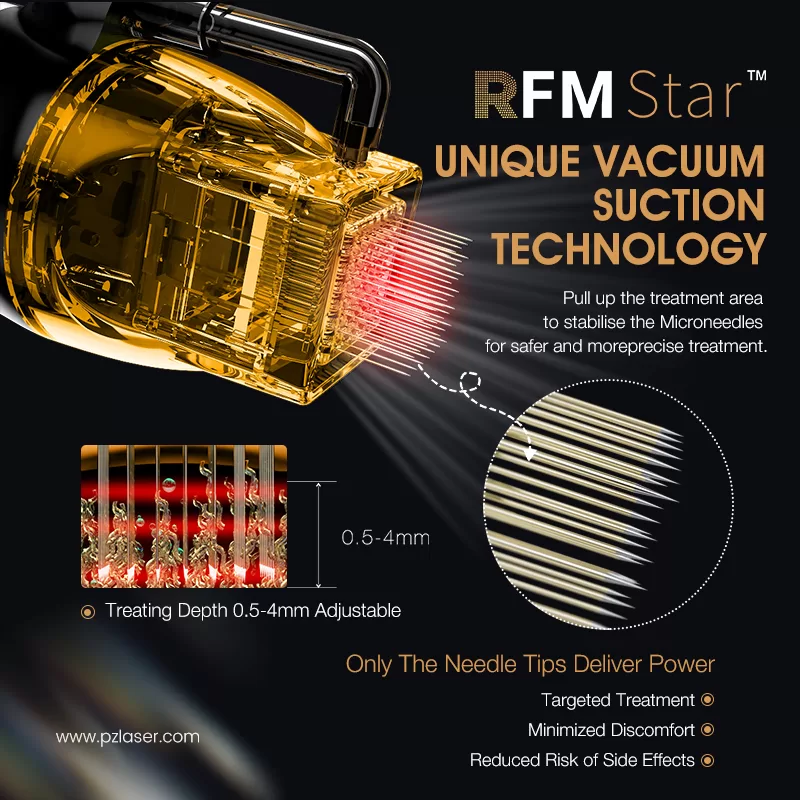
Ultra-thin insulated Microneedling
Ultra-thin insulated needles create controlled microchannels in the skin to initiate the body’s natural healing response.
Precise RF Energy
RF energy is delivered directly to the needle tips, allowing it to penetrate deeply into the dermis and stimulate the production of collagen and elastin, while minimizing heat spread to surrounding tissues. This focused energy delivery increases safety and reduces risk in sensitive zones, while ensuring consistent therapeutic outcomes.
Gentle vacuum Suction
Gentle vacuum lifts the treatment area, stabilizing skin tissue for precise needle placement and improved safety, especially in delicate regions like around the eyes.
Adjustable Depth
RFMStar™ allows clinicians to precisely adjust needle depth and energy intensity 0.5-4mm, enabling personalized treatments for a wide range of indications — from fine lines and enlarged pores to acne scars and skin laxity. This feature supports tailored protocols for each patient’s unique anatomy and aesthetic goals.
Frequently Asked Questions About RF Microneedling
How Long Does Pain or Discomfort Last After RF Microneedling?
Most patients experience mild redness, warmth, or tightness for 24–72 hours. Discomfort typically resolves within one to two days, depending on treatment depth.
Is RF Microneedling Safe for Sensitive Skin or Low Pain Tolerance?
Yes, when performed with adjustable professional devices. Practitioners can customize depth and energy settings to suit sensitive skin types safely.
Does RF Microneedling Cause Bleeding?
Minimal pinpoint bleeding may occur at deeper depths, but RF energy helps coagulate tissue and reduce surface trauma.
Is RF Microneedling Painful Without Anesthesia?
Without topical anesthesia, RF microneedling may cause noticeable discomfort, especially at deeper settings. For this reason, professional protocols typically include numbing cream to ensure patient comfort and allow consistent energy delivery.
Conclusion
So, does RF microneedling hurt?
In most cases, the answer is no—when performed correctly with professional equipment. For clinics and med spas, choosing the right RF microneedling device is critical. Professional-grade equipment allows practitioners to tailor treatment depth and energy to different skin conditions, ensuring effective collagen remodeling while avoiding unnecessary discomfort. A more comfortable treatment experience leads to higher patient satisfaction, stronger word-of-mouth referrals, and increased repeat visits.
RFM Star™ by PZLASER is designed with these clinical and business needs in mind. With adjustable microneedling depths, controlled RF output, and epidermis-protective technology, RFM Star™ helps practitioners deliver consistent results while improving patient comfort. By investing in a reliable and clinically engineered RF microneedling system, clinics can reduce pain-related concerns, enhance treatment outcomes, and build long-term trust and reputation in a competitive aesthetic market.