
Introduction
Walk into almost any modern med spa or aesthetic clinic, and you’ll likely see one treatment topping the service menu: Hydrafacial. Hydrafacial treatments have become one of the most profitable and frequently booked services in modern aesthetic clinics and med spas. But before adding this treatment to your business, one key question always comes first: How much does a hydrafacial machine cost—and what exactly am I paying for?
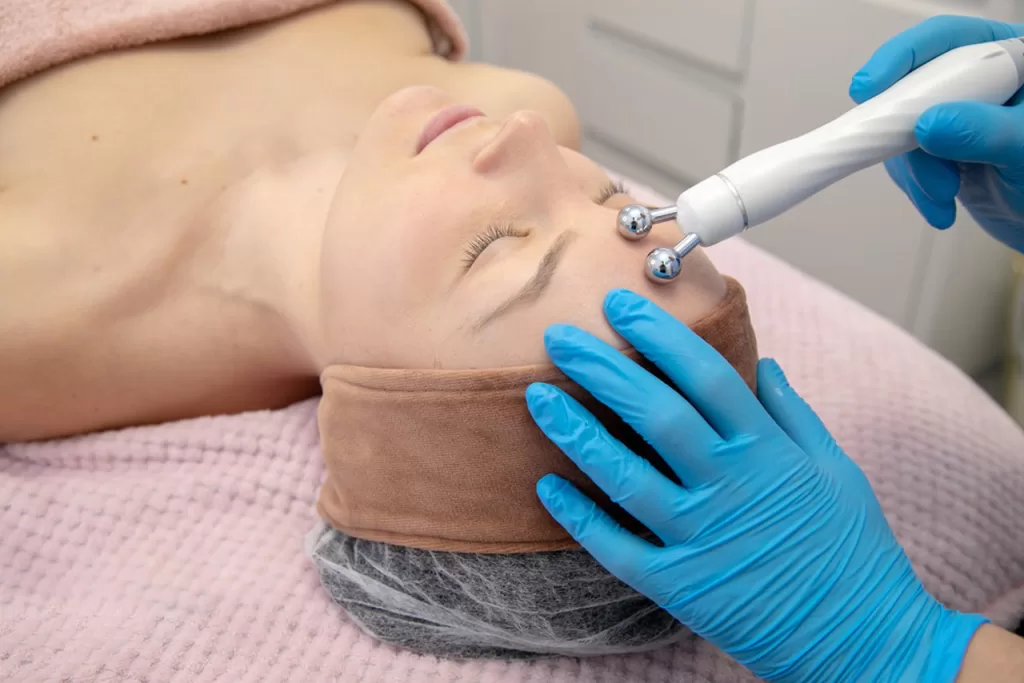
The answer isn’t as simple as a single price tag. The Hydrafacial machine varies widely depending on technology, configuration, certification, and long-term operating value. In this guide, we break down hydrafacial machine cost with real market data, explain what affects pricing, and help you decide which type of hydrafacial system makes the most business sense.
What Is Hydrafacial?
Hydrafacial is a non-invasive, multi-step facial treatment that combines cleansing, exfoliation, extraction, hydration, and skin nourishment in a single procedure.
Unlike traditional facials that rely heavily on manual techniques, hydrafacial treatments use controlled water-based exfoliation and vacuum technology to cleanse pores while simultaneously infusing active serums into the skin.
This is why hydrafacial can have such remarkable therapeutic effects and has become one of the most reliable “entry treatments” for client retention.
- Deliver immediate, visible skin improvement
- Works on almost all skin types, including sensitive skin
- Require no downtime
- Encourage frequent repeat treatments
How Does a Hydrafacial Machine Work?
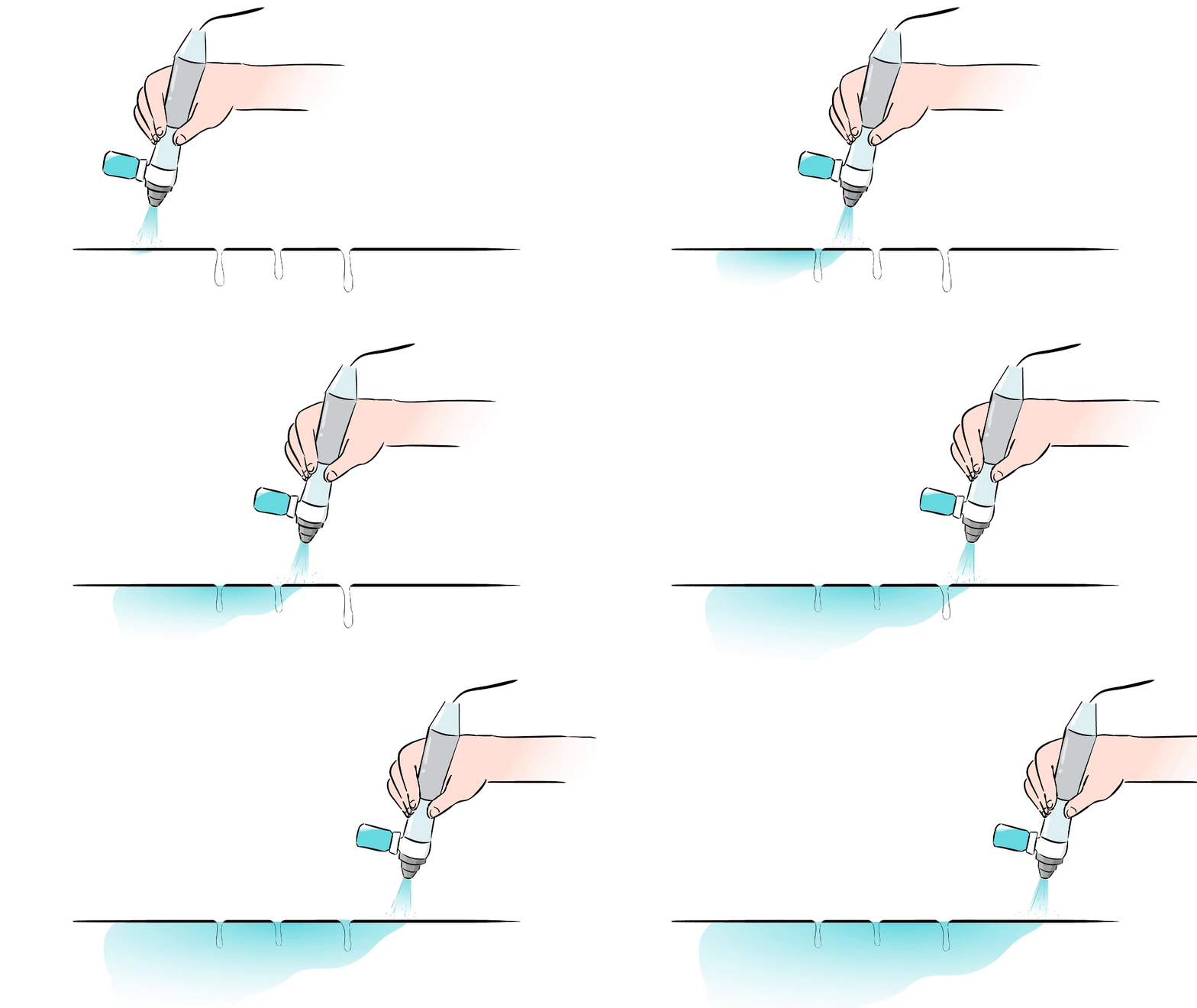
The Conventional Hydrafacial Machine Work can be summarized as: 3 steps, 30 minutes.
STEP1. Cleansing and Exfoliation
Use hydro-dermabrasion tips to remove dead skin cells while delivering a gentle stream of water or solution. This process cleans the skin surface without irritating it.
STEP2. Deep Pore Cleansing and Extraction
Controlled vacuum pressure loosens impurities, excess oil, and debris inside pores.
STEP3. Hydration and Serum Infusion
After cleansing, the system infuses targeted serums—such as hydrating, calming, or brightening solutions—directly into freshly exfoliated skin, maximizing absorption.
Professional hydrafacial systems integrate other technologies, such as RF, EMS, Ultrasound, and OXYGEN. The more precise and stable these processes are, the higher the hydrafacial machine cost tends to be.
What Is the Average Hydrafacial Machine Cost?
The global market offers a wide range of hydrafacial systems designed for different business stages and treatment goals. Therefore, the prices of hydrafacial machine also vary greatly.
Entry-Level Hydrafacial Machines
They are designed for basic skin cleansing and exfoliation. They usually include suction, water-based exfoliation, and simple serum infusion. These devices suit: beauty salons are offering facial treatments, budget-limited startups, and Low-frequency facial services.
Professional Hydrafacial Machines
This price range represents the core of the professional med spa market. Machines in this category typically include:
- Stable hydro-dermabrasion systems
- Adjustable vacuum pressure
- Multiple treatment handles
- Better serum delivery precision
- Enhanced safety for sensitive skin
| Machine Type | Typical Cost Range | Best For |
|---|---|---|
| Basic hydrafacial machine | $2,000–$4,000 | Entry-level salons |
| Multi-function hydrafacial system | $5,000–$12,000 | Med spas & clinics |
There are also some medical-grade hydrafacial platforms, priced above $15,000, suitable for hospitals and high-end centers. Many factors influence the hydrafacial machine cost.
What Factors Affect Hydrafacial Machine Cost?
Technology and System Architecture
Basic machines usually focus on exfoliation and suction. More advanced systems use controlled vortex flow, integrate hydro-dermabrasion, vortex infusion, serum delivery, and additional modalities such as RF, EMS, ultrasound, or cooling therapy. When manufacturers design systems with precise flow regulation and pressure stability, production cost increases—but so does treatment safety and consistency.
Treatment Versatility and Upgrade Potential
Modern clinics prefer systems that:
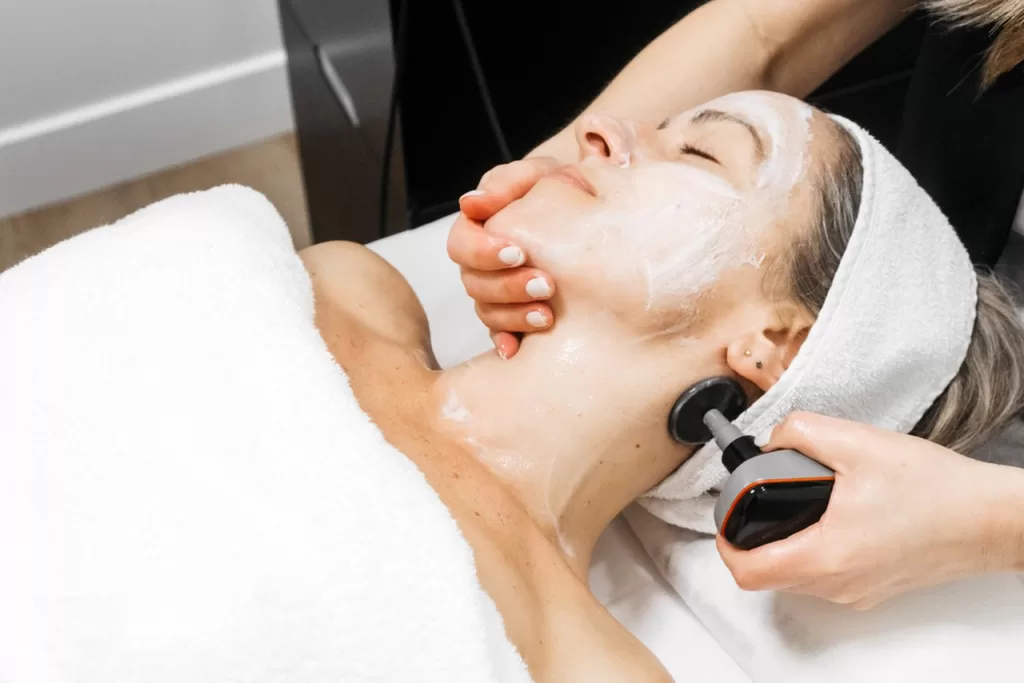
- Combine cleansing, exfoliation, hydration, and rejuvenation
- Support add-on technologies such as RF, EMS, or ultrasound
- Allow future functional expansion without replacing the device
This modular capability directly influences the hydrafacial machine cost.
Clinical Results and Skin-Type Coverage
The Hydrafacial Machine is capable of treating Sensitive skin, Acne-prone skin, aging, or dehydrated skin. Require better control systems and higher-quality components. This ensures predictable results and reduces post-treatment reactions, which is critical for professional clinics.
Manufacturer Type and Supply Chain
Brand structure strongly affects pricing. Direct manufacturers and OEM suppliers often offer equivalent performance at lower cost, especially for B2B buyers. Clinics that work directly with manufacturers also benefit from faster technical support and customization.
Hydrafacial Machine Cost by Machine Type
Basic Single-Function Systems: focus on cleansing and exfoliation. They cost less but generate limited treatment differentiation.
Multi-Function Hydrafacial Systems: combine multiple skin treatments into one device, increasing appointment value and treatment flexibility.
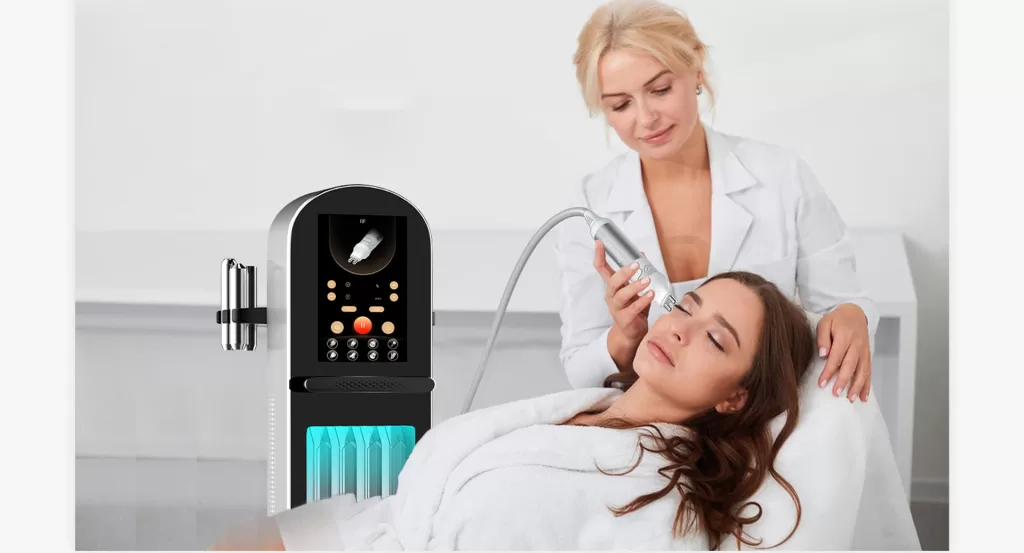
How to Choose the Right Hydrafacial Machine?
Choosing a hydrafacial machine is not about buying the cheapest option—it’s about choosing the most suitable system for your business model.
Match the Machine to Your Client Base
If you treat sensitive skin, acne-prone skin, or anti-aging clients, you need precise control systems—not basic suction devices.
Prioritize Ease of Use
User-friendly systems reduce training time and operational errors, especially in high-volume clinics.
Calculate Total Ownership Cost
When you analyze “hydrafacial machine cost,” it’s important to include everything, not just the purchase price. Hidden and Long-Term Costs You Must Consider: maintenance & spare parts, consumables and solution kits, training & certification for staff, Potential downtime and repairs. A slightly higher initial investment often reduces these hidden costs over time.
Hydrafacial Machine Cost vs ROI
For clinics aiming to build predictable revenue, professional hydrafacial machines deliver unmatched efficiency. Hydrafacial treatments typically take 30 minutes or less, allowing high daily throughput.
Most clinics charge:
- USD 100–150 for standard treatments
- USD 200–300 for advanced or combination protocols
With consistent bookings, clinics often recover the full Hydrafacial machine cost within a few months. High repeat rates further increase lifetime customer value.
Frequently Asked Questions About Hydrafacial Machine Cost
Higher-priced machines usually offer better technology, stability, and treatment versatility—but value matters more than price alone.
Many clinics recover their Hydrafacial machine cost within 2–6 months, depending on pricing and client volume.
Advanced systems with precise pressure control perform better on sensitive skin.
Why AquaStar® Is a Smart Investment for Clinics and Med Spas
One Platform, Multiple Treatments: Maximize Value from a Single Investment
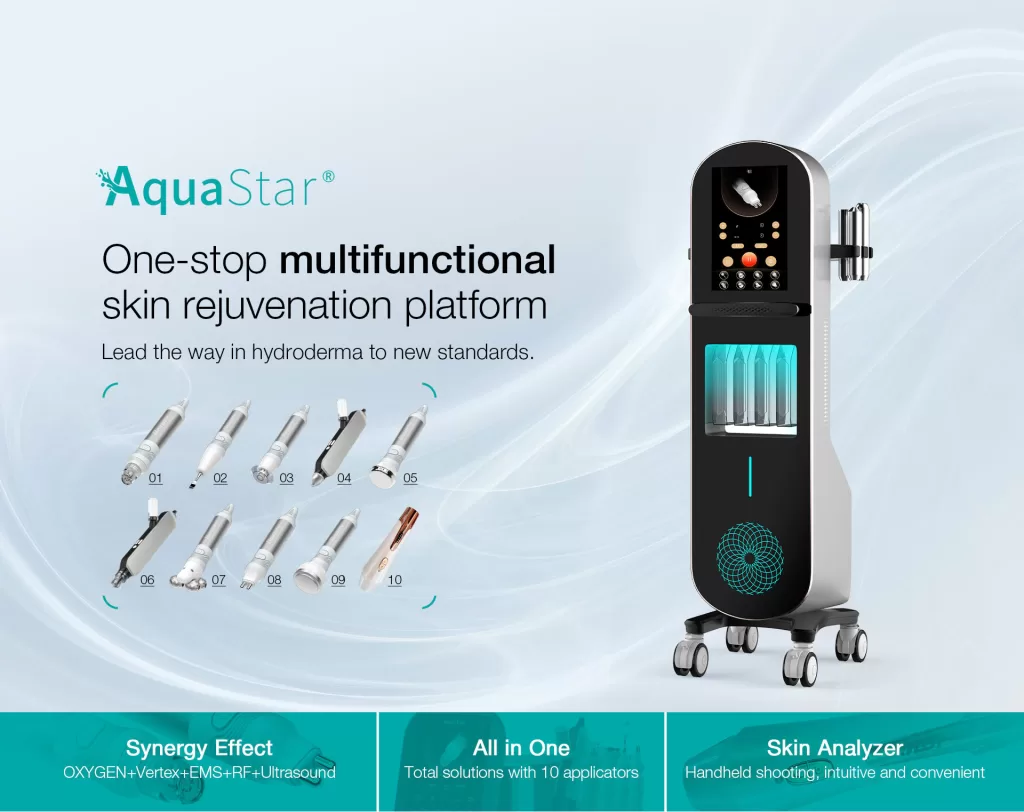
AquaStar® is not just a hydrafacial machine—it is a 10-in-1 multifunctional skin treatment platform.
By integrating Aqua Peel (hydra dermabrasion), RF, EMS, ultrasound, cold-heat therapy, oxygen jet, cleansing shovel, nano mesotherapy, and skin analysis into one system, AquaStar® allows clinics to deliver a wide range of facial treatments without purchasing multiple standalone devices.
From a cost perspective, this significantly reduces total equipment investment while increasing treatment versatility, making AquaStar especially suitable for clinics focused on long-term scalability and ROI.
Professional Technology Designed for Consistent Results and Skin Safety
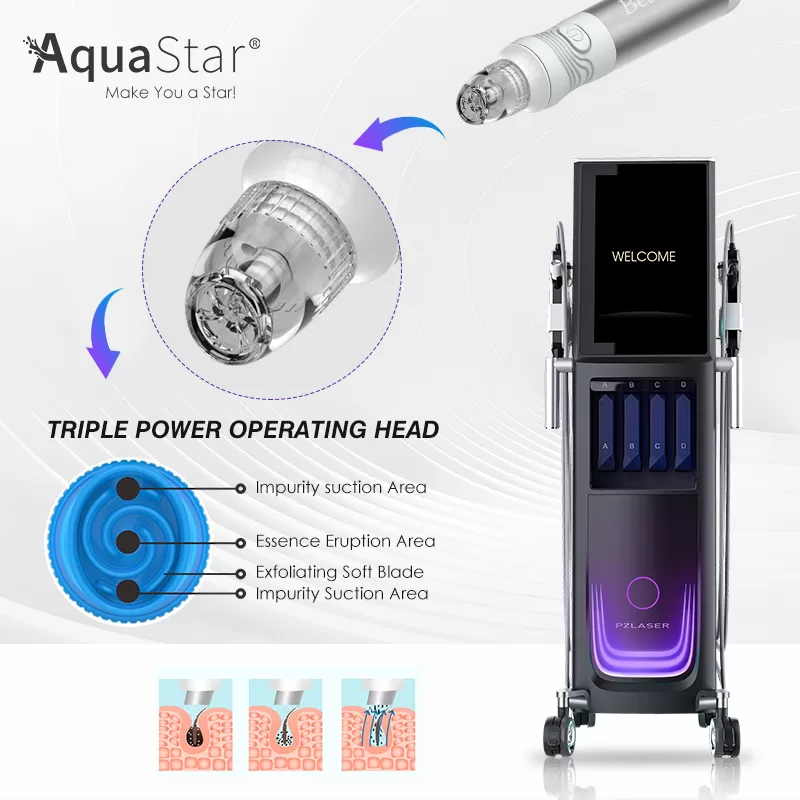
AquaStar® uses an advanced hydro-dermabrasion and vacuum control system to achieve deep pore cleansing, exfoliation, and serum infusion in a controlled and skin-friendly way.
These features allow AquaStar® to safely treat sensitive skin, acne-prone skin, dehydrated skin, and aging skin, which is critical for professional clinics that serve diverse client profiles.
Conclusion
Hydrafacial machine cost reflects more than a purchase price—it reflects technology depth, treatment safety, and long-term profitability.
Clinics that focus on value rather than price position themselves for sustainable growth. By choosing a versatile system like AquaStar®, clinics can deliver professional results while maintaining cost efficiency and scalability.