
Introduction
How do you feel about acne scars? What do they cause you? Anxiety? Low self-esteem? Distress? However, Acne may eventually clear up, but acne scars often persist for years, affecting skin texture, confidence, and overall appearance. So, for aesthetic clinics and medical spas, helping patients effectively get rid of acne scars is not just a cosmetic service, but a high-demand medical aesthetic solution, restoring confidence and delivering long-term clinical results.
With advances in aesthetic technology, acne scars are no longer considered permanent. From laser resurfacing to RF microneedling, modern professional treatments can target different scar types with precision. This article explores how to get rid of acne scars, what causes them, and how clinics can choose the most effective technologies to treat various scar types safely and profitably.
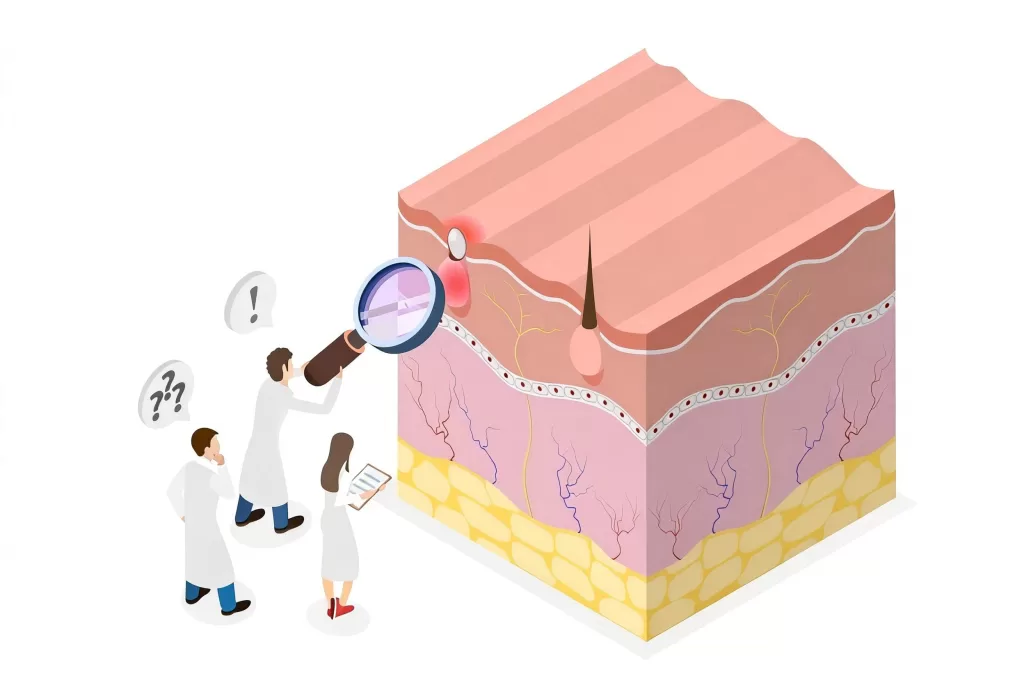
What Are Acne Scars?
Acne scars are permanent structural changes in the skin caused by inflammation and collagen damage during acne healing. But unlike post-acne marks (PIH or redness), acne scars involve damage to the dermis, where collagen and elastin are located.
When acne inflammation destroys surrounding tissue, the skin may produce too little or too much collagen during healing, resulting in depressed or raised scars. This structural damage is why acne scars cannot be fully corrected with topical skincare alone and typically require professional energy-based treatments.
Types of Acne Scars
Correct scar classification is essential for choosing the right treatment technology.
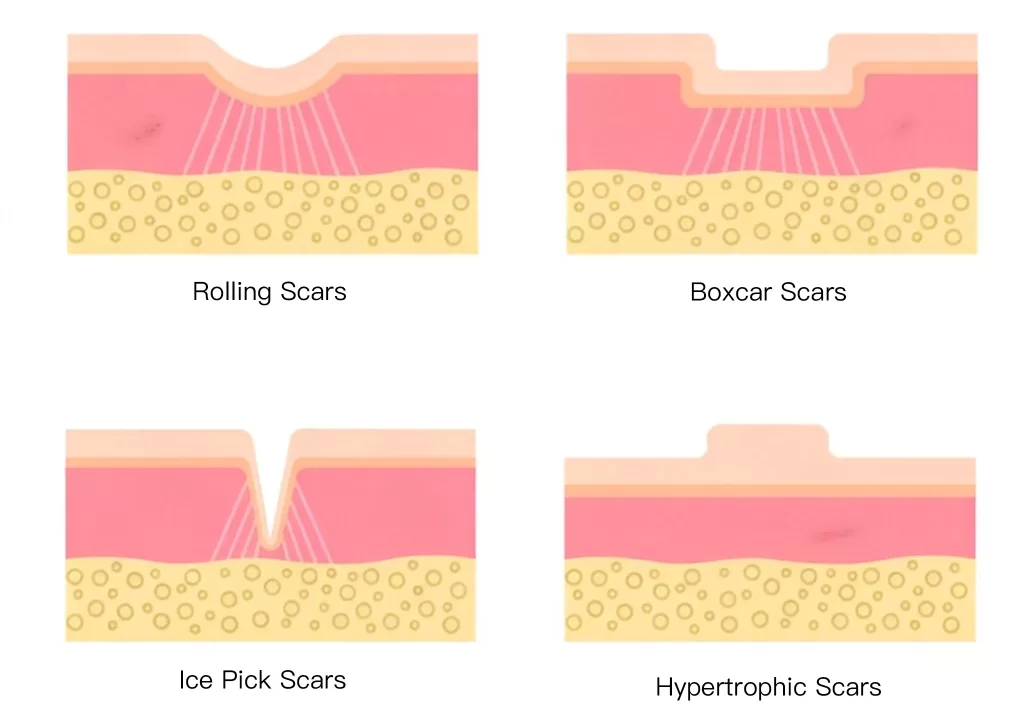
Atrophic Acne Scars (Most Common)
- Ice Pick Scars – Deep, narrow scars extending into the dermis
- Boxcar Scars – Wide, sharp-edged depressions
- Rolling Scars – Wave-like texture caused by fibrous bands
Hypertrophic & Keloid Scars
- Raised scars caused by excessive collagen production
- More Common on the jawline, chest, and shoulders
What Causes Acne Scars?
- Severe or cystic acne inflammation
- Delayed or improper acne treatment
- Picking or squeezing acne lesions
- Genetic predisposition
- Inadequate collagen regeneration
For clinics, this highlights the importance of early intervention and appropriate device selection to minimize long-term scarring.
Can Acne Scars Go Away Naturally?
In most cases, true acne scars do not disappear naturally.
Topical ingredients such as retinol, vitamin C, and chemical exfoliants may improve skin tone and texture on the surface, but they cannot repair serious dermal damage or stimulate sufficient collagen regeneration.
This is why professional treatments—especially laser systems and RF microneedling devices—are considered the gold standard for acne scar correction.
Professional Treatment for Acne Scars (By Scar Type)
| Acne Scar Type | Recommended Treatment | Technology Advantage | Downtime |
|---|---|---|---|
| Ice Pick Scars | Fractional CO2 Laser | Deep ablation & collagen remodeling | Medium |
| Boxcar Scars | Fractional Laser / RF Microneedling | Texture resurfacing | Medium |
| Rolling Scars | RF Microneedling + Subcision | Releases fibrotic bands | Low–Medium |
| Hypertrophic Scars | Non-ablative Laser / RF | Controlled energy, safer for thick scars | Low |
| Mixed Scars | Combination Therapy | Higher satisfaction & ROI | Flexible |
How to Choose the Right Device to Get Rid of Acne Scars?
For B-end buyers, selecting the right device directly impacts treatment outcomes and business performance.
Key factors clinics should evaluate:
- Adjustable energy levels and treatment depth
- Ability to treat multiple scar types
- Safety for different Fitzpatrick skin types
- FDA / CE certifications
- Minimal downtime and complication risk
Clinics equipped with both laser and RF technologies can offer customized protocols, improve client retention, and maximize return on investment.
Recommended PZLASER Professional Devices to Get Rid of Acne Scars
Fractional Laser Systems-Fractional Master™

Fractional Master™ CO2 technology creates controlled microthermal zones in the skin, stimulating collagen remodeling while preserving surrounding tissue. It is widely recognized as one of the most effective solutions for deep acne scars.
Best for: Ice pick scars, boxcar scars, severe texture damage
Clinical advantages:
- Precise depth control
- Strong collagen stimulation
- Proven results for deep scars
RF Microneedling Systems-RFM Star®
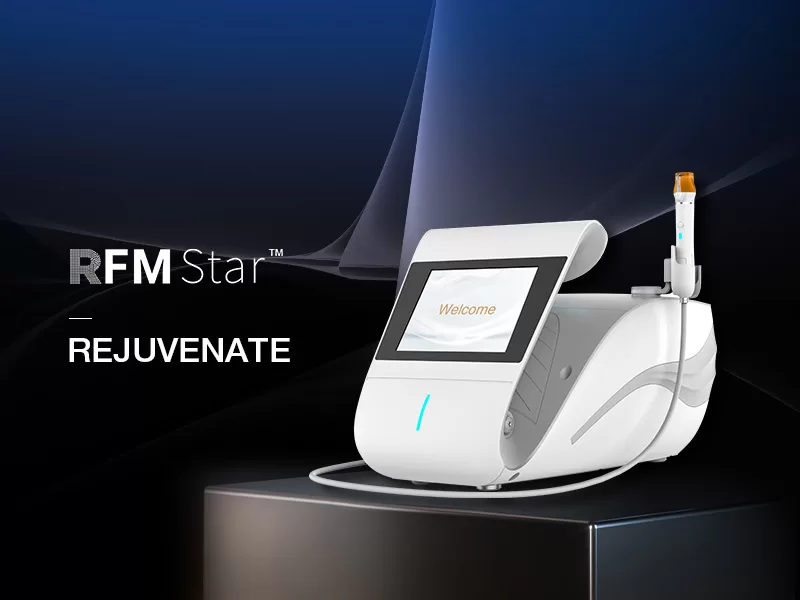
RF microneedling combines insulated microneedles with radiofrequency energy to deliver heat directly into the dermis, promoting collagen production with less surface damage.
Best for: Rolling scars, mixed scars, darker skin types
Clinical advantages:
- Minimal downtime
- Suitable for higher Fitzpatrick skin types
- Ideal for combination therapy
FAQs About Getting Rid of Acne Scars
Can acne scars be removed permanently?
Acne scars can be significantly improved with professional treatments, especially laser and RF-based combination therapies.
What is the best treatment for deep acne scars?
Fractional laser and RF microneedling are considered the most effective options.
Is laser acne scar removal safe for dark skin?
Yes, when advanced devices with adjustable parameters are used by trained professionals.
How many sessions are needed?
Most patients require 3–6 sessions, depending on scar severity and treatment method.
Conclusion
Acne scars are no longer a permanent concern when treated with the right technology. For clinics and medical aesthetic centers, combining fractional laser resurfacing and RF microneedling enables comprehensive treatment of all major acne scar types with predictable, long-lasting results.
Clearly, PZLASER's professional machines can help your business reach new heights.