
Introduction
In today’s fast-growing aesthetic industry, Pico laser and CO2 laser are two of the most popular technologies for professional clinics, salons, and medical spas. When evaluating options for pigmentation removal, acne scar treatment, or skin resurfacing, many clinic owners often ask, "Is Pico Laser better than CO2 laser?" Understanding the unique benefits, mechanisms, and ideal applications of both lasers is essential for making informed investment decisions.
Both lasers serve different purposes and complement each other rather than compete. According to DermNet NZ, laser technologies vary in pulse duration, energy delivery, and tissue interaction. This blog aims to provide a comprehensive overview of pico laser and CO2 laser, including treatment options, working principles, indications, and downtime, for clinics to reference.
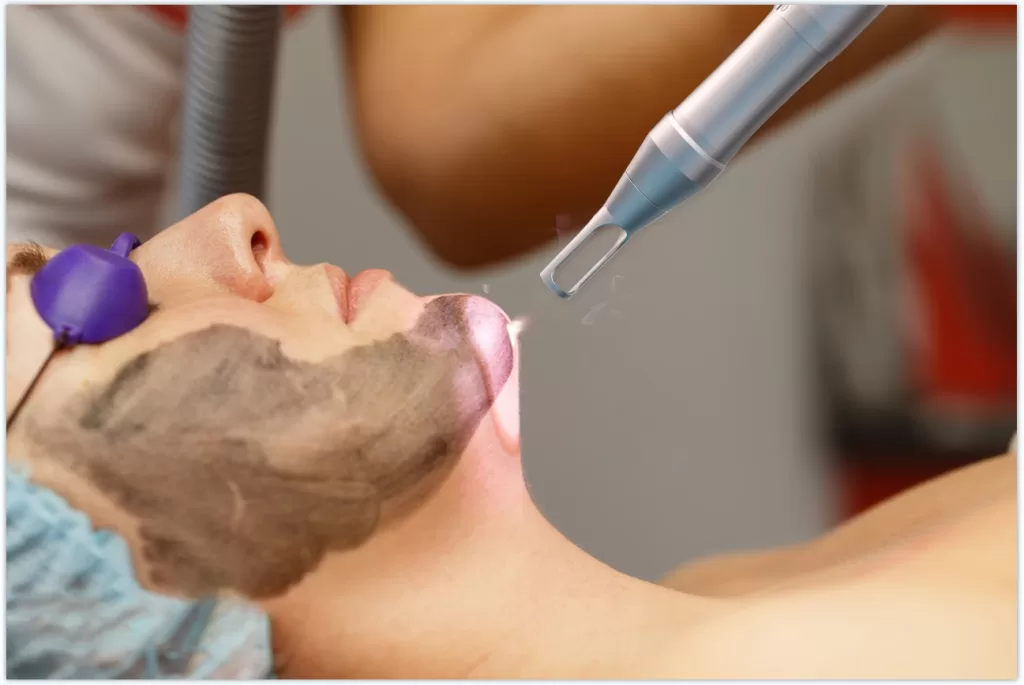
What Is Pico Laser and How Do It Work?
A pico laser delivers ultra-short pulses in picoseconds (one trillionth of a second), creating a photoacoustic effect that breaks pigment particles into tiny fragments. Unlike traditional lasers, which rely primarily on heat, pico lasers minimize thermal damage, making them safer for a wider range of skin types.
Modern pico lasers operate at multiple wavelengths:
- 1064 nm for deeper pigmentation and darker tattoos
- 755 nm for stubborn dermal pigment
- 532 nm for superficial lesions
Clinically, pico laser is commonly used for: Melasma, Freckles and sunspots, Age spots, Tattoo removal, Enlarged pores, and skin brightening, Early-stage textural irregularities. Because pico lasers do not ablate the skin, the treatment is minimally invasive, and downtime is significantly reduced.
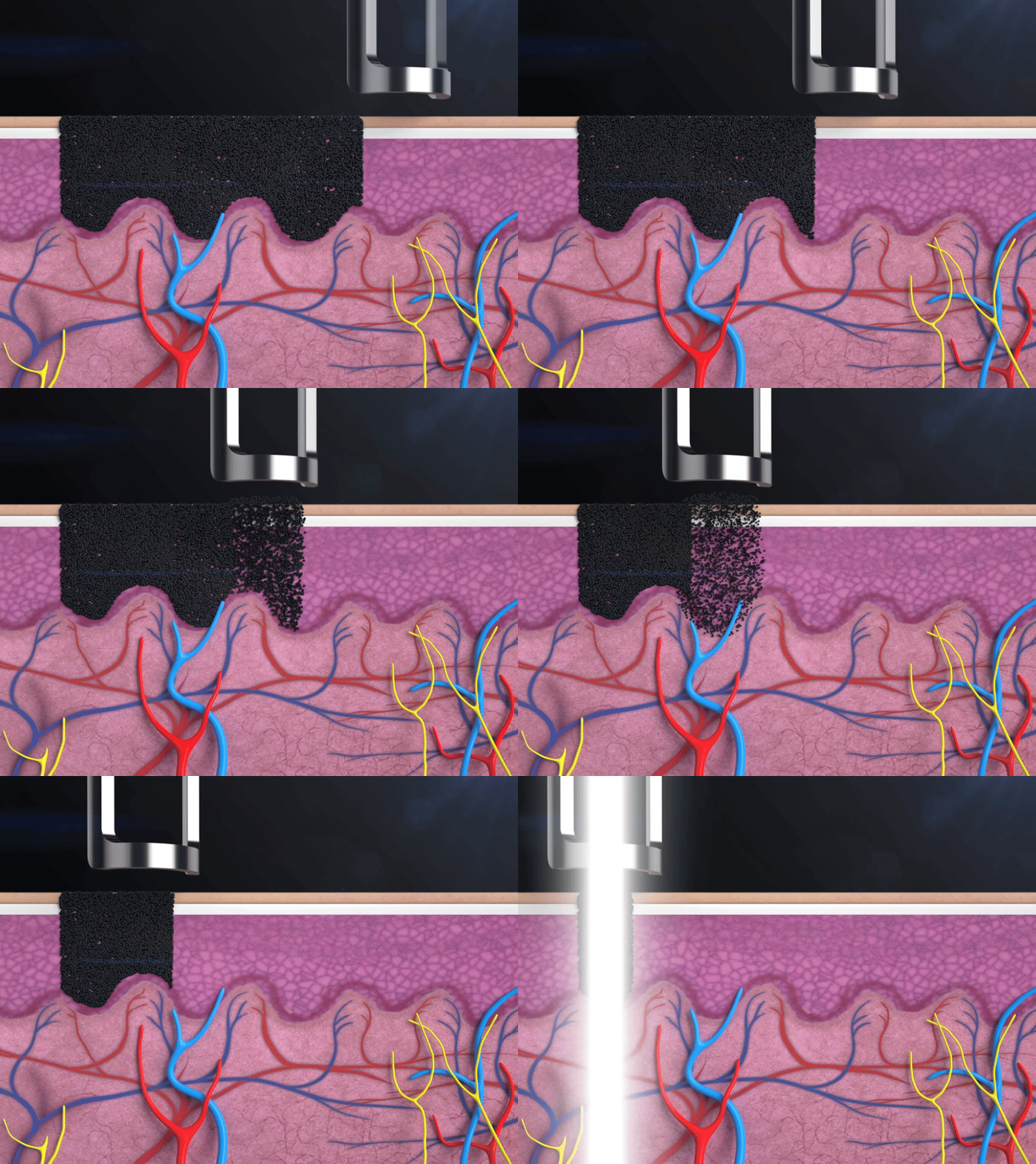
While pico lasers target pigment and superficial skin issues, CO2 lasers work at a deeper tissue level to address scars and wrinkles. Understanding both technologies helps clinics offer comprehensive treatment plans.
What Is a CO2 Laser and How Does It Work?
A CO2 laser emits light at 10,600 nm, an ablative wavelength absorbed by water in the skin. Fractional CO2 lasers deliver energy in microscopic columns, creating controlled injury zones that stimulate collagen remodeling and epidermal regeneration.
CO2 lasers are ideal for: Acne scars (ice pick, boxcar, rolling), Deep wrinkles, Surgical or traumatic scars, Skin tightening, Severe sun damage, and Overall skin texture improvement. Unlike pico lasers, CO2 lasers remove a thin layer of skin, which results in longer downtime but dramatically improved skin remodeling.
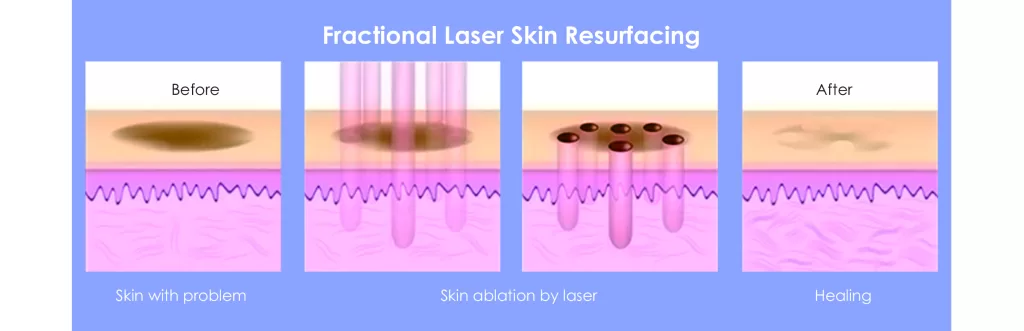
Now that we understand each technology individually, let’s compare their key differences to see how pico laser vs CO2 laser stacks up.
Pico Laser vs CO2 Laser: What Are the Key Differences?
Comparing pico laser vs CO2 laser reveals fundamental distinctions:
| Feature | Pico Laser | CO2 Laser |
|---|---|---|
| Energy Type | Photoacoustic | Photothermal |
| Ablation | No | Yes |
| Downtime | Minimal | Moderate to long |
| Best For | Pigmentation, tattoo removal, brightening | Scars, wrinkles, resurfacing |
| Safety for Dark Skin | High | Conditional |
| Treatment Depth | Epidermis to superficial dermis | Deep dermal remodeling |
While pico lasers are excellent for pigment-related issues, CO2 lasers excel at structural and textural corrections. The two technologies are complementary rather than interchangeable.
To decide which laser to invest in, clinics often look at treatment outcomes for specific concerns such as pigmentation or acne scars.
Pico Laser vs. CO2: Which Is Better for Pigmentation?
For pigmentation disorders such as melasma, freckles, and sunspots, the pico laser is typically preferred. Its ultra-short pulses break pigment into fine particles without overheating the skin, minimizing the risk of post-inflammatory hyperpigmentation (PIH).
CO2 lasers may improve pigmentation indirectly due to epidermal turnover, but they are not considered a first-line treatment for pigment issues. Clinics aiming to treat pigmentation with high efficacy and low downtime often prioritize pico lasers.
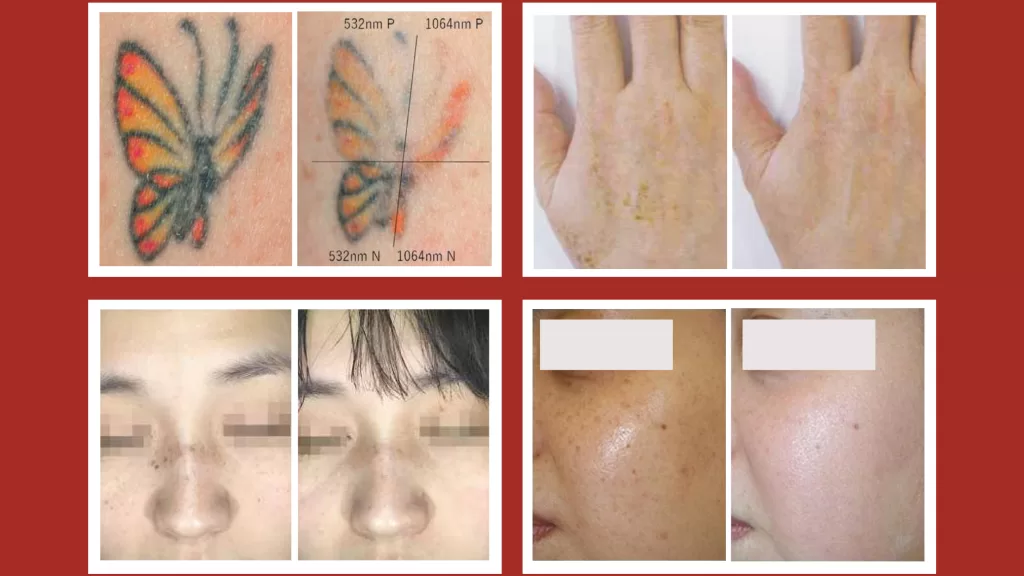
While pigmentation favors pico lasers, what about acne scars? Let’s examine how CO2 lasers outperform pico lasers in this area.
Pico Laser vs. CO2: Which Laser Is Better for Acne Scars?
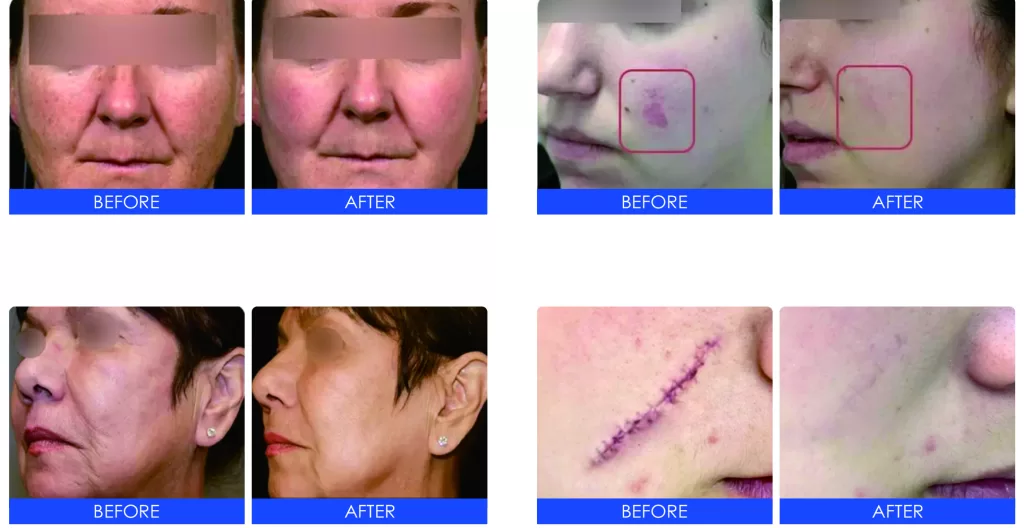
Acne scars require tissue remodeling, which is where CO2 lasers shine. Fractional CO2 creates controlled micro-injuries that stimulate collagen regeneration, effectively treating: Ice pick scars, Boxcar scars, Rolling scars, Deep atrophic scars.
Pico lasers can improve mild scarring but cannot replace CO2 lasers for significant textural repair. Many clinics now use combination therapies, applying pico lasers first for pigmentation and CO2 lasers for structural correction.
Downtime is another critical factor for clinic patients, so let’s compare recovery times for these lasers.
Treatment Downtime: Pico Laser vs CO2 Laser
Pico Laser Downtime:
- Redness for a few hours
- No visible wounds
- Immediate return to work possible
CO2 Laser Downtime:
- Redness and micro-crusting for 3–7 days
- Dryness may last 1–2 weeks
- Requires post-treatment care
Understanding downtime is essential for patient satisfaction and scheduling, particularly in professional clinics with high client turnover.
Pico Laser vs. CO2: Which Laser Gives Longer-Lasting Results?
- Pico lasers provide durable results for pigmentation and tattoo removal.
- CO2 lasers offer lasting improvements for skin texture, acne scars, and wrinkle reduction (12–18 months).
Each laser is optimal for its intended purpose, which reinforces the value of offering both technologies in professional clinics.
Cost is always a practical consideration for clinics deciding which device to invest in.
Cost Comparison: Pico Laser vs CO2 Laser
Pico Laser:
- Higher initial investment
- Minimal consumables
- Strong ROI due to high demand for pigmentation & tattoo services
CO2 Laser:
- Lower upfront cost
- Some models require consumables
- High profitability for resurfacing treatments
Investing in both can maximize revenue streams by offering a full spectrum of treatments. With cost and outcomes in mind, clinics often ask which laser they should invest in first.
Pico Laser vs. CO2: Which Laser Should a Professional Clinic Invest In?
The specific type of laser to choose can be determined based on the clinic's client profile.
- Choose pico laser for pigmentation, tattoo removal, brightening, and minimal downtime treatments.
- Choose CO2 laser for acne scars, wrinkles, resurfacing, and tightening.
- Many advanced clinics invest in both to provide a complete portfolio and increase patient retention.
But can one technology replace the other entirely?
Can Pico Laser Replace CO2 Laser?
The answer is no. Each technology serves distinct purposes:
- Pico: pigment, superficial rejuvenation
- CO2: structural correction, collagen remodeling
Offering both lasers allows clinics to meet nearly all patient aesthetic needs. This approach is increasingly popular in clinics across Europe and the US.
Introducing PZLASER's Pico Laser System: PicoIris®
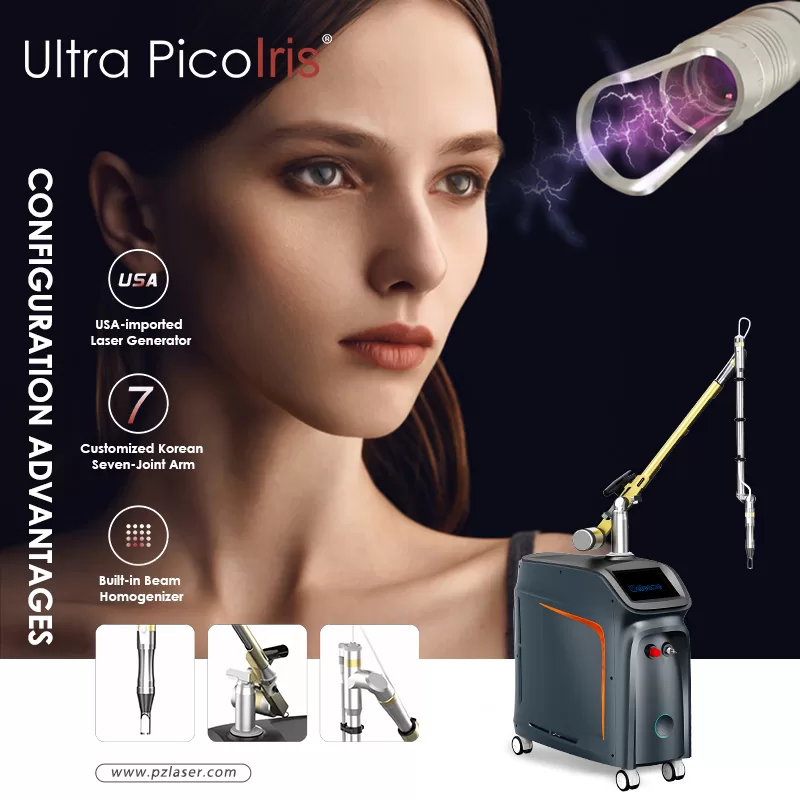
The PZLASER PicoIris® provides:
- True picosecond pulses
- Multiple wavelengths (1064/532/755 nm)
- Stable high-energy output
- Safe for all skin types
- Low maintenance, high ROI
Ideal for pigmentation, tattoos, pores, and tone improvement.
Introducing PZLASER's CO2 Laser System: CO2 Fractional
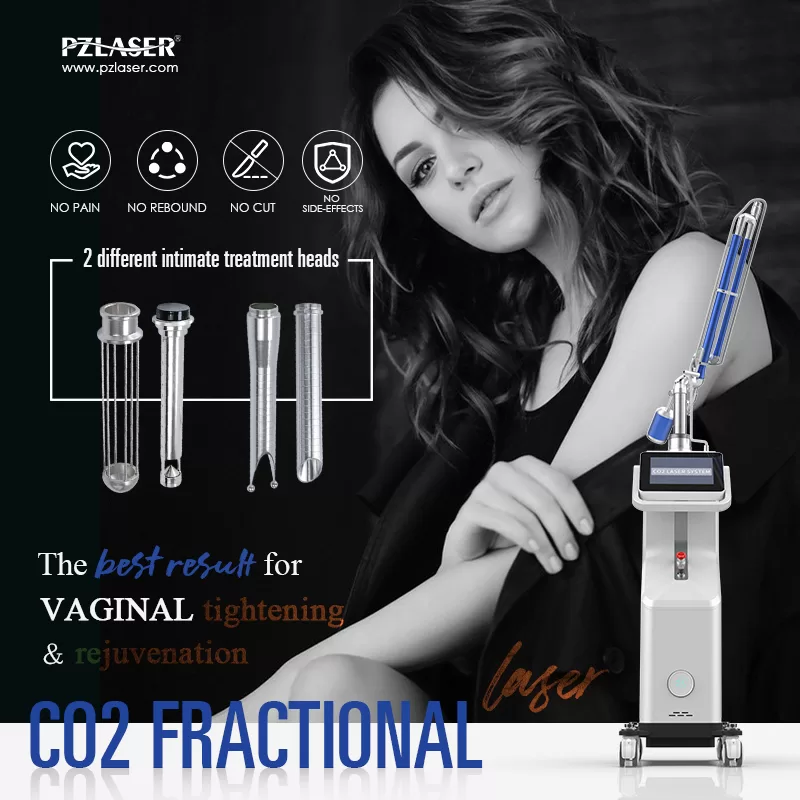
The PZLASER CO2 Fractional offers:
- Fractional and surgical modes
- Adjustable depth and density
- Superior collagen regeneration
- Low downtime with advanced technology
Perfect for acne scars, wrinkles, and skin resurfacing.
Final Verdict: Is Pico Laser Better Than CO2 Laser?
There is no single “better” choice. Each laser excels in its field:
- Pico laser: pigmentation, tattoos, non-ablative rejuvenation
- CO2 laser: scars, wrinkles, deep resurfacing
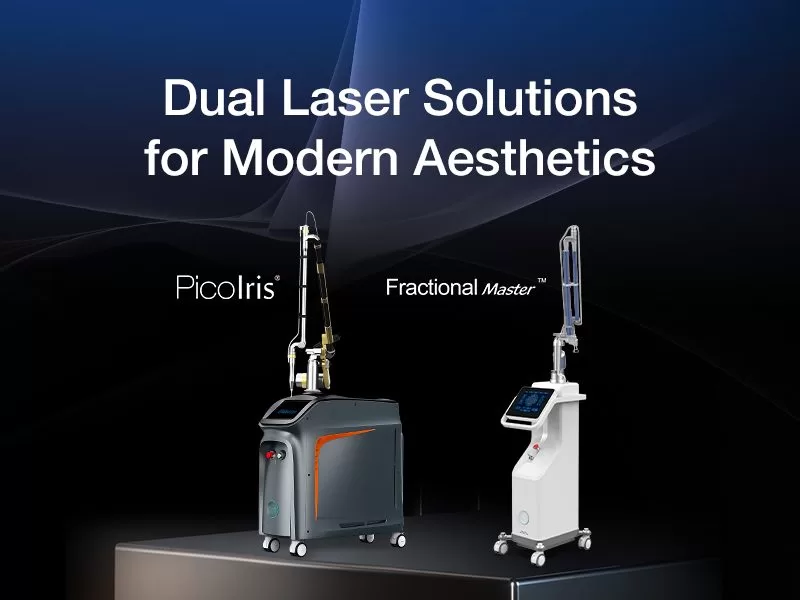
Clinics offering both technologies achieve maximum patient coverage and revenue. PZLASER provides advanced, clinic-grade solutions with PicoIris and Fractional Master to meet modern clinic demands.
Conclusion
In conclusion, the decision is not about choosing pico laser over CO2 laser, but rather understanding their complementary strengths. For professional clinics aiming to offer comprehensive aesthetic solutions, investing in both PZLASER PicoIris and Fractional Master systems ensures:
- Optimal treatment outcomes
- Minimal downtime for patients
- Versatility across multiple indications
- Long-term profitability
Offering both devices allows your clinic to stand out as a full-service, modern aesthetic provider.