
Introduction
In today’s beauty and aesthetics landscape, the debate over med spa laser hair removal vs. at-home laser hair removal has never been more relevant. As both consumers and business owners face increasingly sophisticated options, understanding the true differences between professional-grade systems and consumer devices becomes essential. For clients, the right choice affects safety, comfort, long-term results, and skin health. For spa, salon, and clinic owners, the choice directly influences business positioning, revenue potential, and return on investment.
In this article, we will explore the real differences between med spa laser hair removal vs at-home laser, covering technology, safety, results, costs, and how professional systems like PZLASER’s EosICE series are transforming clinical hair removal services.
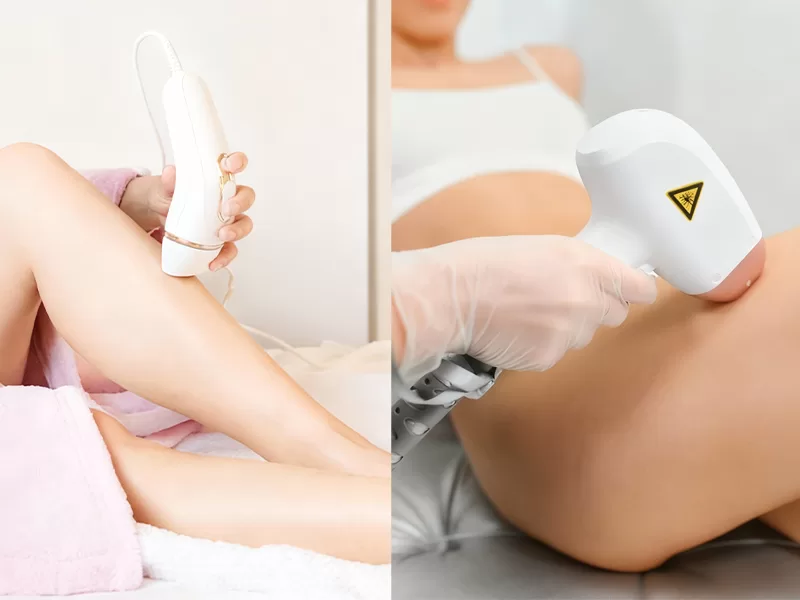
Technology Behind– Power, Wavelengths, and System Design
One of the most fundamental distinctions in the med spa laser hair removal vs at-home laser conversation lies in the underlying technology and power delivery. The differences in how these devices operate directly affect safety, efficacy, and long-term outcomes.
Professional Laser Systems: High Power, Precision, and Clinical Control
Professional-grade laser systems used in med spas and clinics employ medically certified technologies such as diode, Nd: YAG, and Alexandrite lasers. These devices deliver high fluence — that is, a high energy density (measured in joules per square centimeter) — enabling them to reach deep into the hair follicle and disable it effectively.
- Wavelength variety: Clinical lasers typically offer specific wavelengths suited for different skin and hair types — for example, 755 nm for Alexandrite, 808 nm for Diode, and 1064 nm for Nd: YAG. These wavelengths provide targeted absorption of melanin in the hair, minimizing damage to surrounding tissue.
- Pulse control: Professional systems allow for variable pulse durations, enabling practitioners to tailor the treatment to each client's hair thickness and skin sensitivity.
- Cooling mechanisms: To protect skin during powerful pulses, med spa lasers often incorporate advanced cooling systems — contact cooling, cryogen sprays, or air chilling — ensuring patient comfort and reducing the risk of burns.
- Safety redundancy: Clinical devices come with built-in safety mechanisms such as real-time skin impedance measurement, energy cut-off, and calibrated pulse monitoring.
Because of this sophistication, med spa laser hair removal delivers a powerful, consistent, and adjustable treatment experience tailored to each patient’s skin type—an advantage that at-home devices struggle to match.
At-Home Laser and IPL Devices: Accessibility Over Power
By contrast, at-home devices — whether they call themselves “laser” or use IPL (Intense Pulsed Light) technology — operate at significantly lower energy levels.
- Lower fluence: Manufacturers limit the device's energy to prevent burns or adverse reactions in untrained users. While this improves safety, it simultaneously reduces the ability to destruct hair follicles deeply.
- Broad-spectrum light: Many at-home units are IPL-based, meaning they emit a broad band of wavelengths rather than a narrow laser wavelength. This broad spectrum is less precise, making effective follicle targeting more difficult.
- Fixed pulse durations: Most consumer devices offer limited or fixed pulse settings, preventing highly personalized treatments that a professional could tailor for optimal results.
- Minimal cooling: Cooling systems on at-home devices are often basic (passive heat sinks, vents) and insufficient for very high energy output, which is why their power is kept low.
Therefore, when evaluating med spa laser hair removal vs at-home laser, the disparity in power and precision often translates into markedly different outcomes — with professional systems delivering more reliable, lasting hair reduction.
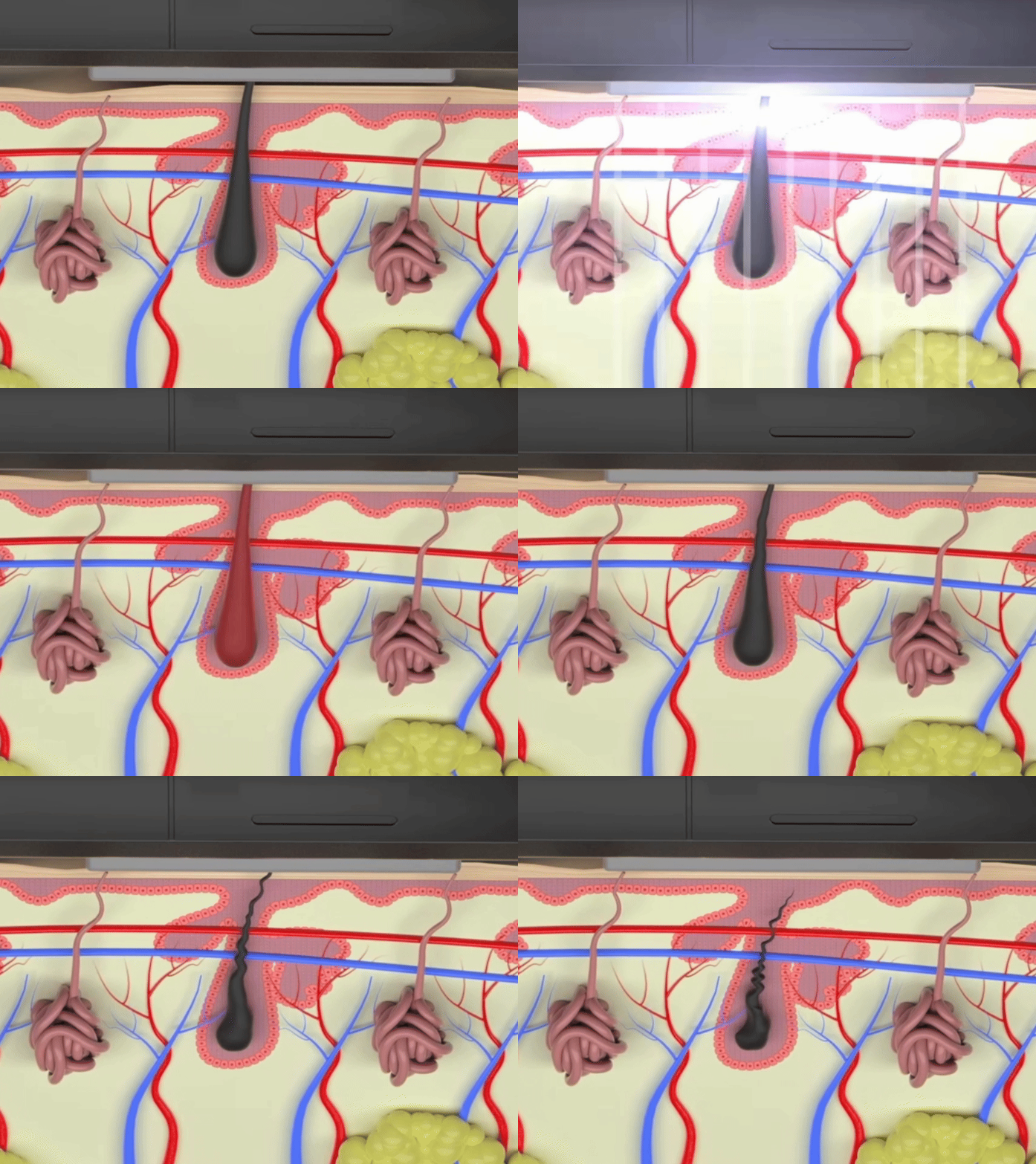
Safety Considerations– Clinical Supervision vs Self-Use
Safety is a major factor when comparing med spa laser hair removal vs at-home laser. The treatment environment, operator expertise, and device safeguards greatly affect the risk profile.
The Safety Advantage of Med Spa Treatment
In a clinical environment:
- Trained and licensed professionals evaluate skin type, hair color, and contraindications before each session.
- Real-time clinical decision-making allows technicians to adjust pulse energies, repeat parameters, or change wavelength settings depending on how the skin responds.
- Advanced cooling technologies help protect the epidermis during treatment, significantly reducing the risk of burns or skin damage.
- Post-treatment protocols — including calming gels, sunscreen advice, and monitored aftercare — help prevent complications like hyperpigmentation or blistering.
- Systems often come with regulatory certification (CE, ISO, FDA) and are maintained, calibrated, and tested regularly by the manufacturer or clinic.
These safeguards mean that med spa laser hair removal generally yields a higher margin of safety than self-treatment without professional oversight.
Challenges of At-Home Laser Use
Using a home device carries its own safety challenges:
- Incorrect energy setting or misuse can lead to burns, particularly on sensitive or darker skin.
- Without a professional skin assessment, users may use the device unsuited for their skin tone, risking pigmentation changes.
- Lack of sophisticated skin-cooling systems in many home devices increases discomfort and limits how high the power can safely go.
- Users may not follow proper aftercare, increasing the risk of irritation, redness, or scabbing.
Because of these potential hazards, med spa laser hair removal often emerges as the safer bet for individuals prioritizing long-term results and skin health.
Skin Type & Hair Color Compatibility: Who Benefits Most
Choosing between med spa laser hair removal vs at-home laser also depends heavily on skin and hair characteristics. Not all devices are equally effective on every skin tone or hair color.
Professional Systems and Broad Skin Compatibility
Med spa lasers typically accommodate a wide range of skin types and hair colors. Skilled practitioners can customize treatment parameters based on individual needs:
- Nd:YAG lasers (1064 nm) are especially effective for darker or tan skin types since the longer wavelength penetrates deeper with less risk of epidermal pigmentation absorption.
- Diode lasers (~810 nm) work well for medium to light skin tones and provide strong follicle targeting.
- Alexandrite lasers (755 nm) suit hairs with high melanin content (dark hair), but are less commonly used on very dark skin due to surface melanin absorption.
Because professional devices offer variable pulse duration, spot sizes, and cooling, practitioners can safely and effectively treat clients who might be poor candidates for home devices. Clinical providers often follow assessment protocols recommended by bodies like the American Academy of Dermatology to ensure appropriate usage.
Limitations of At-Home Devices
Most at-home devices are designed to target a narrower range of users:
- They typically work best on light to medium skin
- They perform optimally on dark hair, since melanin is needed to absorb light; very light, gray, or red hair often resists treatment
- They may struggle to treat coarse or dense hair compared to the output a professional system provides
As a result, someone with deep skin tones or challenging hair color may achieve significantly better results in a med spa environment rather than relying on a home device. When comparing med spa laser hair removal vs at-home laser, clinics often win on inclusivity and effectiveness.

Cost Comparison: Who is worth it?
Cost is a central consideration in the med spa laser hair removal vs at-home laser equation — and understanding both sides reveals different value propositions.
At-Home Device Costs: Upfront Simplicity, Long-Term Ambiguity
For home users, cost largely involves:
- One-time purchase: Users pay once for the device. Prices vary widely depending on brand and power.
- Replaceable parts: Some devices use cartridges or lamp heads that need periodic replacement.
- Limited lifespan: Consumer devices can degrade in performance over time, potentially reducing effectiveness.
- Maintenance: Users may need to clean and store devices appropriately, but maintenance is generally minimal.
The appeal of at-home devices lies in their lower entry cost and the convenience of paying once. However, because their efficacy may be limited, users often need longer-term maintenance, which can erode the initial savings.
Med Spa / Clinic Cost Model: Recurring Revenue and High Return
From a clinic or spa perspective, professional laser systems present a different financial opportunity:
- Clinics charge per session, with clients typically purchasing packages (e.g., 6–8 treatments)
- Clients return for periodic maintenance or “touch-up” sessions
- High throughput and repeat business create a steady revenue stream
- Equipment costs (capital expenditure) are justified by longevity and frequent use
- Professional-grade lasers tend to have longer lifespans and lower per-treatment energy costs
When assessing med spa laser hair removal vs at home laser, spa owners often find that the clinic model not only offers superior treatment outcomes, but also strong margins and recurring cash flow. Moreover, clients are frequently willing to pay a premium for professional services.
Treatment Frequency: One-Time vs Long-Term Result
Another essential aspect of med spa laser hair removal vs at home laser is how often treatments are required.
In a med spa or clinic setting, experienced practitioners follow scientifically validated protocols. A typical plan might include:
- 6–8 initial sessions, spaced 4–8 weeks apart, depending on the area treated
- Periodic maintenance or “touch-up” sessions, usually once or twice a year, depending on hair regrowth
- Monitoring of results with skin assessments, photographs, and energy adjustments over time
Because professional devices deliver high fluence and deep penetration, they effectively disable many follicles, minimizing hair regrowth. This translates into fewer sessions over time, compared to less powerful home devices.
With at-home devices, the model tends to favor frequent, ongoing usage:
- Many users apply treatment weekly or biweekly
- Continuous usage is often required to maintain results, since follicle destruction is weaker
- There is no formal follow-up or energy readjustment by qualified technicians
In comparing med spa laser hair removal vs at-home laser, the clinical model offers more efficient scheduling, better results per session, and reduced long-term burden. For spa owners, that efficiency means lower total time per client and greater profitability. For users, it means less hassle and more reliable results.
Why does laser hair removal require multiple treatments?
Comfort and Treatment Experience
When clients weigh med spa laser hair removal vs at home laser, comfort and overall experience play a pivotal role.
Med spas and clinics invest in patient comfort:
- Advanced cooling systems (contact cooling, cryogen spray, or chilled air) reduce the sensation during pulses
- Technicians can use lower fluence when treating sensitive areas and adjust settings in real time
- Professional environments often provide soothing pre- and post-treatment care, like numbing creams, post-laser gels, or calming lotions
- The controlled clinic environment — clean, quiet, medically supervised — enhances trust and reduces anxiety
This level of comfort helps patients feel more relaxed, improves compliance, and reduces the risk of adverse reactions.
Although at-home laser devices are designed for consumer use, comfort is more limited:
- Cooling is often passive or minimal, making heat or mild discomfort more noticeable
- Users may experience “zapping” or a warm prickly feeling, depending on the device
- There is no trained technician to adjust settings in response to pain or discomfort, which may discourage continued proper use
- Some users skip essential care steps (like applying soothing products), increasing the risk of irritation
From the perspective of experience, med spa laser hair removal vs at home laser strongly favors the professional route, especially for clients who prioritize comfort and safety.
Frequently Asked Questions about Hair Removal
Is professional med spa laser hair removal really more effective than at-home devices?
Yes — because professional systems deliver higher energy, deeper penetration, and customizable parameters, they typically achieve more permanent reduction than consumer devices.
Is at-home laser hair removal safe?
Yes, most FDA-cleared home devices are safe when used as directed, but results are slower and less powerful than professional treatments.
Can at-home laser devices treat all skin tones as safely as a med spa can?
Not always — home devices often have limited energy and fewer wavelength options, making them less safe or less effective on darker or more pigmented skin compared to professional systems.
Is it less painful to use a home laser device or to go to a med spa?
Generally, med spa treatments are more comfortable because professional devices (like EosICE) have advanced cooling, and trained technicians can adjust settings in real time. In contrast, home devices have more limited cooling and no supervision.
PZLASER's Strategic Advantage for Professional Clinics and Spas
When exploring med spa laser hair removal vs at-home laser, professional solutions like PZLASER’s EosICE®series stand out as clinic-focused platforms engineered for performance, safety, and profitability.
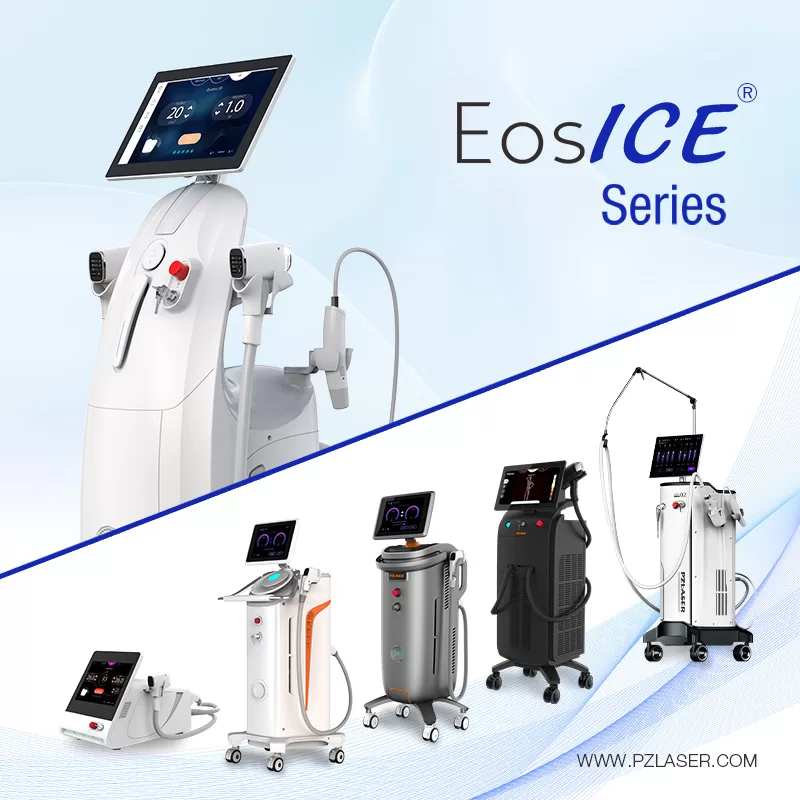
High Power Performance
The system delivers extremely high peak power and supports high repetition rates, enabling faster treatment sessions and higher daily client volumes.
Multi-Wavelength Technology
The EosICE series integrates 755nm, 808nm, 940nm, and 1064nm wavelengths in one platform, allowing practitioners to safely treat a wider range of skin tones and hair textures.
Advanced Cooling Technology
Professional-grade cooling combines TEC cooling, air cooling, water circulation, and heat dissipation for maximum comfort and skin protection during treatments.
Flexible Treatment Tips
Magnetic, interchangeable handpieces allow easy switching between different spot sizes for:
- Large body areas
- Facial zones
- Delicate and hard-to-reach areas
Smart Clinical Interface
An intelligent touch-screen system offers pre-set and expert modes to help operators select optimal settings quickly and safely.
Business Model Support for Clinics
Beyond the equipment, PZLASER supports med spas and clinics with:
- Clinical training and operation guidance
- Marketing and branding materials to help salons position themselves as professional and high-quality
- Maintenance programs and parts support to minimize downtime
- Scalability so that as the client base grows, clinics can expand treatments without switching vendors
By choosing PZLASER, business owners effectively side with the strength of professional technology in the med spa laser hair removal vs at home laser competition — gaining a partner, not just a device.
Conclusion
Choosing between med spa laser hair removal vs at home laser depends on goals, expectations, and long-term value. At-home devices offer convenience and lower upfront costs, but professional treatments deliver superior power, safety oversight, and longer-lasting results.
For spa and clinic owners, professional systems like PZLASER’s EosICE®series represent a scalable, future-proof investment that improves both client satisfaction and business profitability.
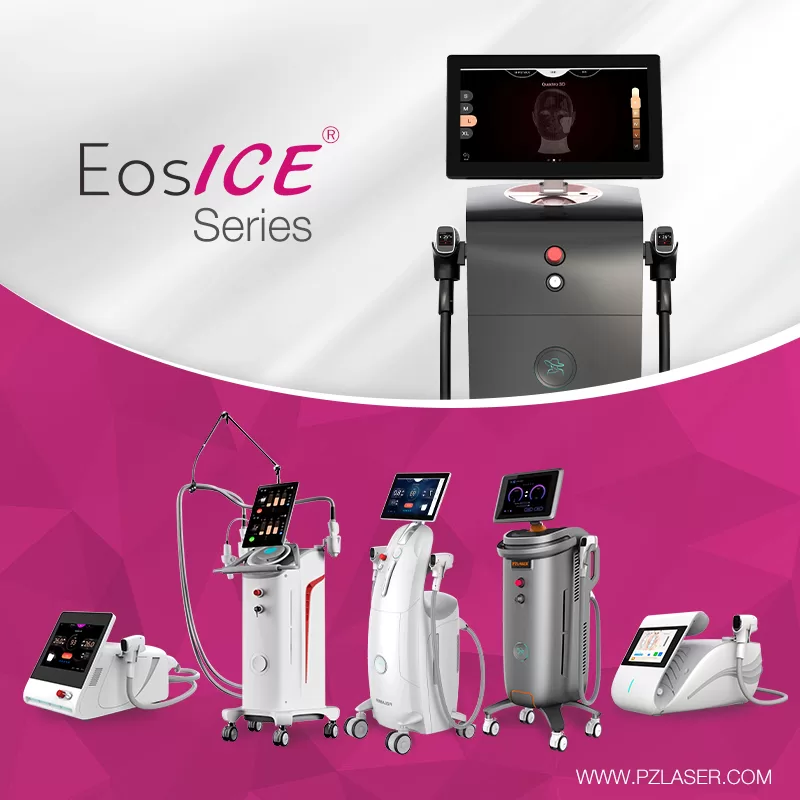
For consumers, professional treatment remains the gold standard for effective, safe, and lasting hair reduction. As technology evolves, the gap between clinic-grade systems and home devices continues to widen, making professional solutions the preferred option for serious results.