
Multi-Color Tattoo Removal Laser refers to advanced laser systems designed to remove tattoos containing multiple pigment colors by using different wavelengths to selectively target various ink particles. Unlike single-wavelength devices that primarily treat black ink, multi-color tattoo removal lasers typically combine wavelengths such as 1064nm, 532nm, and 755nm with picosecond pulse technology to improve pigment fragmentation, reduce treatment sessions, and enhance clearance of resistant colors like green and blue. These systems are widely used in dermatology clinics, medical spas, and aesthetic centers to achieve safer, more efficient, and commercially viable tattoo removal treatments.
Introduction
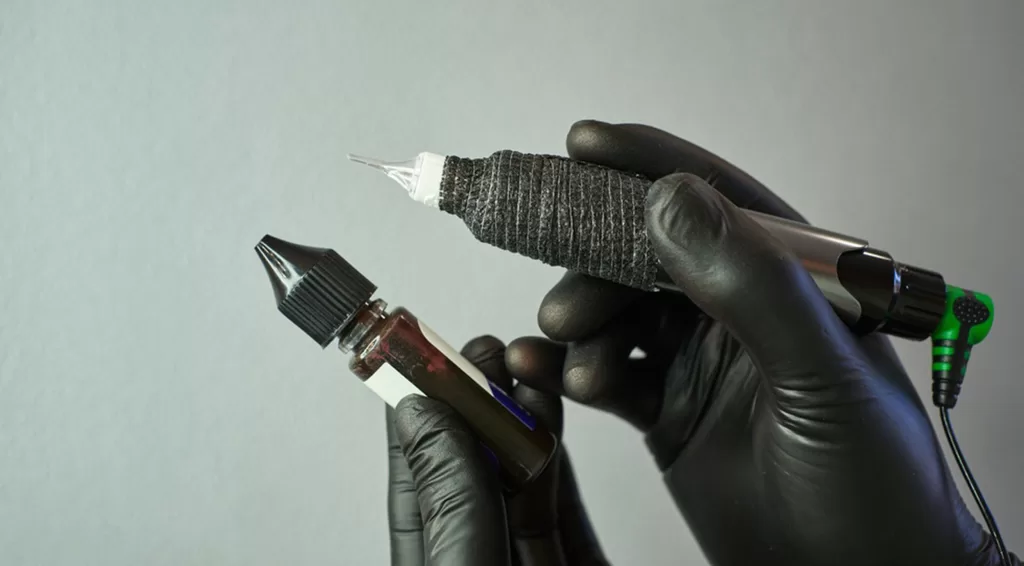
Tattoo removal has evolved from a niche service into a core revenue stream for modern aesthetic clinics. However, as tattoo styles shift from simple black ink to complex, layered, multi-color designs, traditional laser systems are no longer sufficient. Clinics today face a new challenge: how to safely and effectively remove tattoos containing multiple pigment colors with different optical properties.
This is where Multi-Color Tattoo Removal Laser technology becomes essential. For clinic owners and aesthetic business investors, choosing the right system is no longer just a technical decision — it is a strategic one that affects treatment results, reputation, and long-term profitability.
Why Multi-Color Tattoo Removal Is a Rapidly Growing Market?
Over the past decade, tattoo culture has changed dramatically:
- More people are getting large, colorful tattoos
- Fashion trends change, increasing tattoo regret
- Clients now expect complete removal, not just fading
- Social and professional pressures drive demand for removal
Unlike the past, today’s clients are not just removing small black symbols — they are removing:
- full-sleeve tattoos
- cosmetic tattoos
- multicolored artistic pieces
- cover-up tattoos with dense pigment layers
As a result, clinics increasingly need Multi-Color Tattoo Removal Laser platforms capable of handling a wide pigment spectrum.

Why Multi-Color Tattoos Are Much Harder to Remove Than Black Ink?
Many business owners assume tattoo removal is simply about “stronger energy.” In reality, it is about wavelength matching.
Tattoo Ink Is Not One Substance. Tattoo pigments vary in chemical composition, particle size, and light absorption behavior.
| Tattoo Color | Typical Absorption Wavelength | Removal Difficulty |
|---|---|---|
| Black | 1064 nm | Easy |
| Red / Orange | 532 nm | Moderate |
| Blue | 694–755 nm | Difficult |
| Green | 755 nm | Very difficult |
| Yellow | Weak absorption | Extremely difficult |
No single-wavelength laser can effectively remove all tattoo colors. Clinics relying on only one wavelength system often face incomplete removal, pigment residue, color shifting, and increased treatment sessions. This directly impacts client satisfaction and clinic reputation.
The Science Behind Multi-Color Tattoo Removal Laser Systems
Selective Photothermolysis
Laser tattoo removal works through selective photothermolysis — targeting pigment particles while minimizing damage to surrounding skin.
However, selectivity depends on:
- correct wavelength
- appropriate pulse duration
- sufficient peak power
Why Wavelength Is More Important Than Power?
Stronger energy does not compensate for a mismatched wavelength. If the pigment does not absorb that wavelength efficiently, most energy converts to heat in the skin instead of fragmenting ink.
Why Picosecond Pulse Duration Matters?
Picosecond lasers deliver ultra-short pulses that create a photoacoustic effect, shattering ink particles into smaller fragments that the body can clear more easily.
This is why advanced Multi-Color Tattoo Removal Laser systems increasingly combine multiple wavelengths + picosecond technology.

Why Clinics Need a Multi-Color Tattoo Removal Laser Instead of a Single-Wavelength Device?
From a business perspective, equipment limitations directly limit revenue.
| Limitation of Basic Systems | Business Impact |
|---|---|
| Only treats black ink | Lost clients with colored tattoos |
| Ineffective on green/blue | Incomplete results, complaints |
| More sessions required | Lower client satisfaction |
| Higher risk of side effects | Reputation damage |
| Long treatment timelines | Lower patient turnover |
A true Multi-Color Tattoo Removal Laser:
- expands treatment scope
- increases pricing power
- improves success rates
- strengthens clinic competitiveness
Key Features Clinics Should Look for in a Multi-Color Tattoo Removal Laser
Before investing, clinic owners should evaluate:
- Multiple wavelengths (1064 nm, 532 nm, 755 nm or equivalent)
- Picosecond pulse duration
- Stable energy output
- Multiple spot sizes
- Skin safety design
- Low maintenance and consumable costs
- High repetition rate for efficiency
- Clinical versatility (tattoo + pigmentation)
Types of Tattoo Removal Technologies on the Market
| Technology Type | Strengths | Limitations |
|---|---|---|
| Often a single wavelength | Affordable | Limited color coverage |
| Nanosecond Alexandrite | Better for blue/green | Slower clearance |
| Basic Picosecond | Improved fragmentation | Often single wavelength |
| Multi-Wavelength Picosecond | Full-spectrum removal | Premium systems |
High-end clinics are increasingly shifting toward multi-wavelength picosecond platforms as a long-term solution.
Leading Approaches in Multi-Color Tattoo Removal Laser Systems
| Brand / System | Laser Technology | Wavelength Coverage | Pulse Mode / Duration |
|---|---|---|---|
| Cynosure PicoSure | Picosecond laser | 755 nm (primarily) | Ultra-short picosecond pulses |
| Candela PicoWay | Picosecond laser | 532 nm, 785 nm, 1064 nm | Ultra-short picosecond pulses |
| Cutera Enlighten | Dual-pulse (picosecond + nanosecond) | 532 nm, 1064 nm (with additional options in some models) | Picosecond + nanosecond pulses |
| Astanza Trinity | Multi-wavelength system | 1064 nm, 532 nm, 694 nm | Picosecond-capable |
| PZLASER PicoIris | Multi-wavelength picosecond laser | 1064 nm, 755 nm, 532 nm (+ optional extended wavelengths) | Ultra-short picosecond pulses |
For clinics prioritizing technical performance + business scalability, systems with strong engineering foundations often provide better long-term value.
PZLASER PicoIris Stands Out in Multi-Color Tattoo Removal
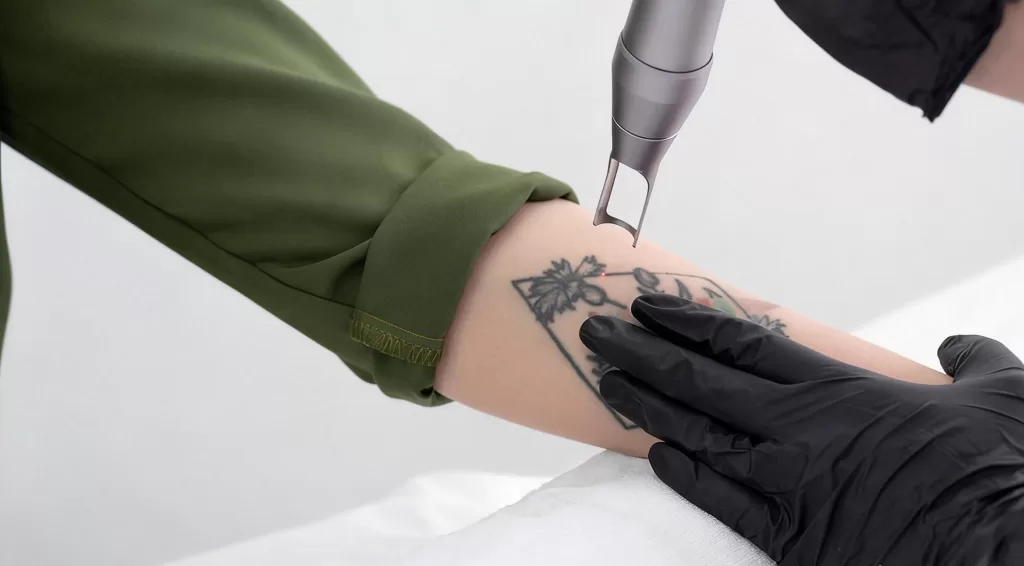
Among the multi-wavelength picosecond systems available today, PZLASER PicoIris is engineered specifically to address the clinical and business challenges associated with modern multi-color tattoos. While many platforms focus on either pulse duration or branding, PicoIris emphasizes wavelength coverage, energy stability, and high-volume clinical usability, making it particularly suitable for aesthetic clinics seeking both performance and scalability.
True Multi-Wavelength Capability
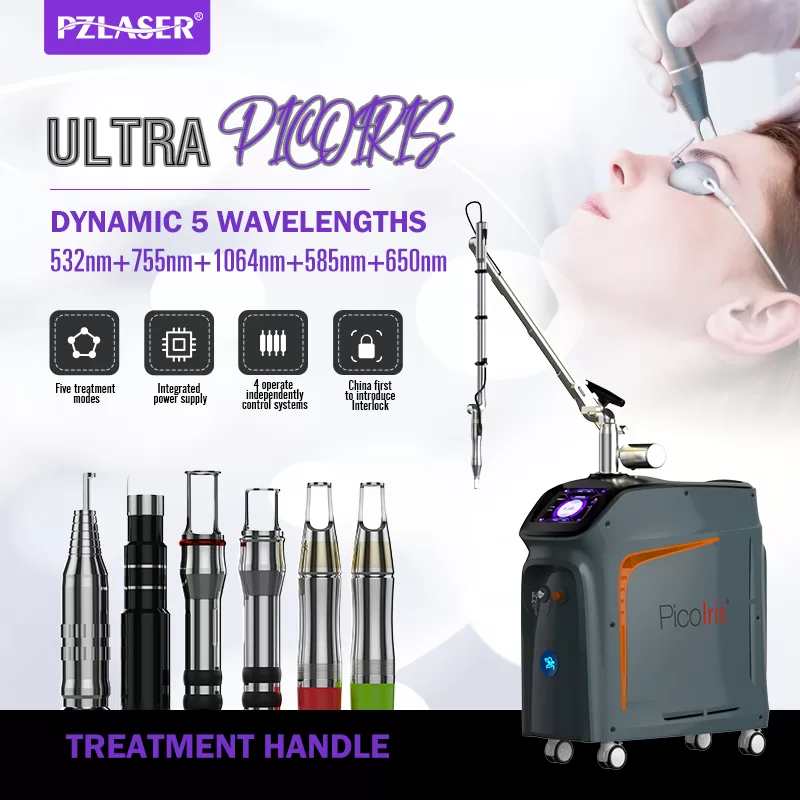
PicoIris integrates three clinically significant wavelengths:
- 1064 nm — optimized for black, dark blue, and deep pigments
- 532 nm — effective for red, orange, and warm tones
- 755 nm — critical for resistant colors such as green and blue
This wavelength combination allows clinics to perform comprehensive multi-color tattoo removal treatments without relying on multiple separate devices.
Picosecond Pulse Technology for Efficient Pigment Fragmentation
By delivering ultra-short pulses, PicoIris generates a strong photoacoustic effect, breaking tattoo ink into finer particles compared to traditional nanosecond systems. This contributes to:
- improved clearance of stubborn pigments
- fewer required treatment sessions
- Reduced thermal diffusion to the surrounding tissue
- lower risk of post-treatment complications
For clinics, this translates into better clinical outcomes and higher patient satisfaction.
Engineered for Clinical Efficiency
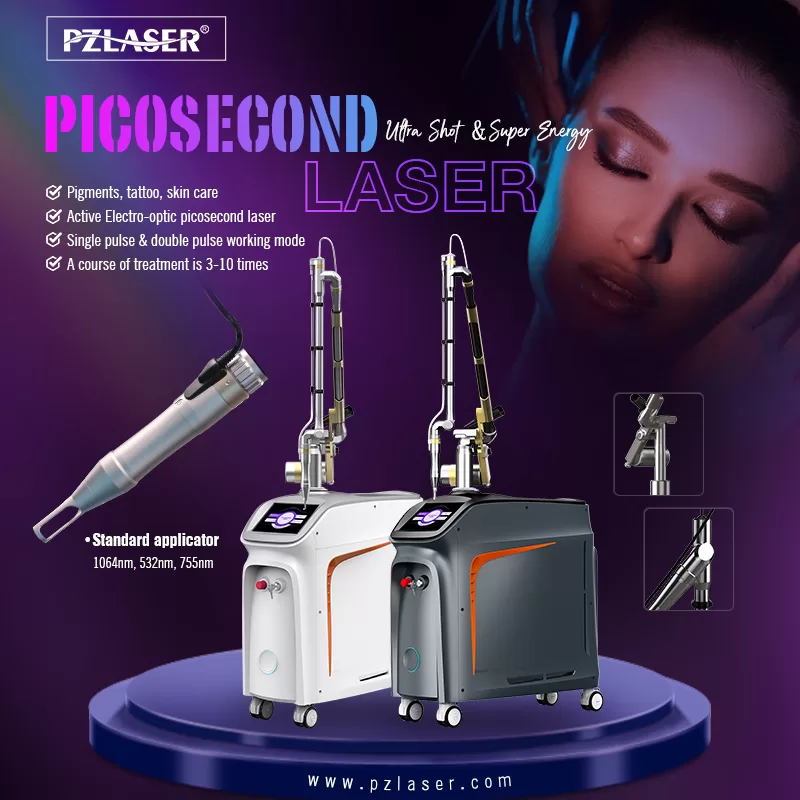
PicoIris is designed not only for technical performance but also for daily operational demands:
- stable energy output for consistent treatments
- Multiple spot size options for different tattoo areas
- high repetition rates for faster procedures
- system durability suited for high patient volume
These features support clinics that aim to build tattoo removal as a core service line, rather than an occasional add-on.
Business Advantages for Aesthetic Clinics
From a business perspective, PicoIris supports:
- expansion into complex, multi-color tattoo cases
- premium service positioning
- shorter treatment cycles per client
- stronger word-of-mouth from visible results
As a result, PicoIris functions as both a clinical technology upgrade and a revenue-enhancing asset for aesthetic practices.
Multi-Color Tattoo Removal Laser FAQs
A Multi-Color Tattoo Removal Laser is a laser system that uses multiple wavelengths to target different tattoo pigment colors. Unlike single-wavelength devices that mainly remove black ink, these systems can treat red, green, blue, and complex mixed-color tattoos more effectively.
Green and blue pigments reflect many common laser wavelengths, making them resistant to traditional systems. Wavelengths around 755 nm are typically required for effective fragmentation of these colors.
The number of sessions depends on ink depth, color complexity, and skin type. Advanced Multi-Color Tattoo Removal Laser systems can reduce sessions compared to traditional nanosecond lasers.
When performed with appropriate wavelength selection and proper energy settings, multi-wavelength systems are widely used across different skin types. Modern devices are designed to minimize thermal damage and reduce side effects.
1064 nm for black and dark ink
532 nm for red and orange pigments
755 nm for green and blue pigments
This combination allows broader pigment coverage.
Systems such as PicoIris integrate multiple wavelengths with picosecond pulse delivery, enabling clinics to treat a wide range of tattoo colors while maintaining efficiency and treatment safety.
Conclusion
The evolution of tattoo trends has changed the requirements for tattoo removal technology. Single-wavelength systems are no longer sufficient for modern, color-rich tattoos. Clinics that invest in true Multi-Color Tattoo Removal Laser platforms gain both clinical and commercial advantages.
Systems like PZLASER PicoIris, built with multi-wavelength picosecond technology and engineered for high-volume clinical use, align with the direction of today’s aesthetic market — where effectiveness, safety, and business efficiency must work together.