
What is the best skin resurfacing device in 2026?
The best skin resurfacing devices for clinics in 2026 include fractional CO2 lasers for deep wrinkles and acne scars, 1550nm erbium glass lasers for collagen stimulation and moderate resurfacing, and 1927nm thulium lasers for pigmentation and superficial skin renewal. Each technology serves different treatment depths, downtime levels, and clinic business models.
In most modern medspas, combining these technologies delivers the best results—offering both high-impact treatments and repeatable, low-downtime procedures.
Introduction
Skin resurfacing has quietly become one of the most requested treatments in modern aesthetic clinics. From acne scars to fine lines, uneven tone to sun damage—patients today are not just looking for results, they’re looking for visible improvement with minimal downtime.
For clinic owners, that creates a clear question: Which skin resurfacing technology actually delivers results, while still making business sense?
In this guide, we’ll break down the top 3 skin resurfacing devices in 2026, compare their clinical effects, downtime, and ROI potential—so you can decide what truly fits your practice.
What Is Skin Resurfacing?
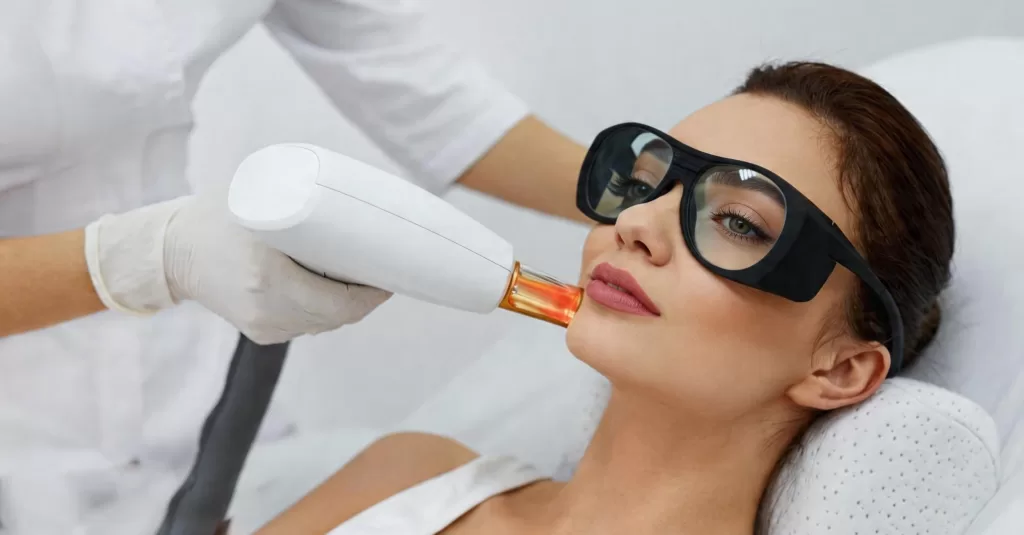
Skin resurfacing refers to a group of treatments that use energy-based devices—most commonly lasers—to improve skin texture, tone, and overall quality.
These treatments work by either:
- removing damaged outer layers of skin
- or stimulating collagen production in deeper layers
According to the American Academy of Dermatology, laser resurfacing is widely used to treat:
- fine lines and wrinkles
- acne scars
- hyperpigmentation
- sun damage
In simple terms, resurfacing is not just about “peeling skin”—it’s about triggering controlled skin regeneration.
Why Skin Resurfacing Is Booming in 2026
The demand for skin resurfacing isn’t random—it’s part of a bigger shift in aesthetic medicine.
Data from the International Society of Aesthetic Plastic Surgery shows that non-surgical procedures continue to grow globally, with laser-based treatments among the fastest-rising categories.
What’s driving this?
- Patients want natural-looking results
- Downtime is no longer acceptable for many professionals
- Preventative treatments are starting earlier (late 20s–30s)
Clinics are also noticing something important: Skin resurfacing is no longer a one-time treatment—it’s becoming a repeatable, high-frequency service.
Which means: The right device can generate long-term recurring revenue.
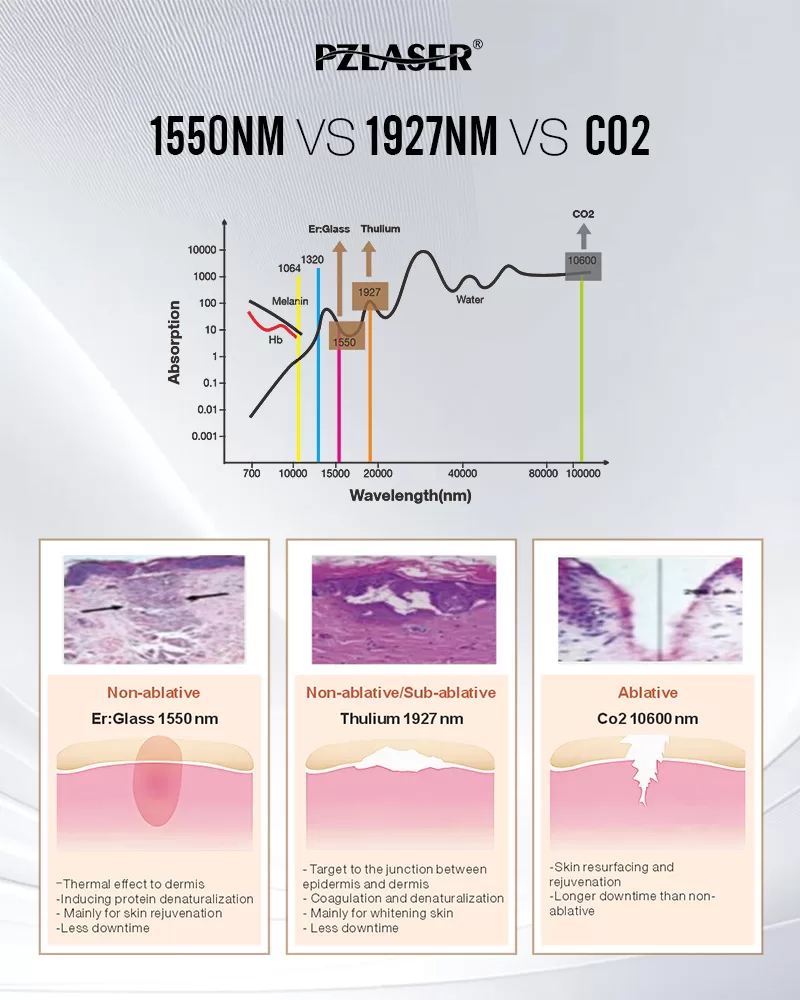
Ablative vs Non-Ablative: The Core Difference
Before choosing a device, it’s critical to understand the two main categories:
Ablative (e.g., CO2 Laser)
- Removes the outer skin layer
- Strong results
- Longer downtime
Non-Ablative (e.g., 1550nm / 1927nm)
- Heats deeper layers without removing skin
- Less downtime
- Gradual improvement
The Mayo Clinic explains it clearly: Ablative lasers deliver more dramatic results, while non-ablative options focus on collagen stimulation with reduced recovery time.
For clinics, this isn’t just a medical distinction—it’s a business model decision.
Top 3 Skin Resurfacing Devices for Clinics
Now let’s get into what really matters: Which devices should you actually invest in?
1. Fractional CO2 Laser (Deep Resurfacing Gold Standard)
If you ask experienced practitioners what delivers the most dramatic results, the answer is still the same: CO2 laser.
Best for:
- Acne scars
- Deep wrinkles
- Severe photoaging
Why it stands out:
- Penetrates deeply into the dermis
- Stimulates strong collagen remodeling
- Visible improvement after fewer sessions
But there’s a trade-off:
- Downtime: 5–10 days
- Higher operator skill required
In most clinics, CO2 is positioned as a premium, high-ticket treatment.
2. 1550nm Erbium Glass Laser (Balanced & Versatile)
If CO2 is “intensive repair,” then 1550nm is “smart maintenance.”
Best for:
- Fine lines
- Mild acne scars
- Overall skin texture
Why clinics love it:
- Shorter downtime (1–3 days)
- Safer for repeat treatments
- Broader patient acceptance
This wavelength works by creating microthermal zones in the dermis, stimulating collagen without removing the epidermis.
In business terms: This is your high-frequency, repeatable treatment machine.
3. 1927nm Thulium Laser (Pigmentation Specialist)
1927nm is often underestimated—but in 2026, it’s becoming essential.
Best for:
- Melasma
- Sun spots
- Uneven skin tone
Why it matters:
- Targets superficial pigmentation
- Minimal downtime
- Perfect for combination treatments
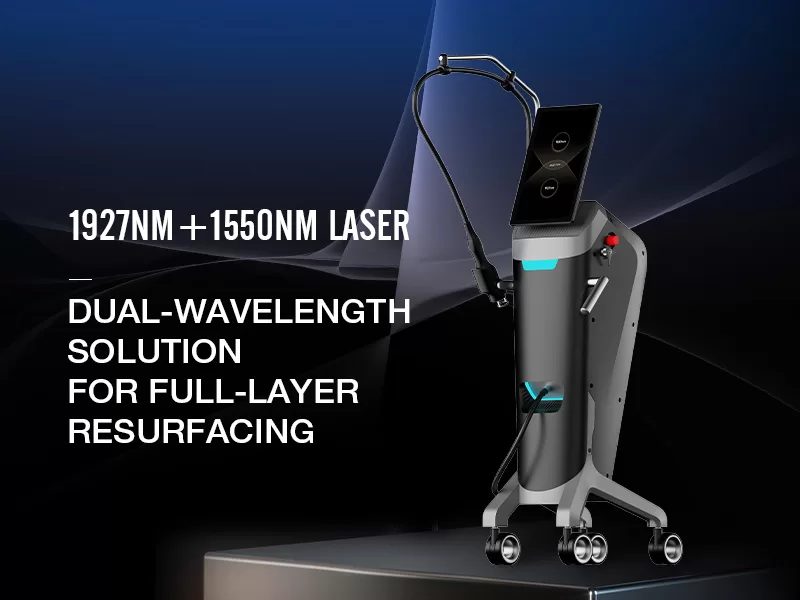
Many advanced clinics now combine:
- 1927nm (surface correction)
- 1550nm (collagen remodeling)
This layered approach delivers: “Glow + structure” results in one treatment plan
Comparison: CO2 vs 1550nm vs 1927nm
| Feature | CO2 Laser | 1550nm Laser | 1927nm Laser |
|---|---|---|---|
| Depth | Deep | Mid-dermis | Superficial |
| Downtime | High | Medium | Low |
| Best For | Scars, wrinkles | Texture, anti-aging | Pigmentation |
| Treatment Frequency | Low | Medium | High |
| ROI Type | High-ticket | Repeatable | Add-on service |
This combination is why many clinics are moving toward multi-wavelength platforms.
Which Device Is Right for Your Clinic?
Instead of asking “which is best,” a better question is: What kind of clinic are you building?
- Startup clinic → 1550nm (safer entry point)
- Advanced clinic → CO2 + 1550nm combo
- Pigmentation-focused clinic → 1927nm
If your goal is long-term revenue stability, the most effective strategy is: Combine deep treatment + maintenance + pigmentation correction
How Much Does Skin Resurfacing Equipment Cost?
Let’s talk real numbers (what buyers actually care about):
- CO2 Laser: $8,000 – $30,000+
- 1550nm Laser: $15,000 – $40,000
- 1927nm Laser: often bundled in multi-platform systems
But price alone is misleading. The real metric is:
- cost per treatment
- sessions per patient
- repeat rate
A well-positioned resurfacing device typically pays for itself within 3–6 months in an active clinic.
Future Trends: Where Skin Resurfacing Is Going
The next wave is already clear:
1. Multi-wavelength systems
1927nm + 1550nm combinations are becoming standard
2. Combination treatments
Laser + RF + exosome therapy
3. Personalized parameters
AI-assisted treatment settings (emerging trend)
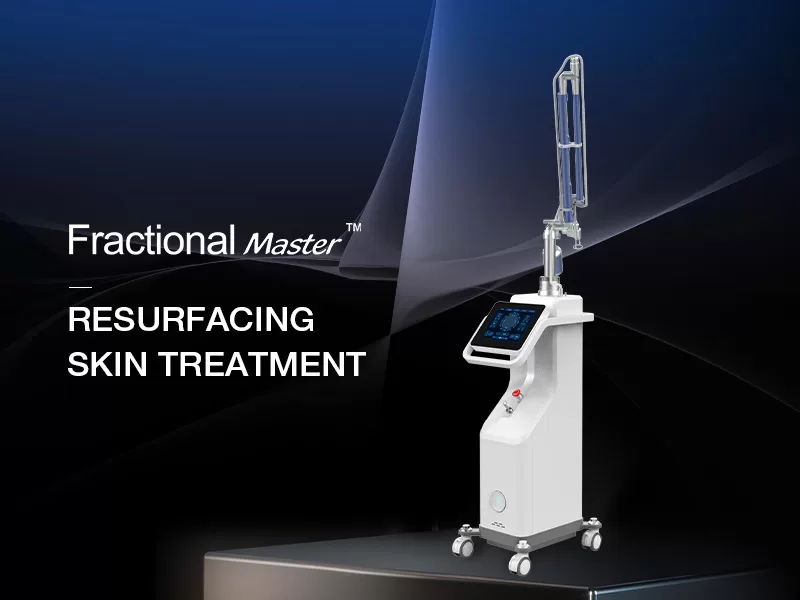
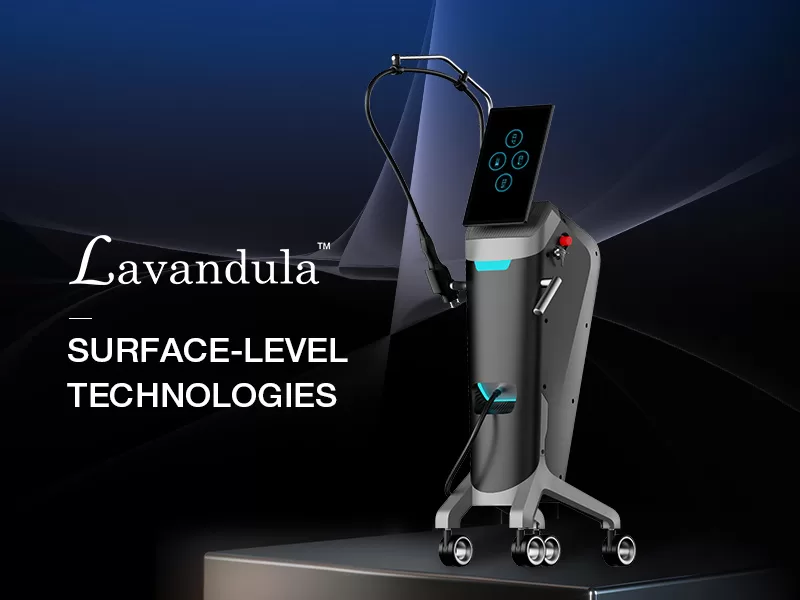
Recommended Solution for Clinics From PZLASER
FAQ About Skin Resurfacing
What is the most effective laser for skin resurfacing?
Fractional CO2 lasers are considered the most effective for deep wrinkles and acne scars, while 1550nm and 1927nm lasers are better for maintenance and pigmentation.
Is non-ablative laser better than CO2?
Non-ablative lasers offer less downtime and are safer for repeated treatments, but CO2 lasers provide more dramatic results in fewer sessions.
Which skin resurfacing treatment has the least downtime?
1927nm thulium laser treatments typically have the least downtime, making them ideal for pigmentation and mild skin rejuvenation.
How much does a skin resurfacing machine cost?
Prices range from $8,000 to over $40,000 depending on the technology, features, and treatment capabilities.
Conclusion
As technology continues to evolve, so do patient expectations. Today’s aesthetic treatments are no longer just about correction—they’re about achieving natural, refined, and long-lasting results.
Skin resurfacing remains one of the most timeless and effective solutions in aesthetic medicine. Whether targeting deep wrinkles, acne scars, or uneven skin tone, the ability to stimulate genuine skin regeneration will always be central to clinical demand.
For clinic owners, the key is not simply choosing the most advanced device—but selecting the right combination of technologies that align with your patient base, treatment strategy, and business goals.
In an increasingly competitive market, the clinics that stand out are those that invest in versatility, consistency, and long-term value.