
Introduction
Cellulite is one of the most common aesthetic concerns worldwide, affecting clients of all ages, body types, and lifestyles. Despite regular exercise, healthy diets, and weight control, many individuals still struggle with uneven, dimpled skin—most commonly on the thighs, buttocks, abdomen, and arms. The laser to treat cellulite has become a key topic among aesthetic professionals and clinic owners. Industry resources such as professional dermatology platforms and practitioner discussions on communities like Reddit frequently highlight laser and energy-based technologies as effective options for improving cellulite appearance without surgery or downtime.
Rather than focusing on surface-level changes alone, the modern laser to treat cellulite targets the underlying structure of the skin. By stimulating collagen production, improving circulation, and enhancing tissue firmness, laser-based solutions help clinics deliver visible, gradual, and natural-looking improvements. This blog offers a comprehensive, clinic-focused guide to understanding cellulite, exploring available treatment methods, and explaining why laser technology plays a growing role in professional cellulite reduction programs.
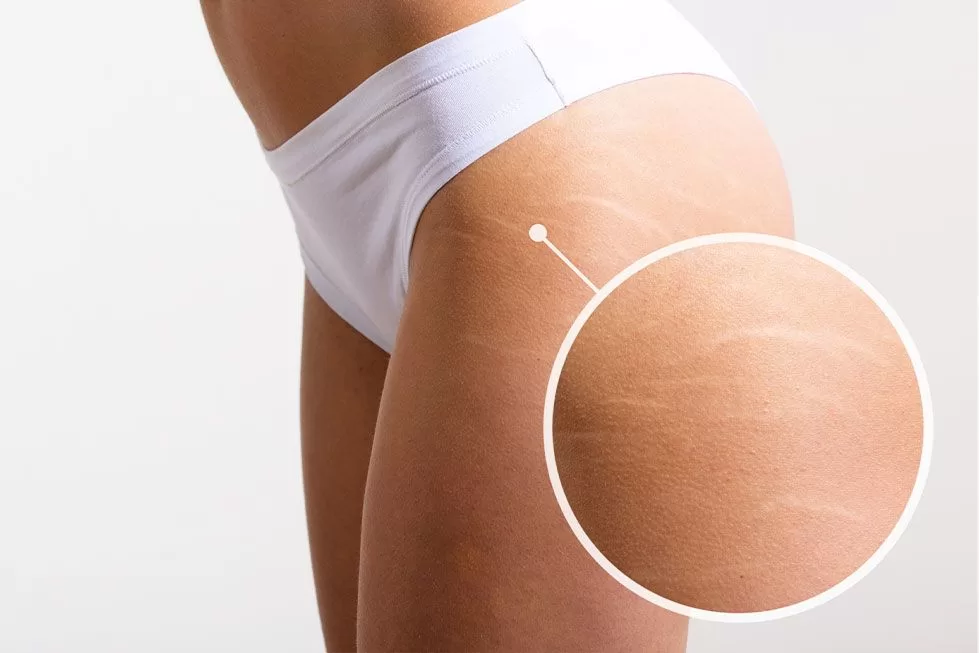
What Is Cellulite?
Cellulite is a structural condition of the skin and underlying tissue, not simply excess fat. It appears as a dimpled or “orange peel” texture on the skin surface and is caused by changes in the way fat, connective tissue, and skin interact.
Key characteristics of cellulite include:
- Uneven skin texture
- Visible dimpling or puckering
- Commonly found on thighs, buttocks, hips, abdomen, and upper arms
- Occurs in people of all body weights
Importantly, cellulite is not a medical condition, but a cosmetic concern that can significantly impact body confidence and satisfaction.
What Causes Cellulite?
Cellulite develops due to a combination of structural and physiological factors rather than a single cause.
Common contributing factors include:
- Enlargement of fat cells pushing against the skin
- Fibrous connective bands pull the skin downward
- Reduced collagen and skin elasticity
- Poor blood and lymphatic circulation
- Hormonal changes and aging
- Genetic predisposition
- Sedentary lifestyle
Because cellulite is multifactorial, effective treatment often requires technologies that address more than one layer of tissue.
Who Is More Prone To Cellulite?
Cellulite affects both men and women, but it is significantly more prevalent in women due to anatomical and hormonal differences.
Key reasons include:
- Fat distribution patterns: Women store fat closer to the skin surface.
- Connective tissue structure: Female fibrous septae run vertically, allowing fat to protrude upward more easily.
- Hormonal influences: Estrogen affects fat storage, circulation, and collagen production.
- Skin thickness: Thinner skin makes cellulite more visible over time.
Understanding these factors helps clinics explain to clients why cellulite is so common—and why it is not always preventable through lifestyle changes alone.
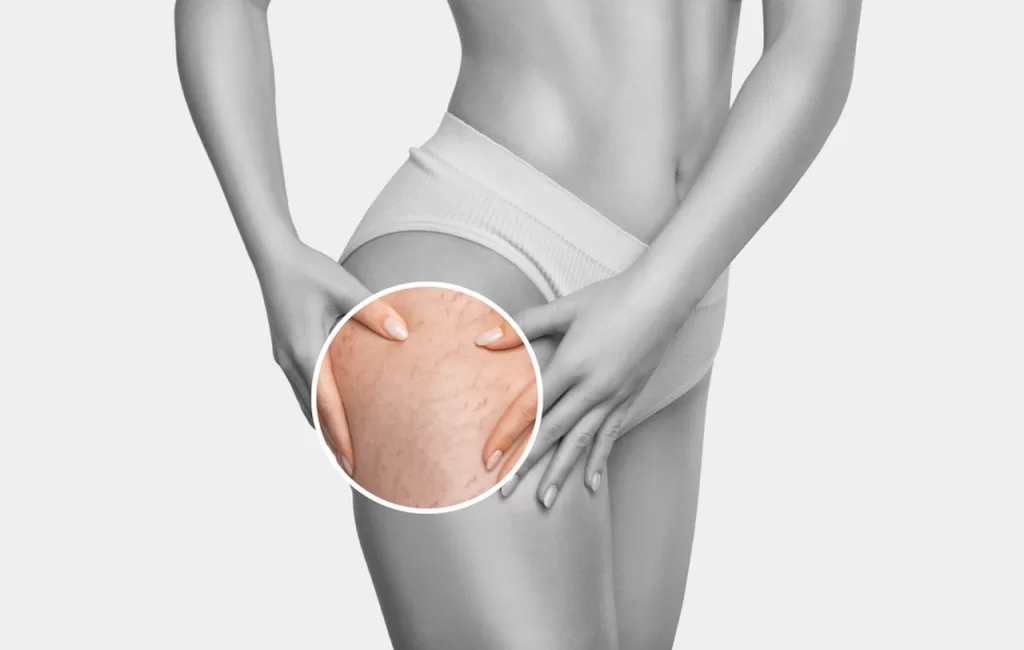
Common Methods to Reduce Cellulite
Over the years, various approaches have been used to reduce the appearance of cellulite. Each method offers different levels of effectiveness and durability.
Lifestyle and Topical Solutions
- Exercise and diet
- Anti-cellulite creams
- Massage tools
These methods may improve circulation temporarily but rarely produce visible, long-lasting results.
Manual and Mechanical Treatments
- Massage therapy
- Vacuum rollers
- Endermologie-style treatments
These can temporarily smooth skin but do not significantly change underlying tissue structure.
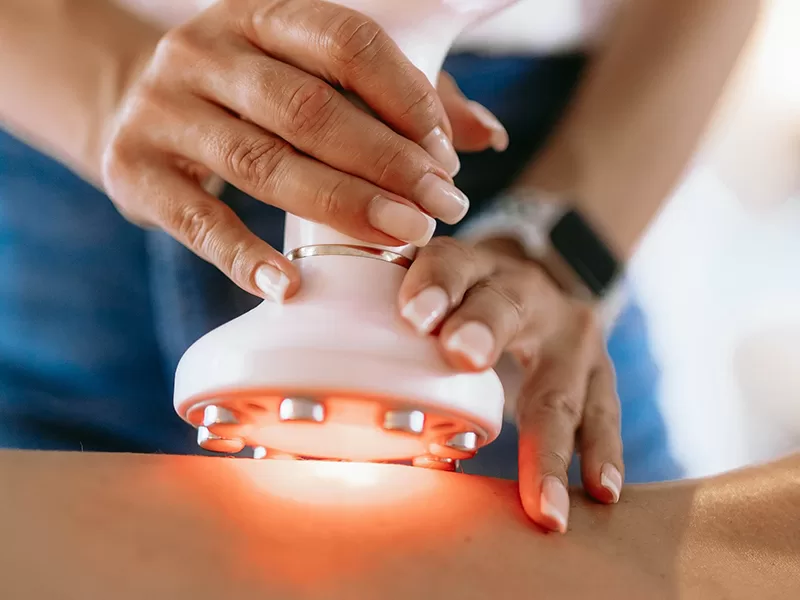
Energy-Based Technologies
- Radiofrequency (RF)
- Infrared (IR)
- Ultrasound
- Laser to treat cellulite
Energy-based treatments aim to stimulate collagen production, improve circulation, and remodel tissue more effectively.
Invasive or Semi-Invasive Options
- Subcision
- Injectables
- Surgical procedures
While effective, these options involve higher risks, downtime, and recovery periods.
This growing preference for the non-invasive laser to treat cellulite has positioned laser technologies as a leading solution for clinics.
Why Use a Laser to Treat Cellulite?
Laser and laser-assisted energy technologies work by delivering controlled heat and stimulation to targeted tissue layers. This approach allows clinics to address the structural causes of cellulite rather than only surface symptoms.
Key mechanisms include:
- Heating deep tissue to stimulate collagen remodeling
- Improving skin firmness and elasticity
- Enhancing blood and lymphatic circulation
- Helping smooth irregular fat distribution
- Supporting overall skin tightening and contouring
Because of these effects, laser to treat cellulite is widely adopted in professional aesthetic settings.
How Laser Treatments Improve Cellulite Appearance?
The laser to treat cellulite does not “remove” cellulite completely, but it significantly reduces its visibility by improving skin quality and tissue structure.
Benefits include:
- Smoother skin texture
- Reduced dimpling appearance
- Improved firmness and tone
- Enhanced body contour
- More youthful skin appearance
For clinics, this means offering clients realistic, achievable results without invasive procedures.
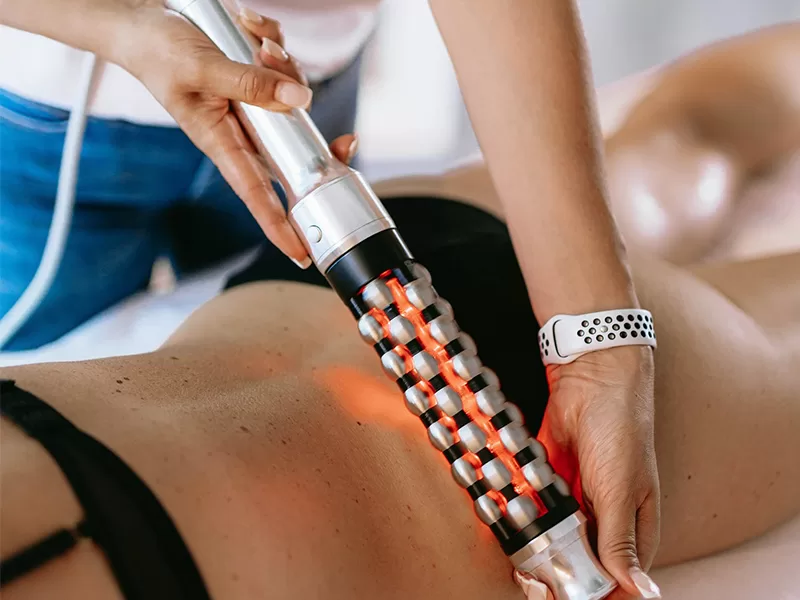
Advantages of Laser to Treat Cellulite Clinics
From a business and clinical perspective, laser-based cellulite treatments offer several advantages.
Clinical Advantages:
- Non-invasive and comfortable
- Suitable for multiple body areas
- Minimal to no downtime
- Safe for repeated sessions
- High patient satisfaction
Business Advantages:
- High demand body contouring service
- Ideal for treatment packages and memberships
- Strong repeat-visit potential
- Easy integration with RF, vacuum, and massage technologies
- Scalable for clinics and med spas
As a result, laser to treat cellulite is not only a clinical solution but also a profitable service line.
Laser vs Other Cellulite Treatment Methods
Clinics often compare different cellulite treatment methods before investing in new technologies. The table below highlights how laser to treat cellulite compares with other common approaches.
| Treatment Method | How It Works | Effectiveness on Cellulite | Downtime | Duration of Results |
|---|---|---|---|---|
| Massage Therapy | Manual stimulation improves temporary circulation and lymphatic drainage | Low – surface-level improvement only | None | Very short-term |
| Vacuum / Mechanical Rollers | Physically mobilizes tissue and temporarily smooths skin | Low to moderate | None | Short-term |
| Radiofrequency (RF) | Heats tissue to stimulate collagen and tighten skin | Moderate – improves skin laxity more than fat structure | None | Medium-term |
| Topical Creams | Claims to tighten or firm skin temporarily | Very low | None | Very short-term |
| Injectables / Subcision | Breaks fibrous bands beneath the skin | High (localized) | Moderate | Long-term |
| Surgical Procedures | Physically removes or restructures fat tissue | High | Significant | Long-term |
| Laser to Treat Cellulite | Uses controlled energy to heat tissue, stimulate collagen, improve circulation, and smooth uneven fat structure | High – visibly reduces cellulite appearance over a treatment course | None to minimal | Medium to long-term with maintenance |
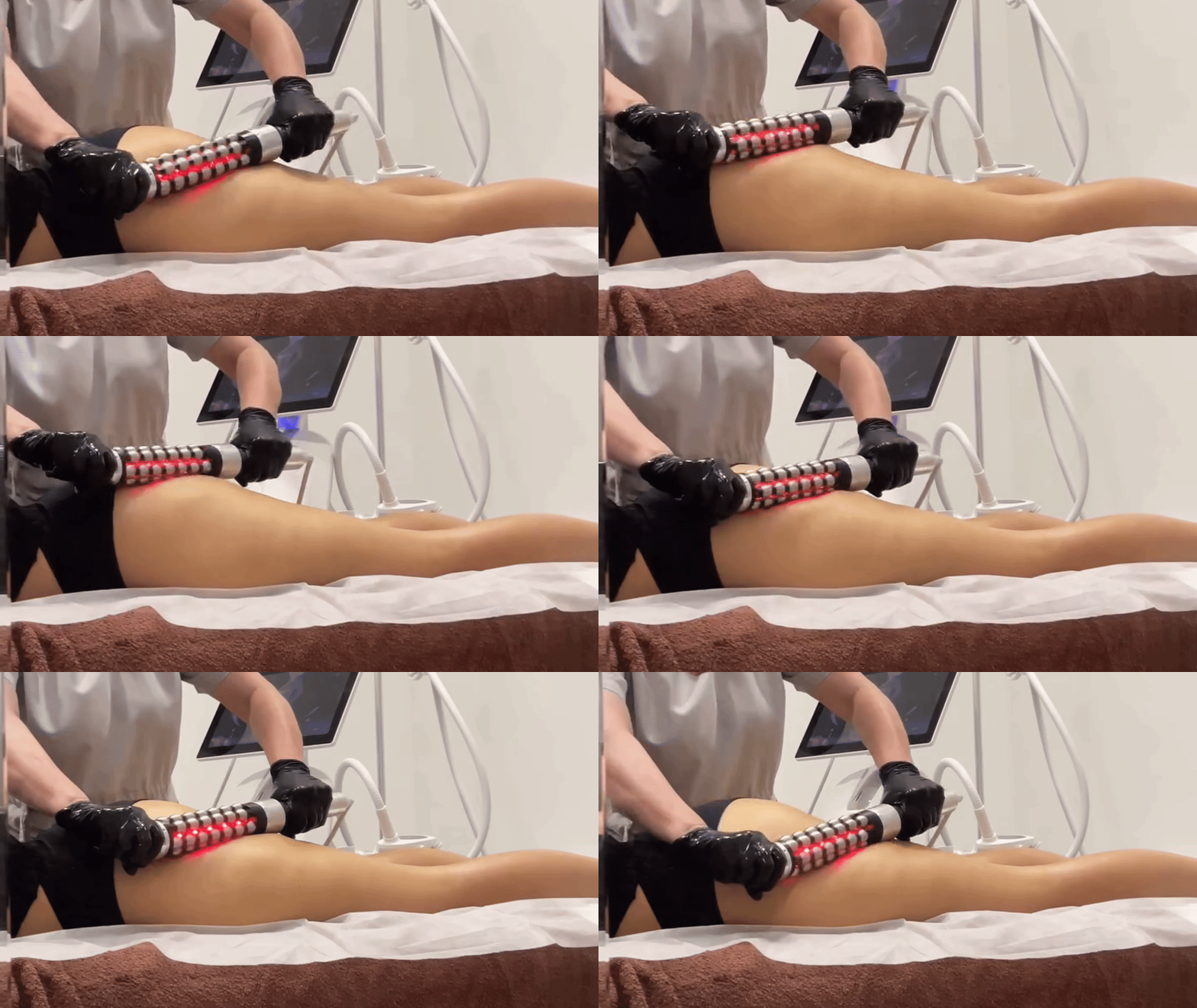
After comparing different cellulite treatment methods, one conclusion becomes clear: cellulite cannot be effectively addressed with a single approach. Because it involves fat structure, connective tissue tension, skin laxity, and circulation, clinics increasingly rely on integrated, non-invasive systems rather than standalone technologies.
This shift explains why multi-technology platforms have become central to professional programs that use laser to treat cellulite. By combining energy delivery with mechanical stimulation and vacuum-assisted techniques, these systems target multiple layers of tissue in one coordinated treatment.
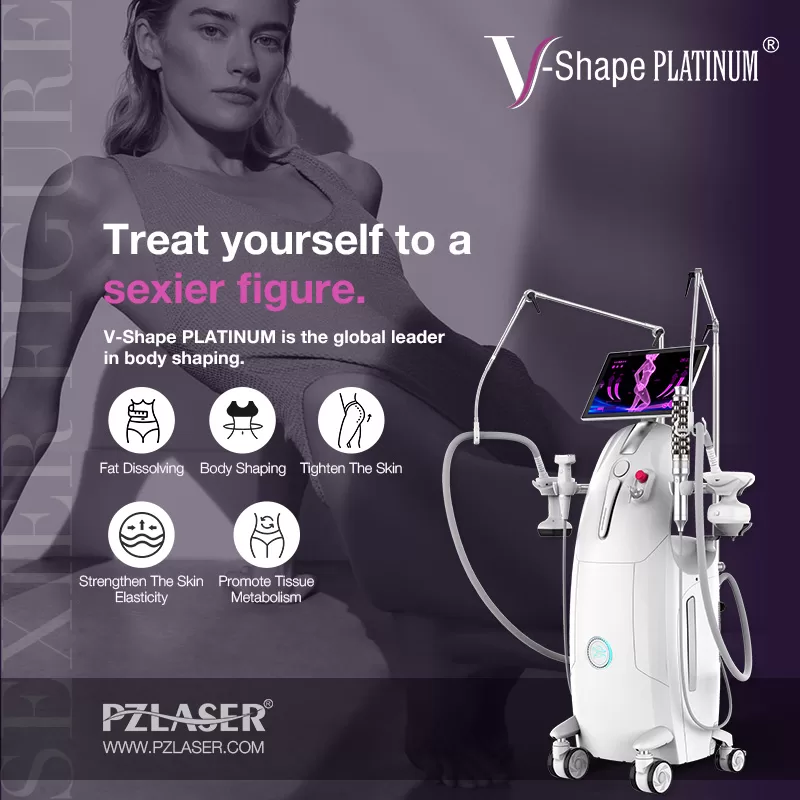
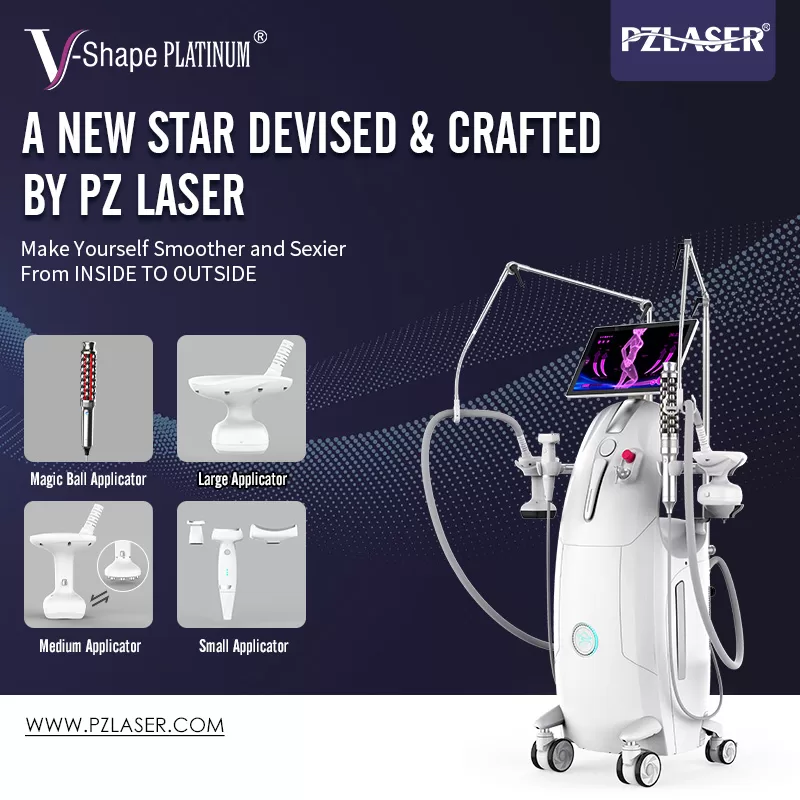
One example of this integrated approach is V-Shape Platinum®, a results-oriented active body contouring system designed specifically for non-invasive cellulite reduction, skin tightening, and body shaping.
How V-Shape Platinum® Supports Laser to Treat Cellulite Programs?
V-Shape Platinum® does not rely on a single energy source. Instead, it integrates five complementary technologies into one treatment platform:
- Radiofrequency (RF)
- Infrared light energy
- Vacuum (negative pressure)
- Mechanical rollers
- Skin folding and compressive stimulation
This combination allows practitioners to stimulate deep tissue heating while mechanically mobilizing fat and connective tissue, which is essential when using laser-assisted energy to improve cellulite appearance.
During treatment, controlled vacuum and roller movement create aerobic-like stimulation of connective and adipose tissue. At the same time, RF and infrared energy generate deep, uniform heating that activates fibroblasts and supports new collagen and elastin production. This multi-layer interaction leads to visible improvements in:
- Skin firmness and elasticity
- Tissue texture and tone
- Localized volume and contour
- Cellulite visibility over time
V-Shape Platinum® incorporates these mechanisms into a single workflow, allowing clinics to address both the structural and circulatory aspects of cellulite without invasive procedures or downtime.
FAQs About Laser to Treat Cellulite
Can laser treatments remove cellulite permanently?
Laser treatments significantly improve the appearance of cellulite, but they do not permanently eliminate it. Maintenance sessions and healthy lifestyle habits help prolong results.
Is laser to treat cellulite safe for all skin types?
Modern non-invasive laser and energy-based systems are generally safe for a wide range of skin types when performed correctly and with appropriate settings.
Does laser cellulite treatment hurt?
The laser to treat cellulite is typically comfortable. Clients usually experience a warm, massage-like sensation rather than pain.
How soon can clients see results from laser cellulite treatment?
Some clients notice skin smoothing after a few sessions, while more visible improvement appears gradually over several weeks as collagen remodeling continues.
What body areas can be treated with laser cellulite treatments?
Common treatment areas include thighs, buttocks, abdomen, hips, arms, and flanks—any area where cellulite is visible.
Conclusion
For clinics and spa businesses, it is no longer about whether to offer cellulite treatment, but how effectively and sustainably it can be delivered.
From a practical investment perspective, PZLASER V-Shape Platinum® provides clinics with a versatile, non-invasive platform that supports cellulite reduction, skin tightening, and body shaping within one integrated workflow.
This allows providers to build consistent treatment programs, maximize equipment utilization, and meet growing demand without increasing operational complexity. In a competitive aesthetic market, the right laser cellulite system is not just a treatment choice—it is a business decision.