
Introduction
Pigmentation concerns remain among the most common reasons patients visit aesthetic clinics. From melasma and sun damage to post-inflammatory hyperpigmentation, more people are seeking treatments that improve skin tone without lengthy recovery periods.
At the same time, patient expectations have changed. In 2026, many clients want visible results—but they are no longer willing to accept weeks of downtime after aggressive procedures.
This shift has accelerated demand for low-downtime laser treatments for pigmentation, especially in modern medspas and dermatology clinics across the United States and Europe.
Among the most discussed low-downtime laser treatments for pigmentation technologies in 2026 are:
- 1927nm thulium lasers
- picosecond lasers
- dual-wavelength fractional systems combining 1550nm and 1927nm wavelengths
In this guide, we’ll explore the best laser options for pigmentation in 2026, compare their benefits, and explain why many clinics are moving toward gentler, more versatile treatment platforms.
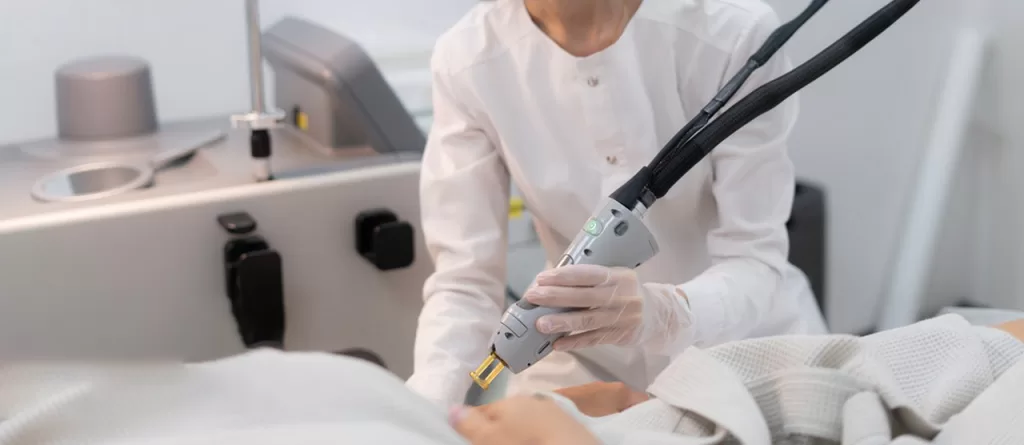
Why Low Downtime Treatments Are Growing in 2026?
The aesthetic industry is moving toward treatments that fit modern lifestyles.
Today’s patients are more informed and selective than ever before. Many are no longer willing to accept:
- extended redness
- weeks of recovery
- significant social downtime
Instead, they prefer treatments that allow them to:
- return to work quickly
- maintain active social schedules
- continue year-round skincare routines
This trend is especially important for pigmentation treatments, which often require multiple sessions and long-term maintenance.
According to the American Society for Dermatologic Surgery, minimally invasive cosmetic procedures continue to grow as patients increasingly seek treatments with lower recovery times.
Social media trends have also influenced patient behavior. Keywords such as:
- glass skin
- healthy skin barrier
- natural skin rejuvenation
have become major drivers of aesthetic treatment demand.
For clinics, low downtime treatments often create:
- stronger patient retention
- more repeat visits
- higher treatment frequency
- easier treatment package upgrades
What Causes Pigmentation?
Pigmentation issues can develop from several causes, including:
- UV exposure
- hormonal changes
- inflammation
- acne
- aging
- heat-related skin sensitivity
Common pigmentation conditions include:
- melasma
- sun spots
- freckles
- post-inflammatory hyperpigmentation (PIH)
- uneven skin tone
Because pigmentation can exist at different skin depths, choosing the right laser technology is extremely important.
Some treatments target:
- superficial epidermal pigmentation
while others focus on:
- deeper dermal remodeling
- collagen stimulation
- overall skin rejuvenation
This is why many clinics are now moving toward combination treatment strategies.

Why Clinics Are Moving Away From Aggressive Resurfacing?
Aggressive resurfacing still has its place in aesthetic medicine, especially for severe scarring and advanced aging concerns.
However, many clinics are shifting toward lower downtime treatments for several reasons.
Patients Prefer Faster Recovery
Modern patients increasingly prefer:
- “lunchtime procedures”
- minimal social downtime
- quicker healing periods
Clinics Benefit From Repeat Treatments
Low downtime laser treatments are easier to integrate into:
- maintenance memberships
- long-term skincare plans
- seasonal treatment programs
This creates more stable recurring revenue.
Better Year-Round Treatment Potential
Unlike highly aggressive resurfacing procedures, lower downtime technologies are often easier to incorporate into:
- summer treatments
- maintenance protocols
- younger patient demographics
Comparing the Best Low Downtime Lasers for Pigmentation
1. 1927nm Thulium Laser
The 1927nm thulium laser primarily targets the epidermal layer of the skin, where superficial pigmentation and sun damage are commonly located. Creating controlled fractional microchannels, it helps improve melasma, uneven skin tone, and photoaging while supporting faster skin renewal with relatively low downtime.
2. Picosecond Laser
Picosecond lasers use ultra-short pulse durations to break pigment particles into smaller fragments with reduced thermal damage to surrounding tissue. This technology is commonly used for deeper pigmentation concerns, tattoo removal, and mixed pigmentation conditions while maintaining relatively quick recovery times.
3. 1550nm + 1927nm Dual-Wavelength Laser
Dual-wavelength systems combine two treatment depths within one platform. The 1927nm wavelength targets superficial pigmentation in the epidermis, while the 1550nm wavelength penetrates deeper into the dermis to support collagen remodeling and texture improvement. This combination allows clinics to address pigmentation and skin rejuvenation simultaneously.
1927nm vs Pico vs Dual-Wavelength Lasers
| Technology | Target Skin Layer | Best For | Downtime | Main Advantages | Treatment Focus |
|---|---|---|---|---|---|
| 1927nm Thulium Laser | Epidermis | Melasma, superficial pigmentation, sun damage | Low | Gentle recovery, effective pigment correction | Epidermal pigmentation |
| Picosecond Laser | Epidermis + Dermis | Stubborn pigmentation, tattoos, mixed pigmentation | Low to Moderate | Fast pulse technology, reduced thermal damage | Pigment fragmentation |
| 1550nm + 1927nm Dual-Wavelength Laser | Epidermis + Dermis | Pigmentation + texture + rejuvenation | Low | Multi-layer treatment, collagen remodeling | Pigmentation + skin renewal |
Recommended Low Downtime Pigmentation Solutions by PZLASER
Modern clinics increasingly prefer low downtime laser technologies that combine pigmentation correction, skin rejuvenation, and faster recovery. Explore PZLASER solutions designed for melasma, sun damage, uneven skin tone, and collagen remodeling.
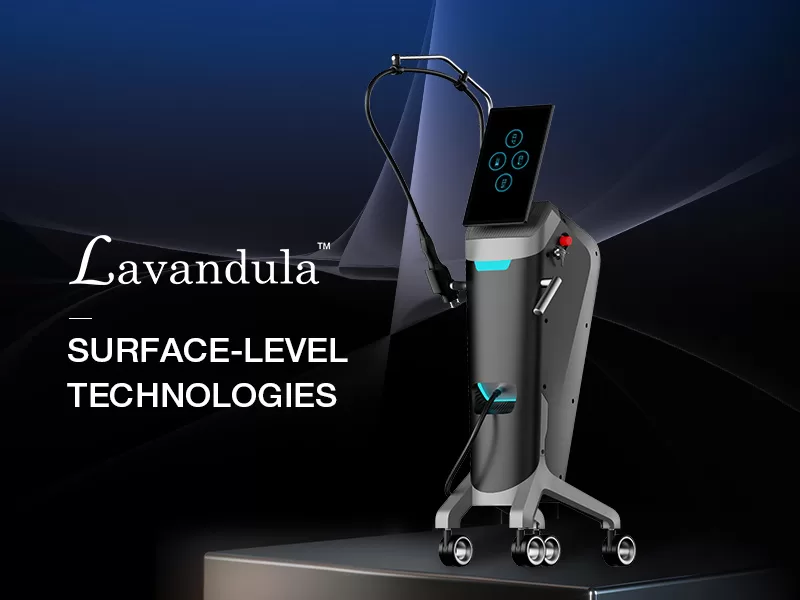
1927nm Thulium Laser
Designed for melasma, sun damage, and superficial pigmentation treatments with reduced downtime and faster recovery.
Watch Video →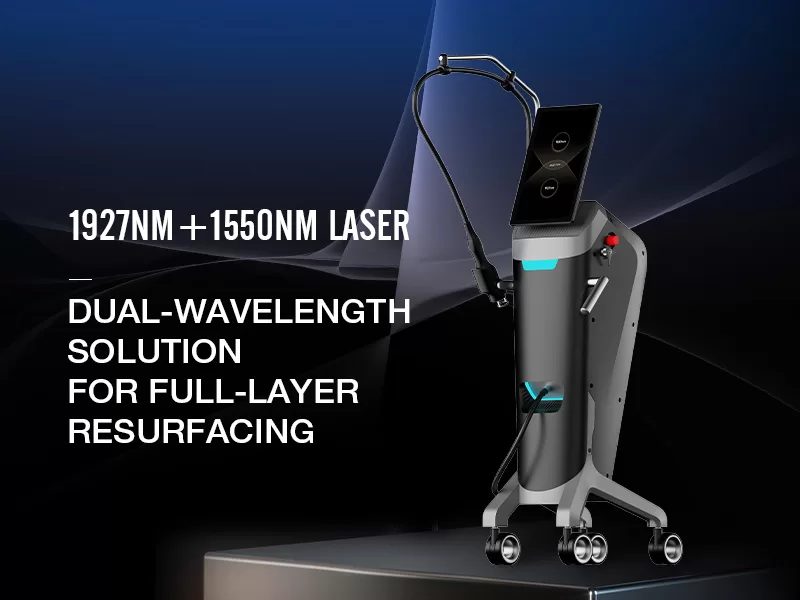
1550nm + 1927nm Dual-Wavelength Laser
Designed for pigmentation correction, collagen remodeling, and skin rejuvenation with reduced downtime and flexible treatment protocols.
Watch Demo →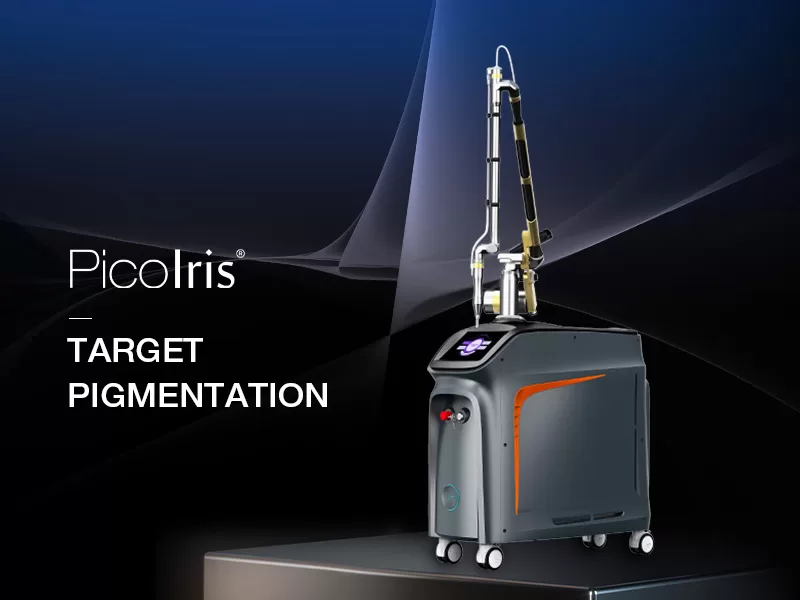
Picosecond Laser System
Designed for pigmentation correction, tattoo removal, and skin rejuvenation using ultra-short pulse technology with reduced thermal damage and faster recovery.
View Product →FAQ about the low-downtime laser best for pigmentation treatments
1927nm thulium lasers, picosecond lasers, and dual-wavelength systems are among the most popular low downtime laser treatments for pigmentation in 2026.
Yes. 1927nm lasers are commonly used for melasma and superficial pigmentation because they provide effective treatment with relatively manageable downtime.
1927nm primarily targets superficial pigmentation, while 1550nm focuses more on dermal remodeling and collagen stimulation.
Patients increasingly prefer treatments that allow faster recovery, minimal interruption to daily life, and natural-looking results.
Conclusion
For clinics and medspas, choosing the right aesthetic device means choosing technologies that align with both current market trends and long-term patient demand.
The aesthetic market is evolving rapidly, and clinics today are no longer simply looking for the most aggressive treatments. Low downtime pigmentation treatments—such as 1927nm, picosecond, and dual-wavelength laser systems—are becoming an essential part of modern aesthetic practice.
At PZLASER, we focus on developing professional aesthetic laser technologies designed around real clinical needs and evolving industry trends. From pigmentation correction to skin rejuvenation, our solutions help clinics deliver safer, more versatile, and more competitive treatments for today’s market.