
Introduction
Non-Invasive Facelifts are no longer a niche aesthetic request — they have become a mainstream choice for millions of people seeking a younger, lifted appearance without surgery. As lifestyles become busier and people prioritize minimal downtime, the demand for effective, science-based, non-surgical solutions has skyrocketed. Among these, ultrasound-based treatments, particularly High-Intensity Focused Ultrasound (HIFU), have played a pivotal role in expanding the capabilities of non-invasive facelifts.
According to large-scale research published in the Aesthetic Surgery Journal, energy-based lifting procedures, particularly ultrasound-based systems, continue to grow because they align perfectly with modern priorities: natural results, low risk, and minimal disruption. This shift has redefined the way aesthetic clinics operate.
This article will explore the evolution of ultrasound technology, demonstrate how it revolutionizes non-invasive facelifts, introduce the next generation of ultrasound innovation — Micro-Pulsed Technology — and highlight PZLASER’s upgraded MFUPRO system.
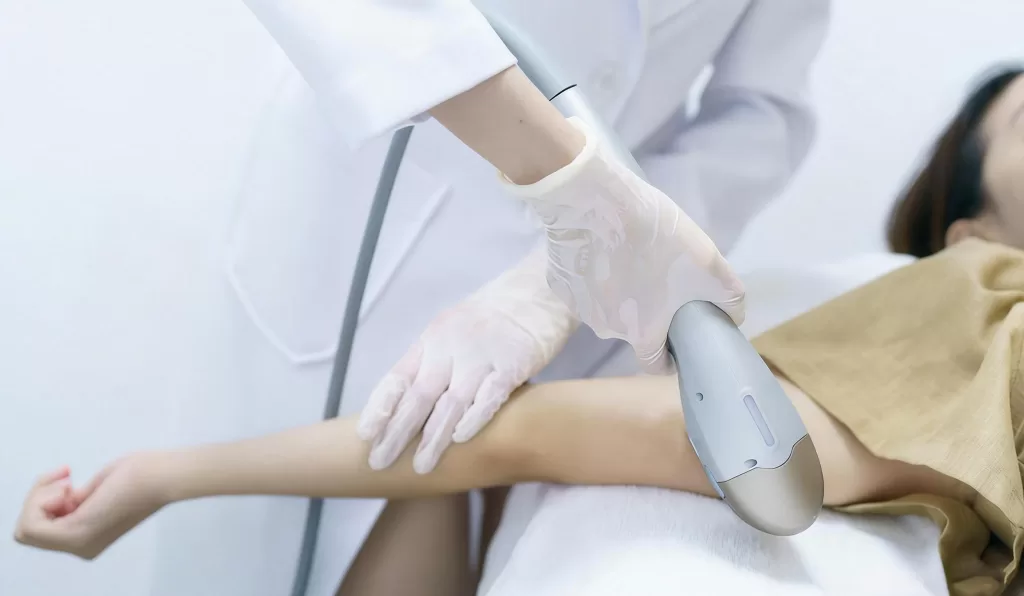
How Ultrasound Became the Backbone of Non-Invasive Facelifts?
Among the range of modalities used for facial lifting and skin tightening, ultrasound technology has become a cornerstone. When did it start to become a cornerstone?
1. Medical Roots
Ultrasound itself has roots that reach back to early medical applications in the mid-20th century, originally explored for neurological conditions and later adapted for a wide range of diagnostic and therapeutic purposes.
2. Early Aesthetic Exploration
In the aesthetic field, the use of focused ultrasound for skin tightening only began to take shape in the late 1990s and early 2000s. Innovators saw that by concentrating acoustic energy below the surface of the skin, they could safely heat tissue in precise layers without affecting the epidermis.
This concept gradually evolved into devices capable of stimulating new collagen production — a crucial process that underlies the visible lifting effects in non-invasive facelifts.
3. FDA Recognition
By around 2009, devices based on High-Intensity Focused Ultrasound (HIFU) began to receive regulatory approval for facial lifting and wrinkle reduction. In fact, since its approval by the US FDA for non-surgical brow lifts and the removal of wrinkles on the neck and upper chest, HIFU has become one of the most trusted non-invasive facelift technologies in clinical practice.
4. Proof Through Data
Research continues to validate the value of micro-focused ultrasound (MFU) treatment systems.
- Over 90% of ultrasound facelift patients achieve measurable tightening
- Benefits can last six months to over a year
- Satisfaction rates remain among the highest in aesthetics
Why Ultrasound Became the Backbone of Non-Invasive Facelifts?
Ultrasound stands out from other energy-based technologies because it can target deeper than both lasers and radiofrequency, including the SMAS — the same layer surgeons manipulate during a facelift.
| Technology | Target Depth | Ideal Use | Limitation | Summary |
|---|---|---|---|---|
| Ultrasound (HIFU/MFU) | Dermis → SMAS (1.5–4.5mm) | Structural tightening & lifting | Practitioner technique dependent | Best non-surgical lift |
| Radiofrequency | Superficial to mid dermis | Mild softening & fine lines | Energy disperses, limited depth | Great enhancement partner |
| Laser | Epidermis & upper dermis | Texture, pigmentation, pores | Cannot reach structural layers | Best combined with ultrasound |
Ultrasound’s deep reach is what allows Non-Invasive Facelifts to reshape contours, define jawlines, and lift sagging cheeks — all without cutting the skin.
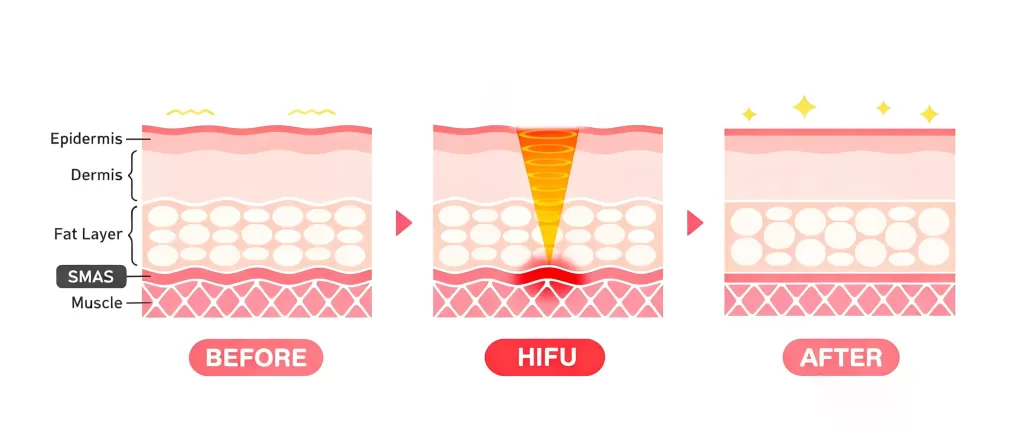
HIFU: The First Major Leap in Ultrasound-Based Non-Invasive Facelifts
The introduction of High-Intensity Focused Ultrasound (HIFU) marked a revolution in non-surgical lifting. By sending concentrated heat points into deeper layers, HIFU stimulates collagen contraction and remodeling, creating:
- Visible lifting
- Structural tightening
- Gradual yet natural facial rejuvenation
- Little-to-no downtime
However, traditional HIFU technology comes with limitations:
- Discomfort during high-energy delivery
- Limited coverage pershot
- Higher reliance on the operator technique
The results are powerful — but as patient expectations grow, technology needs to evolve. New Needs, New Expectations — And New Technology. Modern patients want:
- Faster treatments
- Less discomfort
- Full-face and full-body adaptability
- More predictable outcomes
- Minimal sensation and downtime
These needs paved the way for an innovation —Micro-Pulsed Technology (MPT).
Micro-Pulsed Technology: The Next Chapter of Ultrasound
| Feature | Traditional HIFU | Micro-Pulsed Technology |
|---|---|---|
| Energy Flow | Continuous | Micro-segmented pulses |
| Comfort Level | Medium to high sensation | Significantly improved sensation |
| Heat Spread | Concentrated | Smooth, even distribution |
| Result Type | Contraction and lift | Lift + smoothing + elastic recovery |
| Downtime | Minimal | Minimal — often less |
| Ideal For | Experienced patients | Both new and sensitive clients |
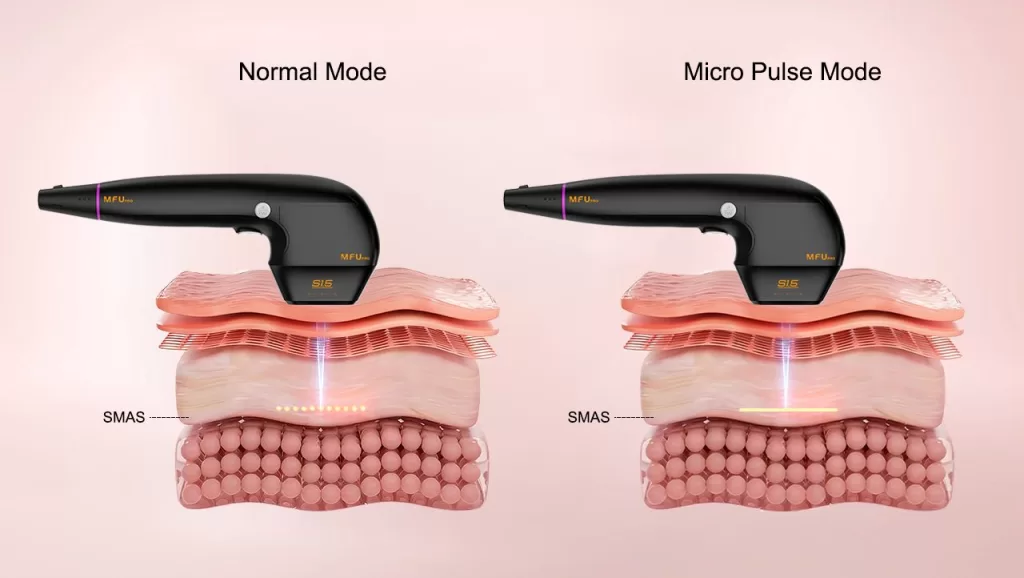
With MPT, tissue is not shocked with one intense energy wave. Instead, it’s treated with rapid, refined pulses that are easier for both tissue and patients to tolerate.
PZLASER's MFUPRO Upgrade: Taking Non-Invasive Facelifts Further
Recognizing growing demand and new possibilities, PZLASER upgraded the MFUPRO system, integrating MPT into a platform designed for today’s needs.
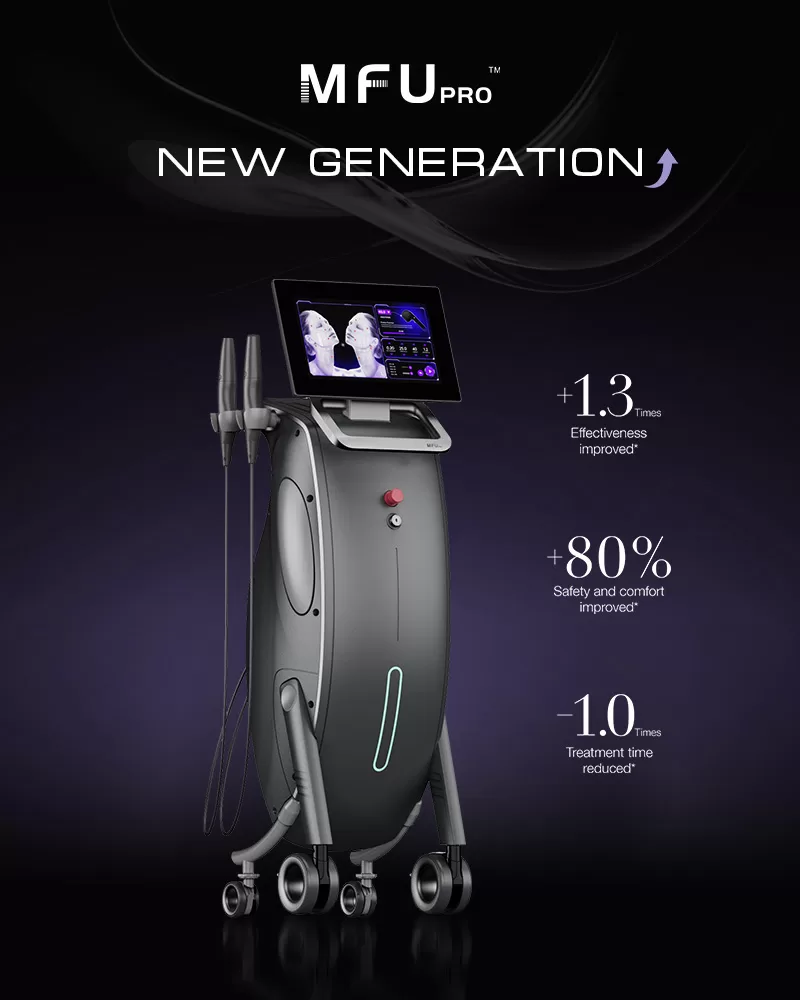
Adjustable Depths for Tailored Results
| Face Coverage | Body Coverage |
|---|---|
| 1.5mm | 6.0mm |
| 2.0mm | 9.0mm |
| 3.0mm | 13mm |
| 4.5mm | — |
Customized treatment depending on the skin type, treatment, and depth of dermis to the subcutaneous tissue fat layer.
- superficial tightening
- mid-depth firming
- SMAS lifting
- subcutaneous body contouring
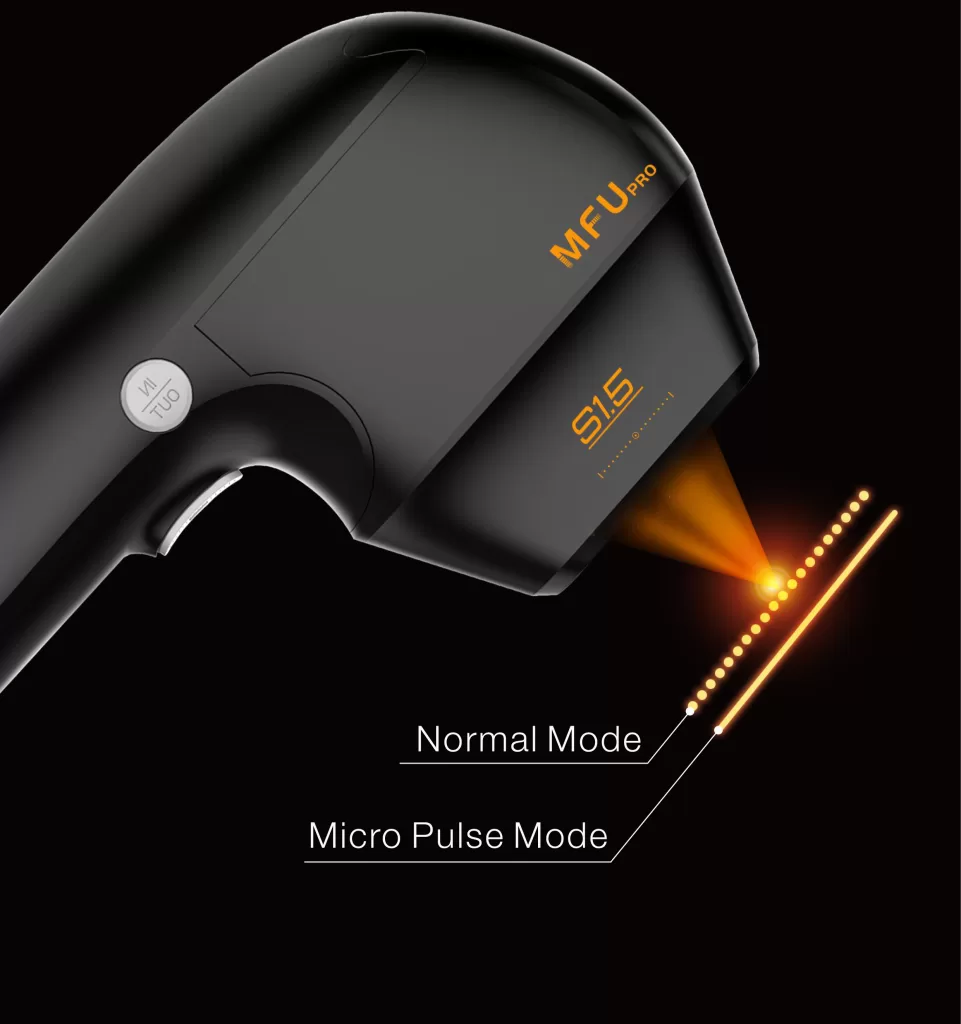
Multiple Treatment Modes
| Mode | Benefit | Best Use |
|---|---|---|
| Normal Mode | Dot-style precision | Chin & jawline contouring |
| Micro-Pulse Mode | Smooth thermal field | Cheeks, neck, large areas |
| Combined Protocols | Layered delivery | Maximum visible lift |
Faster, More Comfortable Treatments
- Up to 2–2.5× faster delivery
- Less physical fatigue for practitioners
- More relaxing experience for patients
Adjustable SD Cartridge
A single cartridge with variable depth settings:
- Delivers multi-layer coverage
- Enables overlapping stimulation
- Boosts post-treatment lift longevity
Most Asked Questions About Non-Invasive Facelifts
Q1: When do results become visible?
Collagen takes time. Expect progressive changes over 2–3 months, with peak improvements at 6 months.
Q2: Does it hurt?
Traditional ultrasound can feel sharp or hot.
Micro-Pulsed Technology significantly smooths this sensation.
Q3: How long do results last?
Many enjoy results 6–12 months+, particularly with regular skincare and maintenance.
Q4: Is it safe for all skin types?
Yes. Ultrasound targets tissue beneath the skin surface and does not rely on melanin, making it suitable for most skin tones.
Q5: Can it replace surgery?
- Mild → moderate laxity: excellent non-surgical alternative
- Severe sagging: Surgery may still be ideal
Ultrasound can delay the need for surgery as long as possible.
Conclusion
The rise of Non-Invasive Facelifts has transformed how the world approaches aging. From the early days of ultrasound experimentation to the arrival of HIFU — and now Micro-Pulsed Technology — each phase has expanded what is possible without a scalpel.
Today’s MFUPRO technology shows how far ultrasound has come:
- Faster treatments
- Better comfort
- Wider applications
- More refined control
- Deeper lifting power
- Natural-looking outcomes
But most importantly, the innovation hasn’t stopped. PZLASER’s commitment to continuous progress ensures that the future of lifting will stay non-invasive, intelligent, and deeply effective — bringing youthful confidence within reach for more people than ever before.
As patient expectations evolve, so will ultrasound platforms.