
The best fractional CO2 laser machines in 2026 are those that offer stable energy output, adjustable depth control, and multiple treatment modes for acne scars, wrinkles, and skin rejuvenation. Clinics typically choose systems that balance strong clinical results with manageable downtime and high ROI potential. Many clinics in Europe now prioritize systems that meet strict regulatory standards, such as MDR certification, to ensure both safety compliance and long-term operational reliability.
Introduction
The fractional CO2 laser remains the most powerful technology for deep skin correction. From acne scars to advanced photoaging, clinics rely on fractional CO2 laser systems to deliver visible, long-lasting results.
But with so many options on the market, choosing the best fractional CO2 laser is not just about specifications—it’s about finding a system that matches your clinic’s treatment focus, patient expectations, and long-term business strategy.
What Is a Fractional CO2 Laser?
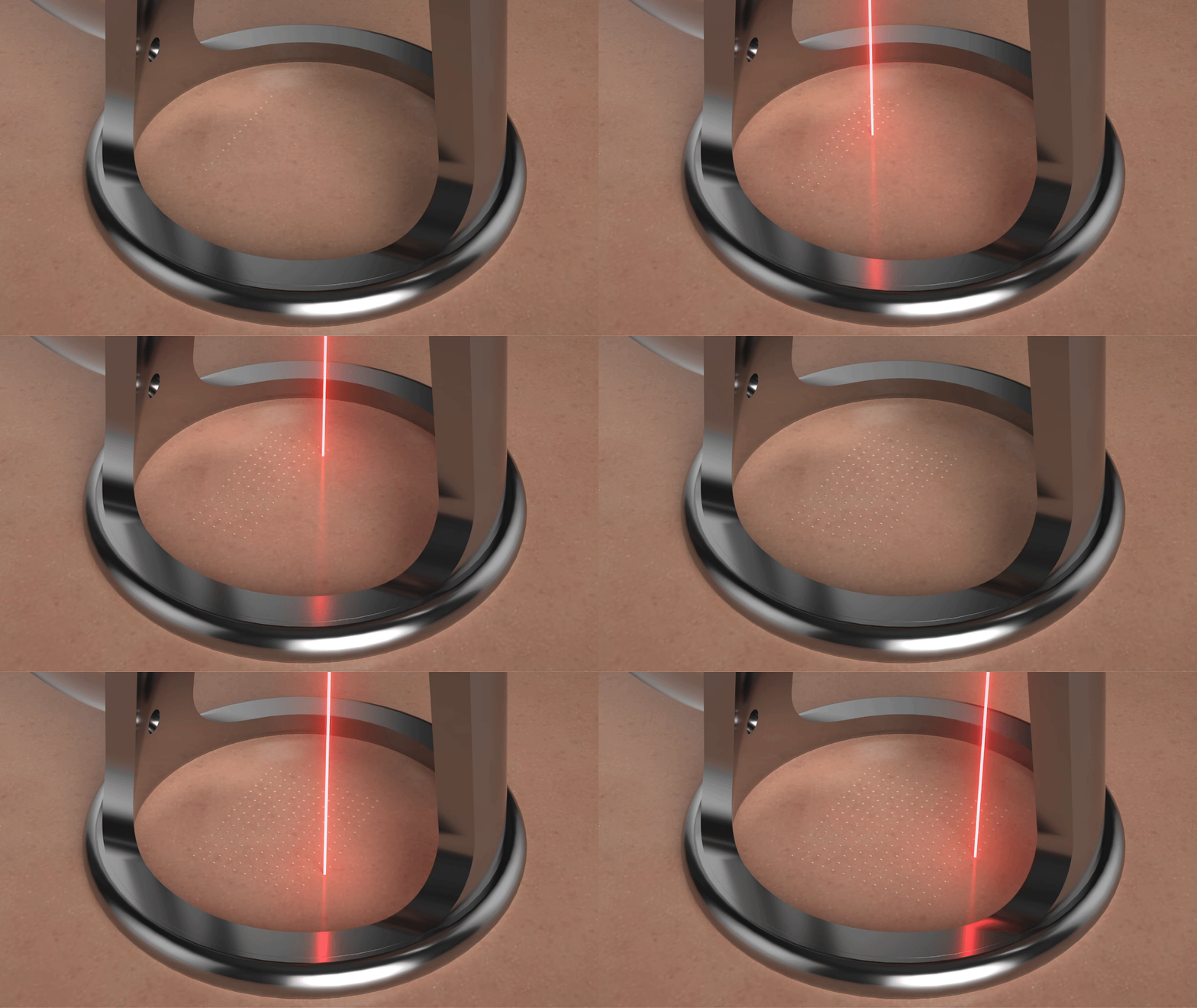
A fractional CO2 laser is an ablative laser device operating at a wavelength of 10600nm, designed to remove damaged skin layers while stimulating collagen regeneration in the dermis.
Unlike traditional fully ablative systems, a fractional CO2 laser creates controlled micro-injuries in the skin, leaving surrounding tissue intact. This approach allows faster healing while still achieving deep resurfacing results.
According to the American Academy of Dermatology, laser resurfacing using CO2 technology is widely used for:
- deep wrinkles
- acne scars
- sun damage
- uneven skin texture
In clinical practice, the fractional CO2 laser is still considered the gold standard for intensive skin resurfacing.
Why Fractional CO2 Laser Is Still a Top Choice for Clinics?
Despite the rise of newer technologies, the fractional CO2 laser continues to dominate in high-performance treatments. For many aesthetic practices, the fractional CO2 laser is a core profit-generating device.
Key reasons:
1. High-impact results
A fractional CO2 laser penetrates deeper than non-ablative systems, making it ideal for severe skin concerns.
2. Fewer sessions required
Compared to lighter treatments, a fractional CO2 laser often delivers visible improvement in just 1–3 sessions.
3. Premium pricing potential
Clinics can position fractional CO2 laser treatments as high-value services, increasing revenue per patient.
CO2 Laser vs Non-Ablative Lasers
| Feature | CO2 Laser | Non-Ablative Laser |
|---|---|---|
| Depth | Deep | Mid / Superficial |
| Results | Dramatic | Gradual |
| Downtime | 5–10 days | 1–3 days |
| Sessions | Fewer | Multiple |
Ablative lasers remove outer skin layers, producing more noticeable results compared to non-ablative methods.
CO2 Laser vs RF Microneedling: Which Is Better?
Fractional CO2 laser treatments are typically chosen for deep correction and higher-value procedures, while RF microneedling is more suitable for maintenance and repeat treatments.
| Feature | Fractional CO2 Laser | RF Microneedling |
| Technology | Ablative laser (10600nm) | RF + microneedles |
| Downtime | 5–10 days | 1–3 days |
| Sessions | 1–3 | 3–6 |
| Revenue Model | High-ticket | Repeat treatments |
| Best For | Acne scars, deep wrinkles | Skin tightening, pores |
While both technologies are highly effective, they serve different roles in a clinic setting. Fractional CO2 lasers are typically used for deep correction treatments with a higher ticket value, while RF microneedling is better suited for maintenance, skin tightening, and repeatable procedures.
For most growing clinics, the ideal strategy is not choosing one over the other—but combining both. However, if your focus is on treating acne scars, deep wrinkles, and achieving faster visible results, a CO2 laser remains the more powerful and profitable starting point.
How to Choose the Best Fractional CO2 Laser?
When selecting a fractional CO2 laser, clinics should focus on both clinical performance and business value.
1. Energy stability
A high-quality fractional CO2 laser should deliver consistent output to ensure predictable results.
2. Adjustable treatment parameters
Depth and density control allow the fractional CO2 laser to treat different skin conditions effectively.
3. Multi-functional capabilities
Advanced systems offer multiple modes, making the fractional CO2 laser more versatile.
4. Certification and compliance
Devices with international certifications (such as MDR) provide greater market access and reliability.
Recommended Fractional CO2 Laser From PZLASER
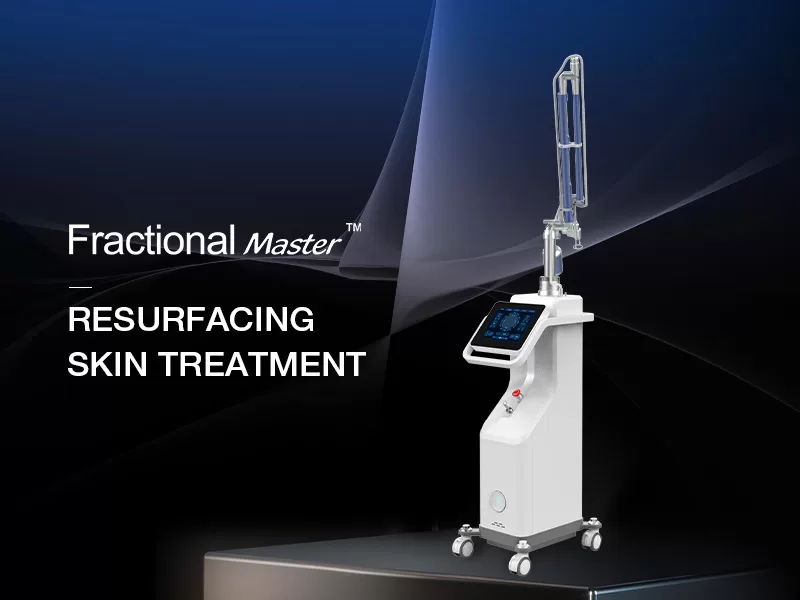
Professional Fractional CO2 Laser Solution by PZLASER
Built for clinics that demand both performance and compliance, the PZLASER Fractional CO2 system combines advanced energy control with international medical certifications—helping you deliver consistent clinical results while meeting global regulatory standards.
Future Trends of Fractional CO2 Laser
The fractional CO2 laser is evolving alongside other technologies.
Emerging trends include:
- Combination treatments (laser + RF)
- Reduced downtime protocols
- Smarter energy delivery systems
The future is not replacing the fractional CO2 laser, but integrating it into a broader aesthetic solution.
Conclusion
CO2 laser technology has stood the test of time for a reason. While trends in aesthetic medicine continue to evolve, the demand for effective skin regeneration remains constant.
Patients may ask for natural results and shorter downtime—but when it comes to true skin correction, few technologies match the performance of a well-executed CO2 treatment.
For clinic owners, the real decision is not whether CO2 still works—it clearly does.
The question is how to integrate it into a treatment portfolio that balances results, patient comfort, and long-term profitability. PZLASER will help take your business to the next level.
Because in today’s competitive aesthetic market, the clinics that succeed are not just offering treatments—they are building complete, result-driven solutions that patients trust and return to.