
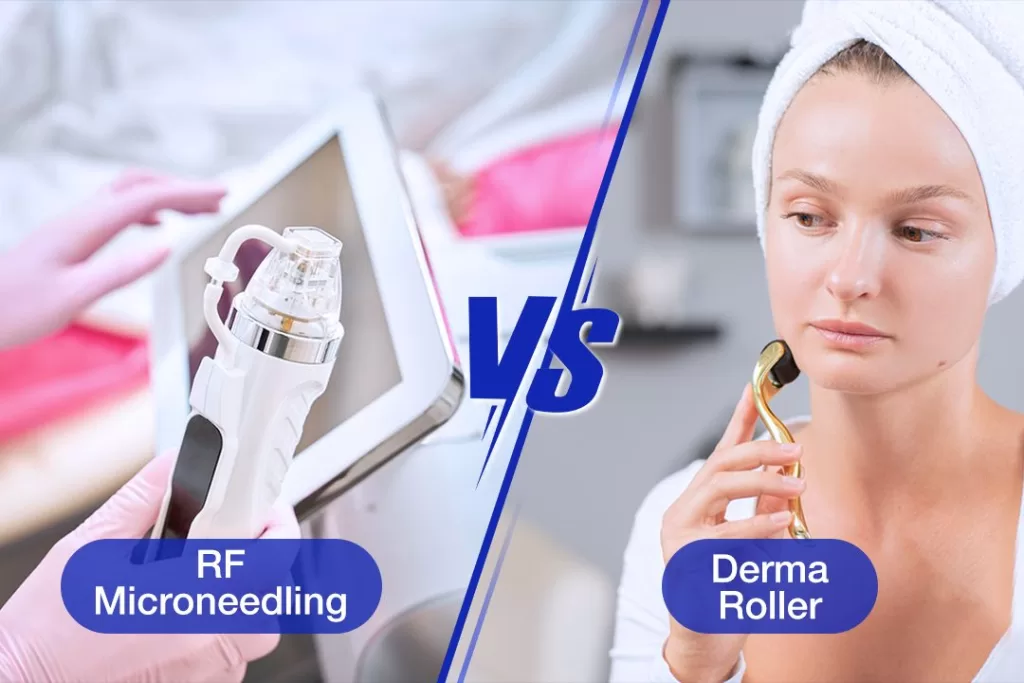
What Is RF Microneedling?
RF microneedling is a minimally invasive skin rejuvenation treatment that combines microneedles with radio frequency energy to stimulate collagen production, tighten skin, improve acne scars, reduce pores, and enhance overall skin texture with minimal downtime. Compared with traditional derma rollers, RF microneedling offers more precise depth control, deeper dermal remodeling, and better skin tightening results.
Introduction
RF Microneedling has become one of the most popular minimally invasive aesthetic treatments for improving skin texture, reducing acne scars, minimizing enlarged pores, and reducing signs of aging. As technology evolves, traditional derma rollers are gradually being replaced by more advanced RF microneedling systems that combine precise needle penetration with radio-frequency energy to achieve deeper skin remodeling and tightening.
In this blog, we will explore the history of microneedling, the differences between traditional microneedling and RF microneedling, treatment indications, recommended depths, and why RF microneedling has become a leading technology in modern aesthetic medicine.
What Is Microneedling?
Microneedling is a minimally invasive skin rejuvenation treatment that uses tiny needles to create controlled micro-injuries in the skin. It was first described as a skin needling. These microchannels stimulate the body's natural healing response, promoting collagen and elastin production for smoother, firmer, and healthier skin.
Today, microneedling has evolved from traditional manual derma rollers into advanced RF microneedling systems that combine fractional radio frequency energy with insulated or non-insulated needles for deeper remodeling and superior skin tightening results.
Microneedling treatments are widely used in aesthetic clinics, dermatology centers, and medical spas for:
- Acne scars
- Enlarged pores
- Fine lines and wrinkles
- Skin laxity
- Stretch marks
- Pigmentation
- Uneven skin texture
- Hair restoration
Microneedling has tremendous potential; however, it is vital to recognize the efficacy and role of the plethora of available devices on the market today.

The History of Microneedling
The concept of skin stimulation through controlled injury dates back decades.
Early Dermabrasion & Skin Needling
In the 1990s, dermatologists began using needle-based techniques to improve scars and collagen remodeling. Early devices were simple hand-held rollers equipped with stainless steel needles.
The Rise of Derma Rollers
Traditional derma rollers became popular due to their affordability and simplicity. These devices mechanically punctured the skin to stimulate collagen production.
However, traditional rollers had several limitations:
- Uneven penetration depth
- More epidermal trauma
- Higher infection risk
- Less precise energy delivery
- Limited tightening effect
The Evolution of RF Microneedling
Modern RF microneedling systems revolutionized the industry by combining:
- Adjustable needle depth
- Fractional radio frequency energy
- Controlled thermal coagulation
- Better skin tightening
- Reduced downtime
- Higher safety for multiple skin types
RF microneedling is now considered one of the most advanced minimally invasive skin rejuvenation technologies in aesthetic medicine.
Traditional Derma Roller vs RF Microneedling
| Feature | Traditional Derma Roller | RF Microneedling |
|---|---|---|
| Technology | Mechanical needle stimulation | Needles + radio frequency energy |
| Precision | Manual | Adjustable & controlled |
| Skin Tightening | Limited | Strong collagen remodeling |
| Downtime | Moderate | Lower with controlled energy |
| Acne Scar Treatment | Mild improvement | Significant improvement |
| Pain Level | Moderate | More comfortable with advanced systems |
| Safety for Dark Skin | Lower | Higher |
| Energy Delivery | None | Thermal coagulation in dermis |
| Treatment Depth | Fixed | Adjustable |
| Clinical Results | Basic collagen stimulation | Comprehensive rejuvenation |
Key Benefits of RF Microneedling Treatments
1. Stimulates Collagen at Multiple Levels
RF energy penetrates deep into the dermis while protecting the epidermis, encouraging long-term collagen remodeling.
2. Improves Skin Tightening
Unlike traditional rollers, RF microneedling provides thermal stimulation that helps tighten loose skin and improve elasticity.
3. Better Acne Scar Remodeling
The combination of controlled injury and RF heat makes RF microneedling highly effective for atrophic acne scars.
4. Adjustable Treatment Depth
Different skin concerns require different needle depths. Professional RF systems allow precise customization for various indications.
5. Suitable for Multiple Skin Types
RF microneedling is generally safer for darker skin tones compared with aggressive laser resurfacing procedures.
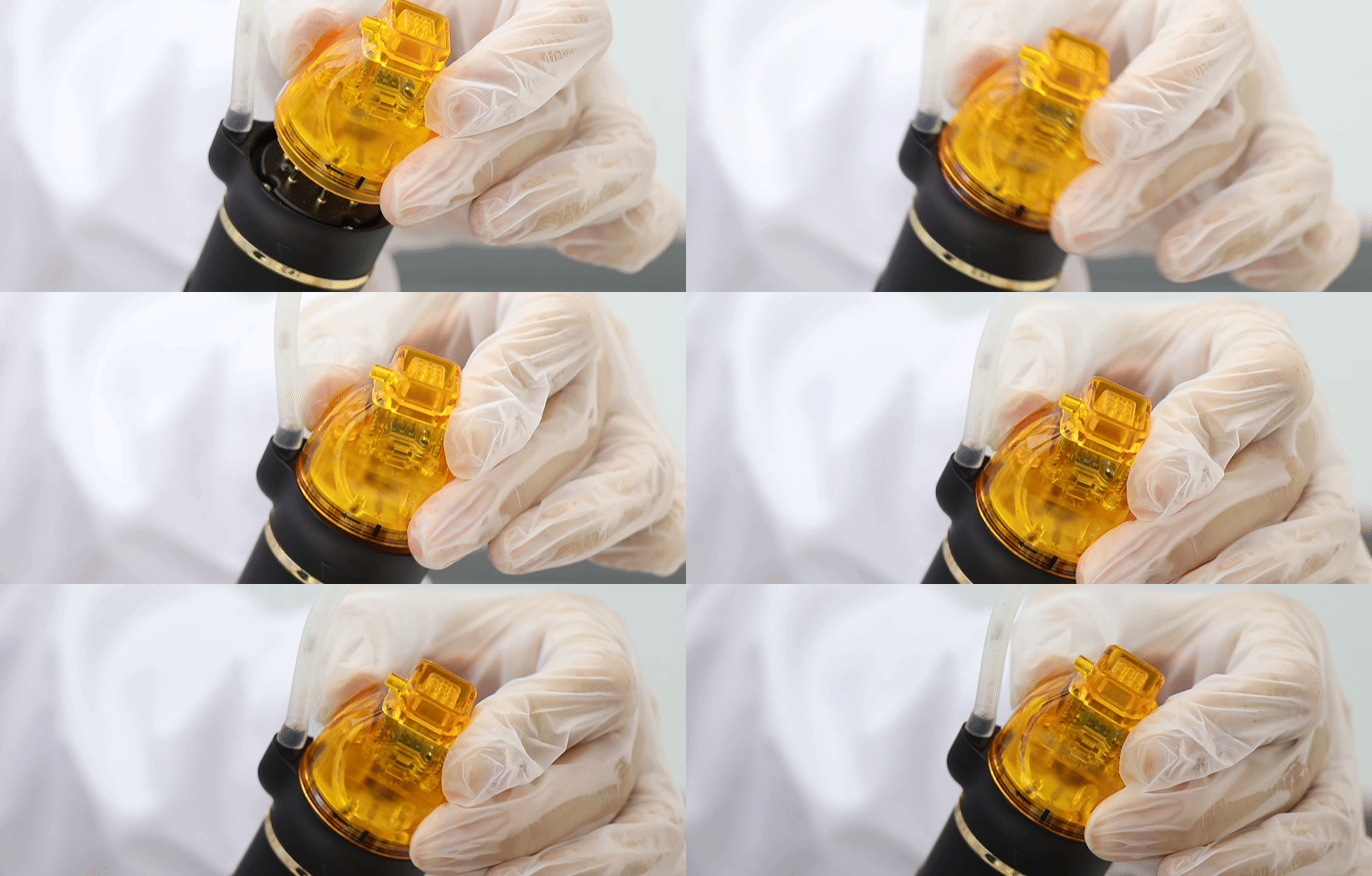
Common RF Microneedling Treatment Indications
Since the initial invention of microneedling, advances have been made to improve the desired effects. RF microneedling is commonly used for:
- Acne scars
- Enlarged pores
- Fine lines
- Wrinkles
- Skin laxity
- Neck rejuvenation
- Stretch marks
- Post-inflammatory pigmentation
- Uneven skin texture
- Hyperhidrosis
- Hair restoration
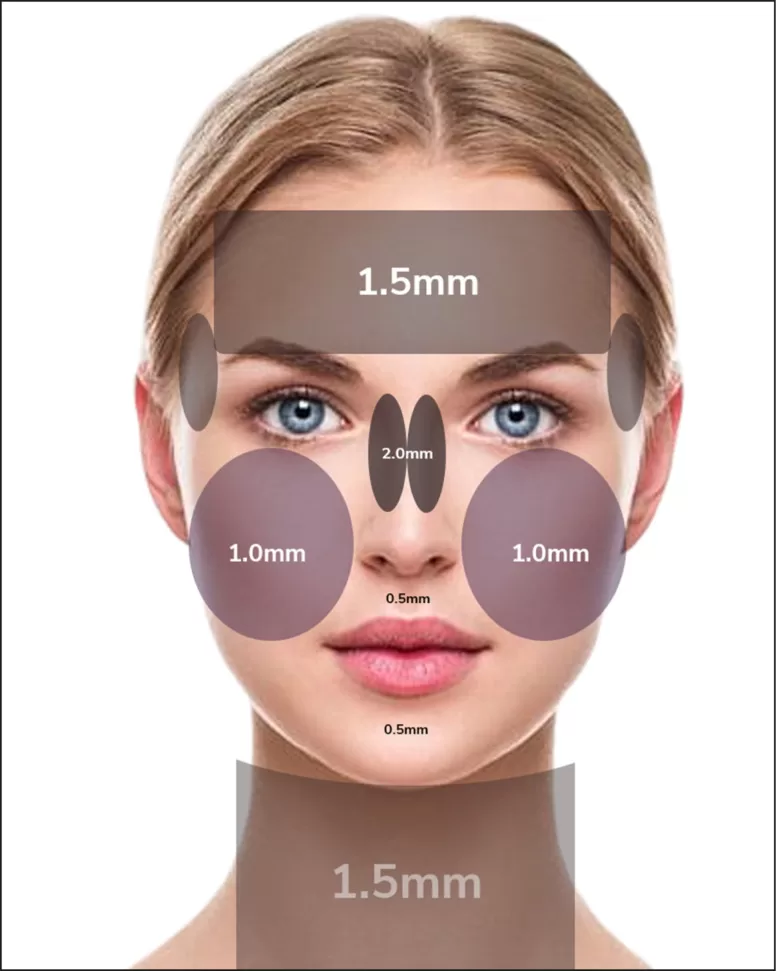
Recommended Needle Depths for Different Indications
| Treatment Area / Indication | Recommended Depth |
|---|---|
| Product Absorption / Skin Glow | 0.25 mm |
| Fine Lines & Superficial Texture | 0.5 mm |
| Enlarged Pores | 0.5 – 1.0 mm |
| Pigmentation | 0.5 – 1.0 mm |
| Acne Scars | 1.5 – 2.5 mm |
| Deep Wrinkles | 1.5 – 2.0 mm |
| Skin Tightening | 1.0 – 2.0 mm |
| Stretch Marks | 2.0 – 3.0 mm |
| Scalp / Hair Restoration | 0.5 – 1.5 mm |
| Neck Rejuvenation | 0.5 – 1.5 mm |
Why Clinics Are Choosing RF Microneedling
Modern aesthetic clinics increasingly prefer RF microneedling because it provides:
- Multi-functional treatment capability
- Minimal downtime
- Strong ROI for clinics
- High patient satisfaction
- Year-round treatment flexibility
- Combination therapy compatibility
RF microneedling can also be combined with:
- CO2 fractional laser
- Pico laser
- HIFU
- PRP therapy
- Exosome therapy
- LED therapy
This versatility makes RF microneedling one of the most profitable and in-demand treatments in medical aesthetics.
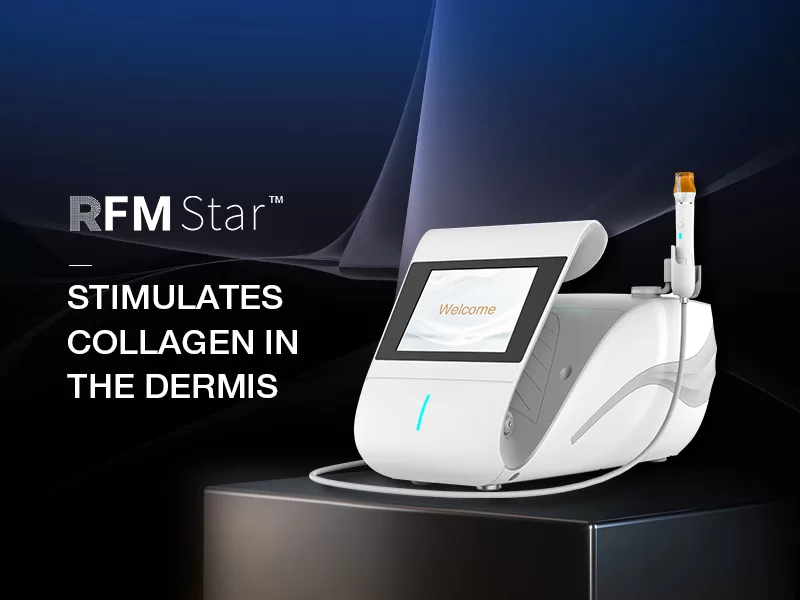
Professional RF Microneedling Solution by PZLASER
For clinics seeking advanced skin rejuvenation technology, the PZLASER RF Microneedling system provides professional-grade performance with customizable treatment parameters for various skin indications.
Key features include:
- Adjustable needle depth
- Fractional RF energy delivery
- Stable energy output
- Minimal epidermal damage
- Multiple treatment modes
- Suitable for acne scars, tightening, pores, and rejuvenation
- User-friendly intelligent interface
Frequently Asked Questions About RF Microneedling
RF microneedling is generally considered more advanced because it combines mechanical stimulation with radio frequency energy, providing stronger collagen remodeling and skin tightening effects.
Most treatments are well tolerated with topical anesthesia. Modern systems are designed to improve patient comfort.
Most patients require 3–6 sessions, depending on the indication and skin condition.
Yes. RF microneedling is considered safer for darker skin compared with aggressive ablative laser procedures because it causes less epidermal damage.
Mild redness and swelling may last 1–3 days, depending on treatment intensity.
RF microneedling is suitable for adults experiencing acne scars, enlarged pores, early aging, or skin laxity.
Conclusion
From traditional derma rollers to advanced RF microneedling systems, microneedling technology has evolved into a highly effective solution for skin rejuvenation, scar remodeling, and anti-aging treatments.
With adjustable treatment depths, enhanced collagen stimulation, and minimal downtime, RF microneedling is becoming an essential device for aesthetic clinics and dermatology centers. Professional systems like PZLASER RF Microneedling provide clinics with versatile treatment options and reliable performance to meet the growing demand for non-surgical skin rejuvenation treatments.