
What Is the Best Laser for Pigmentation Removal?
The best laser for pigmentation removal depends on the type, depth, and underlying cause of pigmentation. Different laser technologies target pigment at different skin depths, making treatment selection essential for achieving safe and effective results.
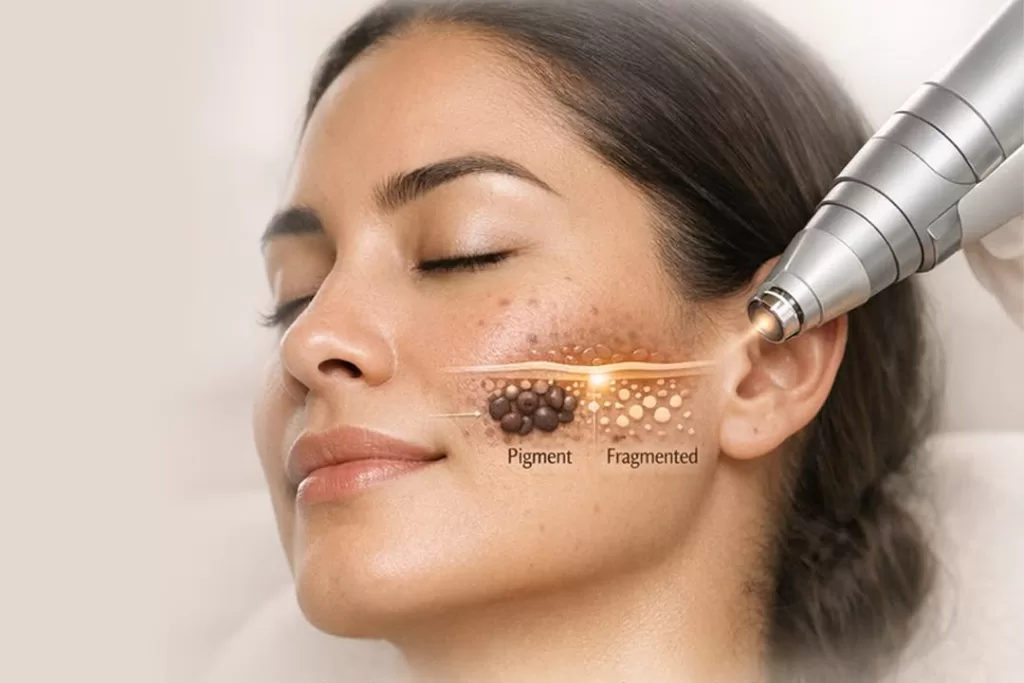
Picosecond lasers are widely regarded as the gold standard for treating melasma, freckles, age spots, and other pigment-related concerns because they deliver ultra-short pulses that break pigment into tiny particles while minimizing thermal damage to surrounding tissue.
1927nm thulium lasers are highly effective for sun damage and superficial pigmentation, while fractional CO₂ lasers are often preferred for deeper pigmentation combined with skin resurfacing. In 2026, many aesthetic clinics achieve the best outcomes by combining multiple laser technologies to address different pigmentation concerns and skin layers.
Introduction
Pigmentation disorders remain one of the most common aesthetic concerns worldwide. Conditions such as melasma, sun spots, age spots, freckles, and post-inflammatory hyperpigmentation (PIH) affect millions of patients and continue to drive demand for advanced aesthetic treatments. Laser for Pigmentation Removal has emerged to meet the demand.
As laser technology evolves, clinics are increasingly seeking the most effective laser for pigmentation removal to deliver predictable results while minimizing downtime and treatment risks. However, not all pigmentation conditions are the same. Different types of pigment occur at different skin depths and respond differently to laser wavelengths.
This blog explores the leading pigmentation treatment technologies available in 2026 and helps aesthetic professionals determine which laser systems offer the best clinical outcomes and business opportunities.
What Causes Skin Pigmentation?
Skin pigmentation occurs when excess melanin accumulates within the epidermis or dermis. While melanin is a natural pigment that protects the skin from ultraviolet radiation, various internal and external factors can trigger uneven pigment production.
Common Types of Pigmentation
Freckles
Small, concentrated spots of melanin are often influenced by genetics and sun exposure.
Sun Spots (Solar Lentigines)
Pigmented lesions caused by long-term UV exposure and photoaging.
Age Spots
Typically appear in mature skin due to cumulative sun damage.
Melasma
A chronic pigmentation condition often associated with hormonal changes and UV exposure.
Post-Inflammatory Hyperpigmentation (PIH)
Dark spots that develop after acne, injury, or skin inflammation.
Because each condition involves different pigment depths and biological mechanisms, choosing the right laser for pigmentation removal is critical for successful treatment.
How Does a Laser for Pigmentation Removal Work?
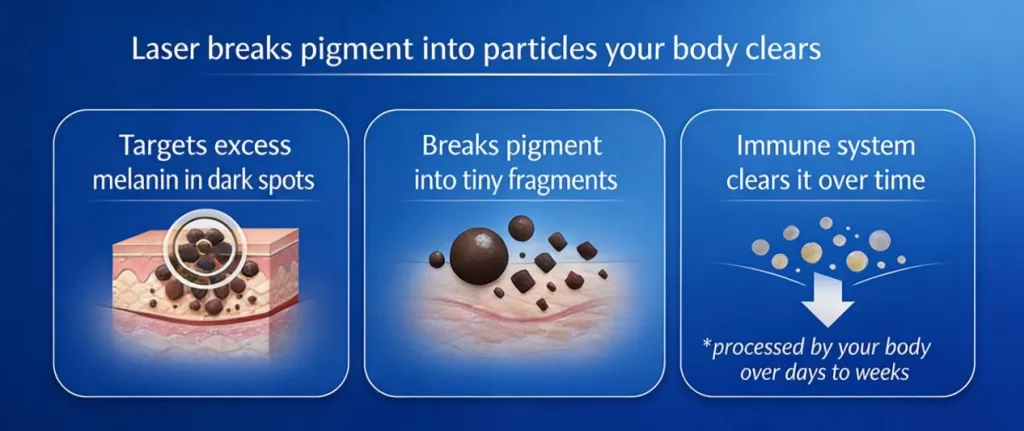
Most pigmentation lasers utilize the principle of selective photothermolysis. Specific wavelengths target melanin while minimizing damage to surrounding tissues.
The treatment process typically follows four stages:
- Laser energy targets melanin.
- Pigment particles absorb the energy.
- Pigment fragments break into smaller particles.
- The body's lymphatic system gradually eliminates the fragmented pigment.
Modern laser technologies improve treatment precision, reduce thermal injury, and shorten recovery time compared to earlier-generation devices.
Which Laser Is Best for Different Pigmentation Conditions?
Best Laser for Melasma
Picosecond Laser
Melasma is notoriously difficult to treat because heat can worsen pigmentation. Picosecond technology minimizes thermal injury while effectively fragmenting pigment particles, making it one of the preferred treatment options.
Best Laser for Sun Spots
1927nm Thulium Laser
Sun spots are generally superficial and respond exceptionally well to epidermal resurfacing technologies such as thulium lasers.
Best Laser for Freckles
Picosecond Laser
Freckles contain concentrated melanin deposits that can be effectively fragmented using ultra-short pulse durations.
Best Laser for Photoaging
1927nm + 1550nm Dual Laser Systems
Combining pigment correction with collagen stimulation addresses both discoloration and overall skin quality.
Best Laser for Pigmentation with Acne Scars
Fractional CO₂ Laser
When pigmentation is accompanied by textural irregularities, fractional CO₂ technology can improve both concerns simultaneously.
Laser Comparison for Pigmentation Removal
| Technology | Best For | Downtime | Sessions | Skin Types |
|---|---|---|---|---|
| Picosecond Laser | Melasma, Freckles, Age Spots | Low | 2–5 | I–VI |
| 1927nm Thulium Laser | Sun Damage, Photoaging | Very Low | 2–4 | I–IV |
| Fractional CO₂ Laser | Deep Pigmentation, Skin Resurfacing | Moderate | 1–3 | I–IV |
| IPL | Mild Pigmentation | Minimal | 4–6 | I–III |
For most clinics, picosecond and thulium technologies currently offer the best balance between efficacy, safety, patient satisfaction, and return on investment.
Why Many Clinics Use Combination Treatments in 2026
A major trend in aesthetic medicine is combination therapy.
Rather than relying on a single device, clinics increasingly combine technologies to improve outcomes and expand treatment options.
Picosecond Laser + Thulium Laser
Ideal for:
- Melasma
- Sun Damage
- Uneven Skin Tone
- Skin Brightening
Thulium Laser + Fractional CO₂ Laser
Ideal for:
- Pigmentation
- Texture Improvement
- Skin Resurfacing
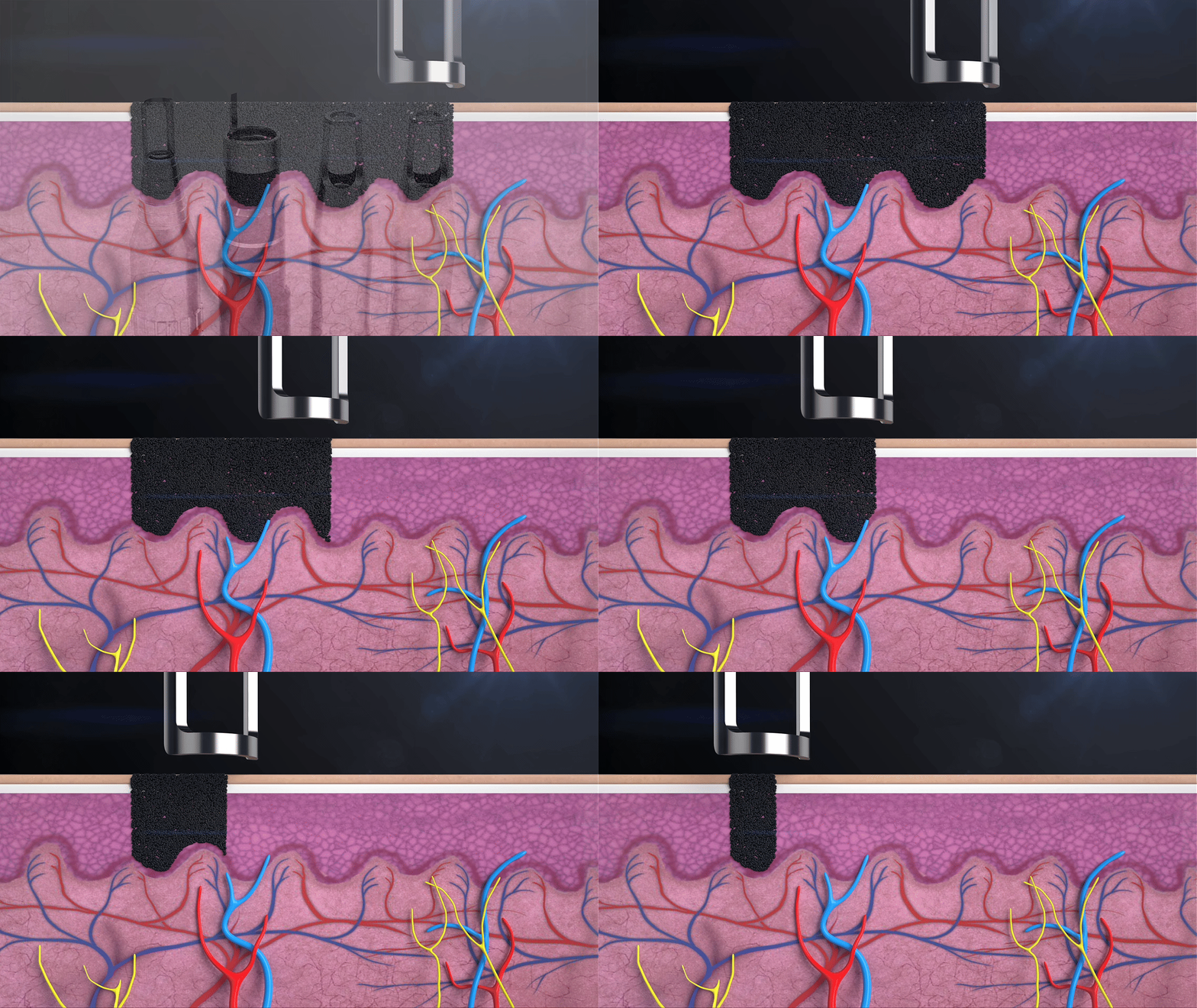
Picosecond Laser + RF Microneedling
Ideal for:
- Pigmentation
- Enlarged Pores
- Acne Scars
- Skin Rejuvenation
Combination protocols often produce superior patient satisfaction and increase treatment revenue per patient.
How to Choose the Right Laser for Pigmentation Removal for Your Clinic?
When investing in a pigmentation treatment platform, clinics should consider several factors:
Patient Demographics
Different skin types require different laser technologies.
Treatment Demand
Understand whether your primary demand is melasma, sun damage, rejuvenation, or multi-indication treatments.
Return on Investment
Multi-functional platforms generally offer greater revenue potential.
Downtime Expectations
Patients increasingly prefer effective treatments with minimal recovery time.
Regulatory Certifications
FDA, CE, and MDR certifications provide additional confidence in product quality and compliance.
Recommended Pigmentation Removal Solutions from PZLASER
Different pigmentation concerns require different treatment technologies. Explore PZLASER's most popular solutions for melasma, sun damage, photoaging, and pigmentation management.
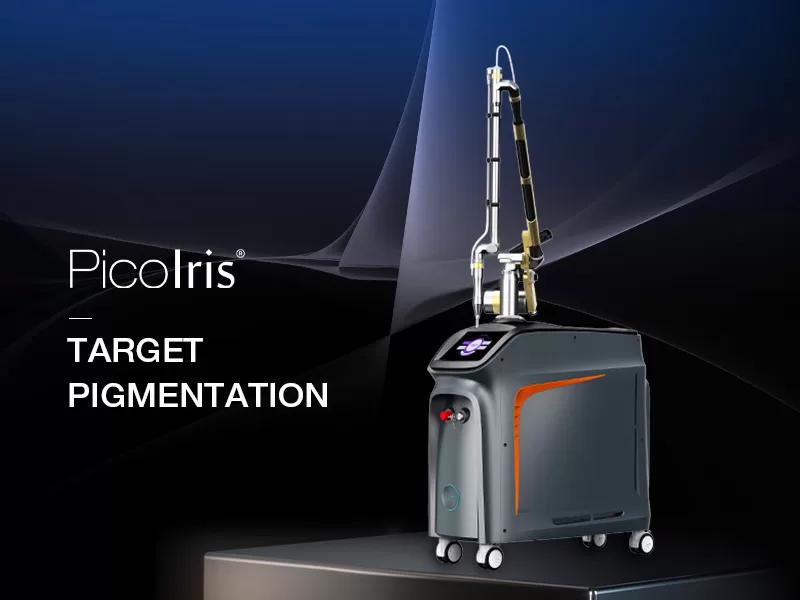
PicoIris Picosecond Laser
Advanced picosecond technology designed for efficient pigment fragmentation with minimal downtime.
Best For: Melasma · Freckles · Age Spots · Tattoo Removal
Learn More →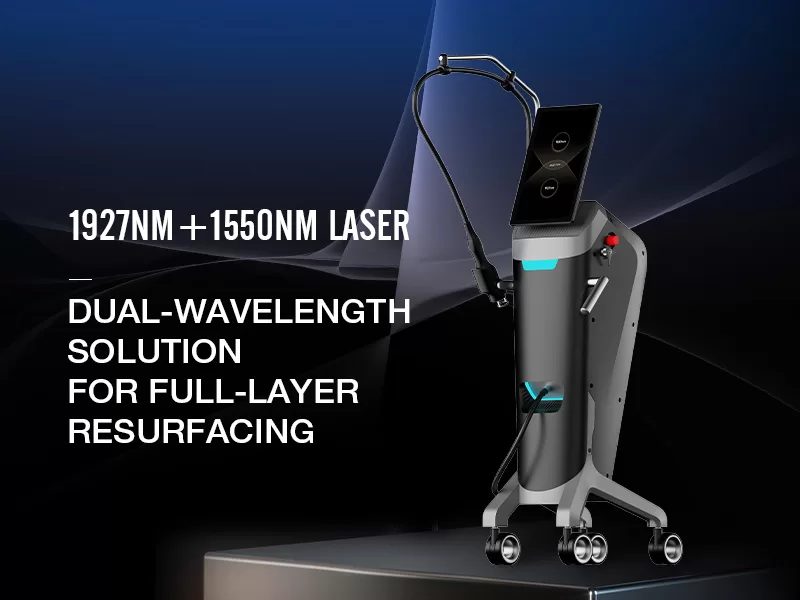
1927nm + 1550nm Dual Laser
A dual-wavelength platform developed for pigmentation correction, photoaging treatment, and skin rejuvenation.
Best For: Sun Damage · Photoaging · Skin Brightening
Watch Video →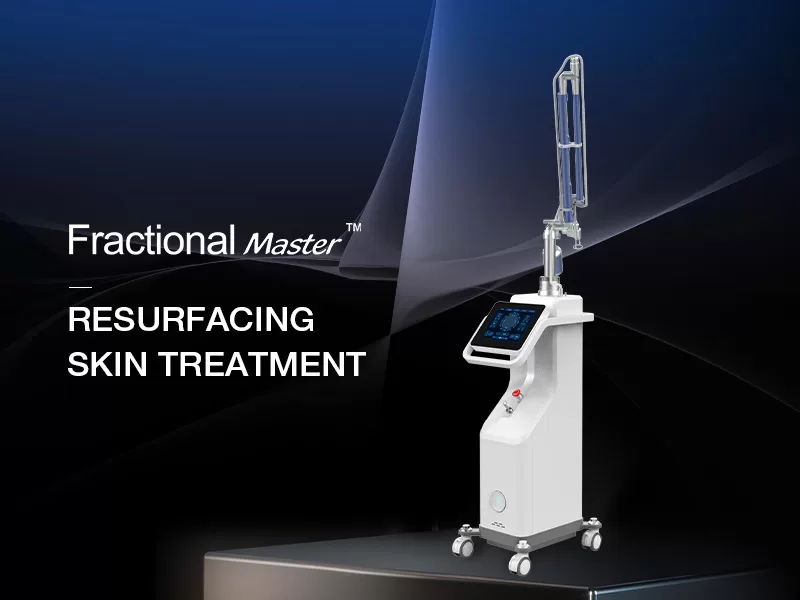
Fractional Master CO₂ Laser
Fractional resurfacing technology that combines pigmentation correction with collagen remodeling.
Best For: Deep Pigmentation · Acne Scars · Skin Resurfacing
Learn More →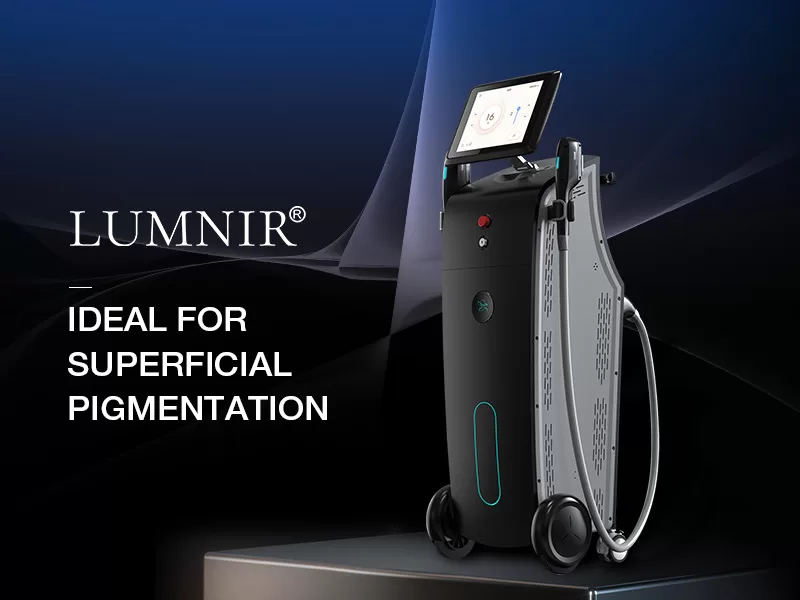
DPL + NIR System
Combining Dynamic Pulsed Light (DPL) with Near-Infrared (NIR) technology, this platform targets pigmentation concerns while supporting overall skin rejuvenation and patient comfort.
Best For: Pigmentation · Redness · Photorejuvenation · Skin Tone Improvement
Learn More →Frequently Asked Questions About Laser for Pigmentation Removal
The most effective laser for pigmentation removal depends on the condition being treated.
Picosecond lasers are widely regarded as the gold standard for melasma, freckles, and age spots because they break pigment particles into smaller fragments with minimal thermal damage.
In many cases, yes. Picosecond lasers deliver energy in trillionths of a second, creating a stronger photoacoustic effect while generating less heat. This allows for faster pigment clearance, fewer treatment sessions, and a lower risk of post-inflammatory hyperpigmentation.
The number of sessions depends on the severity and type of pigmentation.
Freckles: 1–3 sessions
Sun Spots: 1–3 sessions
Melasma: 3–6 sessions
PIH: 2–5 sessions
A qualified practitioner should always develop a personalized treatment plan.
Yes. Conditions such as melasma can recur due to sun exposure, hormonal changes, and lifestyle factors. Proper sun protection and maintenance treatments are important for long-term results.
Combining picosecond technology with thulium or fractional CO₂ systems can further expand treatment offerings and improve patient satisfaction.
Looking for Professional Pigmentation Treatment Devices?
PZLASER offers advanced Picosecond Laser, 1927nm Thulium Laser, and Fractional CO₂ Laser systems designed to help aesthetic clinics achieve effective pigmentation treatment results, improve patient satisfaction, and grow their aesthetic business.
Conclusion
There is no single best laser for pigmentation removal. The ideal solution depends on the type of pigmentation, skin condition, and treatment objectives.
In 2026, picosecond lasers remain the preferred choice for melasma and pigment correction, while 1927nm thulium lasers continue to gain popularity for superficial pigmentation and photoaging. Fractional CO₂ lasers remain valuable for patients seeking comprehensive skin resurfacing and rejuvenation.
For aesthetic clinics, investing in versatile and clinically proven pigmentation technologies can improve patient outcomes, increase treatment demand, and strengthen long-term business growth. PZLASER will help your clinic make the optimal investment, ensuring that every client receives excellent treatment.