
AI Summary
Collagen banking is a preventive aesthetic strategy focused on preserving and stimulating collagen production before significant signs of aging appear. Rather than waiting for wrinkles, skin laxity, and volume loss to develop, patients proactively invest in treatments that encourage continuous collagen remodeling and skin regeneration.
Introduction
The aesthetic industry is constantly evolving, but one concept has rapidly become a major focus among dermatologists, aesthetic physicians, and patients alike: collagen banking.
This shift has transformed how clinics approach anti-aging treatments. In 2026, collagen banking is no longer considered a trend. It is becoming a long-term strategy for maintaining healthy, youthful skin. But what exactly is collagen banking, and which technologies are most effective for stimulating collagen production?
This blog explores the science behind collagen preservation and the devices shaping the future of skin rejuvenation.
What Is Collagen?
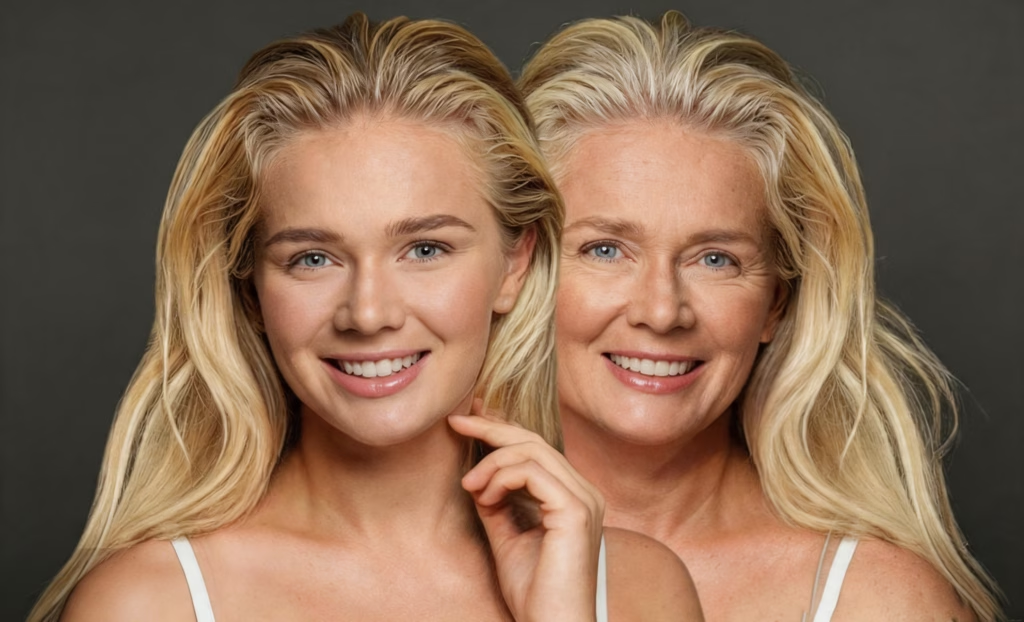
Collagen is the most abundant structural protein in the human body. It acts as the framework that supports the skin, helping it remain firm, smooth, elastic, and resilient.
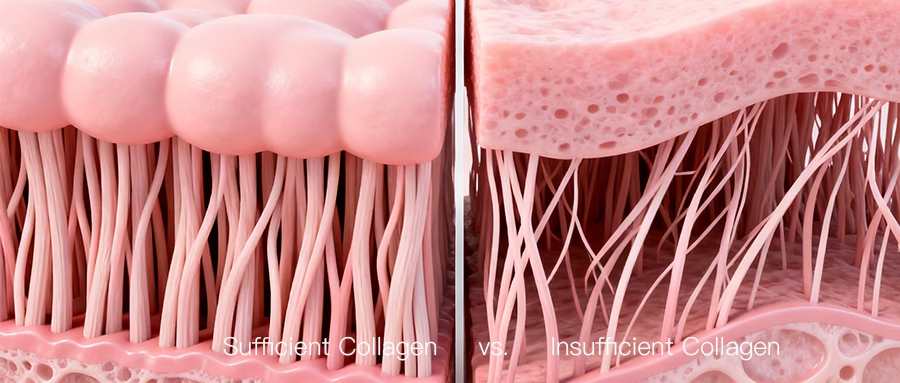
Collagen fibers are primarily found within the dermis, where they provide strength and structure. When collagen levels are high, skin appears plump, tight, and youthful.
However, collagen production naturally declines with age.
Research suggests that collagen production begins decreasing as early as the mid-to-late twenties. By the age of 40, many individuals have already lost a significant percentage of their natural collagen reserves. External factors such as UV exposure, pollution, smoking, poor sleep, and chronic stress can accelerate this process.
The result is a gradual development of:
- Fine lines
- Wrinkles
- Enlarged pores
- Skin laxity
- Uneven texture
- Reduced elasticity
Today, collagen banking aims to prevent them from becoming severe in the first place.
What Does Collagen Banking Mean?
Collagen banking refers to proactively preserving and stimulating collagen production over time.
Think of it like a retirement savings account. Instead of waiting until your skin loses significant structural support, you consistently invest in treatments that promote collagen synthesis and slow collagen degradation.
The objective is not necessarily a dramatic transformation. Rather, it is maintaining skin quality year after year.
Patients who adopt collagen banking strategies often seek:
- Prevention of premature aging
- Long-term skin firmness
- Improved elasticity
- Better skin texture
- Natural-looking rejuvenation
- Reduced need for invasive procedures later in life
This preventative philosophy aligns perfectly with the growing demand for natural results and low-downtime aesthetic treatments.
Why Is Collagen Banking Becoming So Popular in 2026?
Several factors have contributed to the popularity of collagen banking.
1. Younger Patients Are Seeking Preventive Treatments
Patients in their late twenties and thirties are increasingly interested in preserving skin quality rather than correcting advanced aging. Prevention is often more predictable than restoration.
2. Demand for Natural Results
Modern patients generally prefer subtle improvements over dramatic changes.
Collagen stimulation treatments gradually improve the skin from within, producing results that appear natural rather than artificial.
3. Advances in Energy-Based Devices
Technologies have become more sophisticated, allowing clinicians to target different skin layers with greater precision and less downtime.
4. Increased Awareness of Skin Longevity
Consumers increasingly view skin health as a long-term investment rather than a short-term cosmetic goal.
As a result, collagen banking has become one of the most discussed concepts in modern aesthetic medicine.
How Do Collagen-Stimulating Devices Work?
Most collagen induction technologies create controlled thermal or mechanical stimulation within the skin.
This process activates the body's natural wound-healing response. During healing, fibroblasts become more active and begin producing:
- New collagen fibers
- Elastin
- Hyaluronic acid
- Extracellular matrix components
Over time, this remodeling process improves skin quality and structural support. Different technologies achieve this effect through different mechanisms.
Top Devices Recommendations for Collagen Banking in 2026
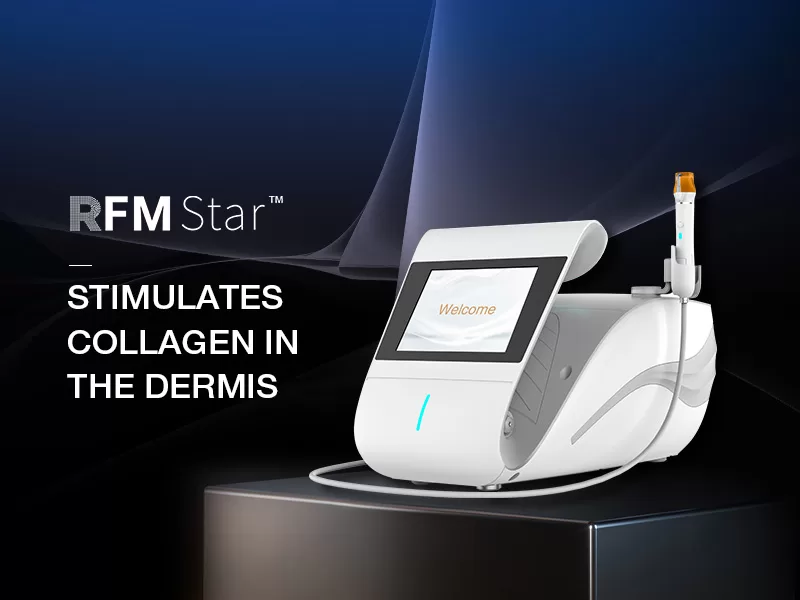
1. RF Microneedling: RFMStar
RF Microneedling remains one of the most versatile collagen-stimulating treatments available. The technology combines insulated microneedles with radiofrequency energy.
As the needles penetrate the skin, RF energy is delivered directly into the dermis, creating controlled thermal zones that stimulate collagen remodeling.
Benefits
- Improves skin texture
- Reduces acne scars
- Tightens mild skin laxity
- Minimizes pores
- Suitable for multiple skin types
- Relatively low downtime
Because it targets both superficial and deeper tissue layers, RF microneedling is widely considered one of the strongest collagen banking treatments available today.
For clinics seeking long-term anti-aging solutions, devices such as RF Microneedling platforms have become essential components of a collagen preservation strategy.
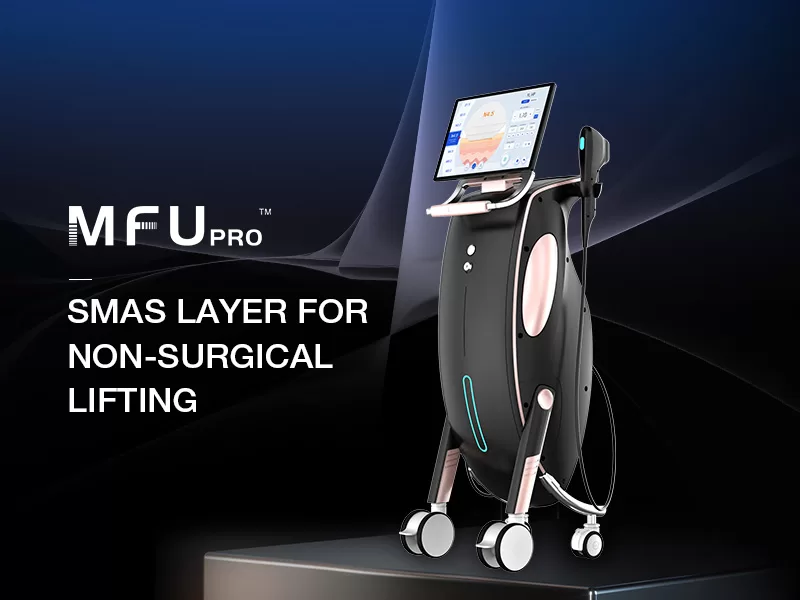
2. HIFU (High-Intensity Focused Ultrasound): MFUPRO
HIFU has become a cornerstone technology for non-surgical lifting and tightening. HIFU delivers focused ultrasound energy deeper into the tissue, including the SMAS layer commonly targeted during surgical facelifts.
Benefits
- Lifts sagging tissue
- Improves jawline definition
- Stimulates deep collagen production
- Non-invasive
- Minimal recovery time
Because collagen loss affects both the skin and the underlying support structures, HIFU is often combined with surface-level treatments to achieve comprehensive collagen banking.
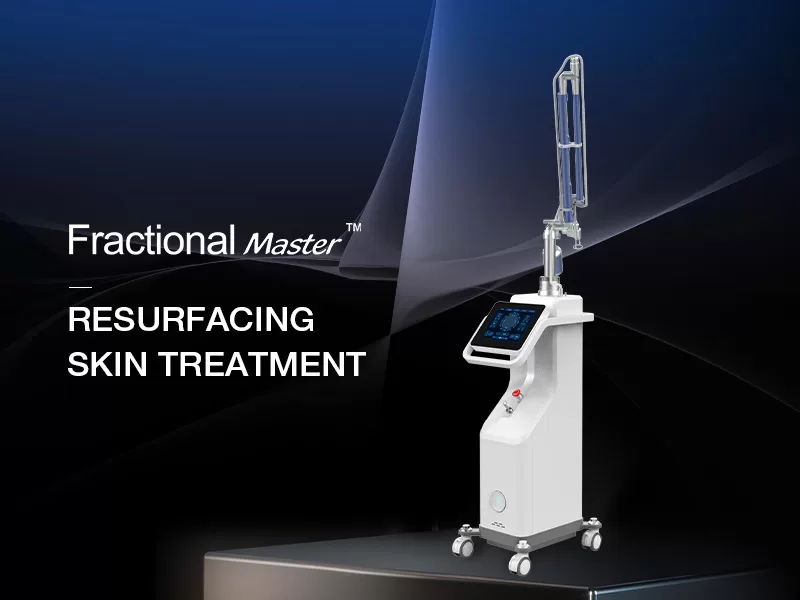
3. Fractional CO2 Laser: Fractional Master
Fractional CO2 laser remains one of the most powerful collagen remodeling technologies available.
The laser creates microscopic treatment zones within the skin while leaving surrounding tissue intact. This stimulates extensive collagen regeneration and skin resurfacing.
Benefits
- Significant wrinkle reduction
- Scar improvement
- Texture refinement
- Skin tightening
- Long-lasting collagen remodeling
Although downtime is generally greater compared with RF microneedling or HIFU, the fractional CO2 laser often delivers some of the most dramatic collagen-building results. For patients seeking intensive skin rejuvenation, CO2 technology continues to be a gold standard.
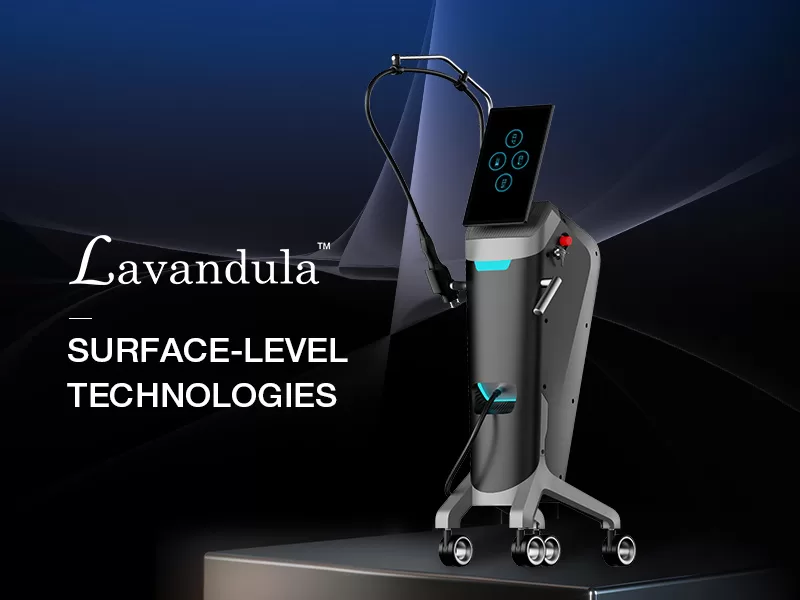
4. 1927nm Thulium Laser: Lavandula
The 1927nm thulium laser has gained tremendous popularity due to its balance between efficacy and recovery time.
Originally recognized for pigmentation treatments, clinicians increasingly appreciate its ability to stimulate collagen while improving overall skin quality.
Benefits
- Improves pigmentation
- Enhances skin texture
- Supports collagen remodeling
- Low downtime
- Suitable for preventative treatments
The 1927nm wavelength targets water-rich tissue with high precision, making it an attractive option for younger patients interested in collagen banking without significant recovery periods.
5. Dual-Wavelength 1550nm + 1927nm Lasers
Combination laser systems are becoming increasingly popular because aging is a multi-layered process. A dual-wavelength platform can simultaneously address:
1550nm
- Dermal remodeling
- Scar reduction
- Deep collagen stimulation
1927nm
- Pigmentation
- Surface texture
- Epidermal rejuvenation
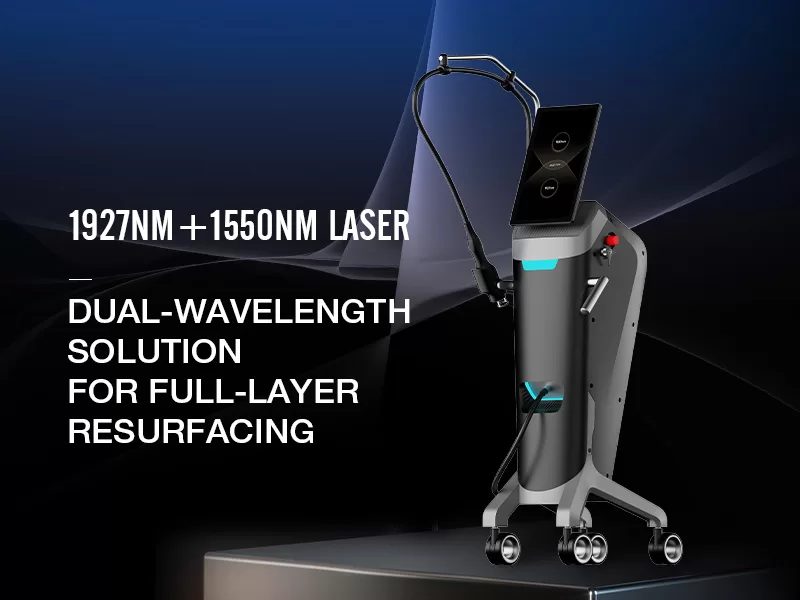
Together, these wavelengths create a comprehensive rejuvenation approach that supports long-term collagen preservation. This aligns with the growing trend toward combination therapy rather than relying on a single treatment modality.
Why Combination Treatments Are Dominating Collagen Banking Protocols
One of the biggest shifts in 2026 is the rise of multi-modality treatment plans. Rather than using a single device, clinics increasingly combine technologies to target multiple layers of aging.
A common protocol may include:
| Treatment | Primary Target |
|---|---|
| RF Microneedling | Mid Dermis |
| HIFU | Deep Structural Layers |
| CO2 Laser | Surface Resurfacing |
| 1927nm Laser | Pigmentation & Texture |
By addressing aging from multiple angles, clinicians can achieve more comprehensive collagen stimulation while maintaining natural-looking results.
When Should Patients Start Collagen Banking?
There is no universal age.
However, many experts recommend beginning preventative collagen stimulation between the ages of 25 and 35. This does not necessarily mean aggressive treatment.
For younger patients, collagen banking may involve:
- Annual RF microneedling
- Periodic thulium laser treatments
- Consistent sun protection
- Professional skincare
- Healthy lifestyle habits
The objective is maintenance rather than correction. Patients who start earlier often require fewer intensive procedures later.
The Future of Collagen Banking
As aesthetic medicine continues to evolve, collagen banking is expected to become a central treatment philosophy rather than a niche concept.
Future developments will likely focus on:
- AI-powered skin analysis
- Personalized treatment protocols
- Multi-modality device platforms
- Preventative skin longevity programs
- Lower downtime collagen stimulation technologies
Clinics that embrace these trends will be better positioned to meet growing patient demand for natural, long-term rejuvenation.
FAQs about collagen banking
Collagen banking is a preventative skincare strategy focused on preserving and stimulating collagen production before significant signs of aging develop.
Fractional CO2 laser and RF microneedling are generally considered among the most effective collagen-stimulating technologies available today.
Collagen banking is not a replacement for anti-aging treatments. It is a preventative approach designed to reduce future collagen loss and maintain skin quality over time.
Many aesthetic professionals recommend beginning collagen preservation strategies between the ages of 25 and 35, depending on skin condition and lifestyle factors.
Popular collagen-stimulating devices include RF Microneedling, HIFU, Fractional CO2 Laser, 1927nm Thulium Laser, and dual-wavelength 1550nm/1927nm laser systems.
Conclusion
Collagen banking represents a shift from reactive anti-aging treatments to proactive skin preservation.
Rather than waiting for visible aging to occur, patients are increasingly investing in technologies that maintain collagen production and support skin health over time.
In 2026, leading collagen-stimulating technologies include RF Microneedling, HIFU, Fractional CO2 Laser, 1927nm Thulium Laser, and dual-wavelength resurfacing systems. Each technology targets different layers of the skin and can play a valuable role in a comprehensive collagen banking strategy.
PZLASER empowers clinics with collagen banking, giving your business the ability to anticipate risks.