
Introduction
Choosing a professional diode laser hair removal machine involves more than comparing prices, power ratings, or wavelengths. The right system should match your client population, treatment workflow, business goals, and local regulatory requirements.
For clinics, this means evaluating treatment capabilities alongside cooling, handpiece ergonomics, training, and maintenance. For distributors, it also means considering market positioning, customization, documentation, and the manufacturer's ability to provide ongoing support.
This guide explains how diode laser hair removal works, which equipment features deserve attention, and why a needs-based approach to configuration matters. It also introduces the EosICE® series and explains how PZLASER combines personalized customization, MDR certification, after-sales service, and technical support.
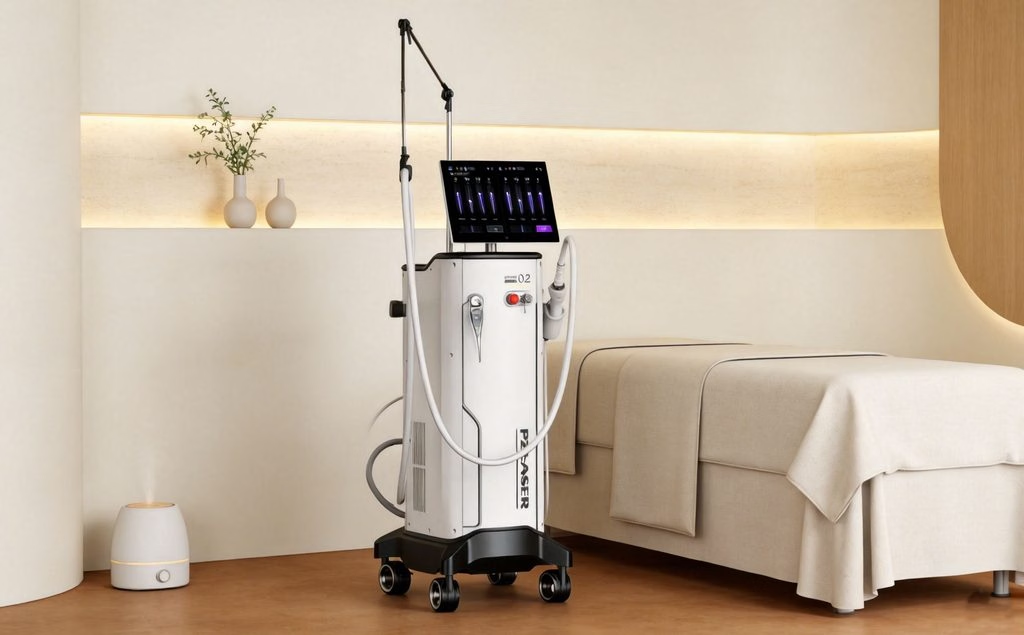
Understanding Diode Laser Hair Removal Technology
How Does Diode Laser Hair Removal Work?
Diode laser hair removal uses light energy to produce a targeted thermal effect in hair follicles. The underlying principle is selective photothermolysis: selected structures absorb light, convert it into heat, and receive a controlled thermal exposure.
Melanin in the hair absorbs laser energy. Under appropriate treatment conditions, the resulting heat can damage follicular structures involved in hair growth while limiting injury to surrounding tissue.
However, successful treatment depends on more than the laser wavelength. Energy delivery, pulse duration, cooling, skin characteristics, hair characteristics, and operator technique all influence the outcome.
The goal is generally long-term hair reduction, not a guarantee that every hair will disappear permanently. Results vary, and maintenance treatments may be necessary.
Why Are Multiple Treatment Sessions Needed?
Hair follicles move through different growth stages. Laser treatment is generally most effective when hairs are in the active growth phase, but not all follicles reach that stage simultaneously.
A series of treatments is therefore usually needed to address hairs as they enter suitable growth phases. Treatment schedules depend on the body area, individual response, device instructions, and professional assessment.
Hair color also matters. White, gray, and very light hair generally respond poorly to melanin-targeting laser treatment because they contain little suitable pigment.

What Do Different Laser Wavelengths Mean?
Wavelength affects how light interacts with melanin and travels through tissue. Diode laser systems may use a single wavelength or combine several wavelengths, depending on their design.
Commonly discussed options include wavelengths around 755 nm, 808 nm, 940 nm, and 1064 nm. Their roles must be interpreted in the context of the actual device, its energy distribution, and its validated operating parameters.
| Wavelength | General consideration | Buyer's evaluation point |
|---|---|---|
| 755 nm | Relatively greater melanin absorption than longer wavelengths | Assess suitability for the intended client population and validated protocols |
| 808 nm | Widely used in diode laser hair removal systems | Review available parameters, cooling, and supporting documentation |
| 940 nm | Included in some multi-wavelength configurations | Request an explanation of its role and evidence for the specific system |
| 1064 nm | Lower melanin absorption than shorter wavelengths | Evaluate the complete system rather than assuming wavelength alone establishes safety |
Evaluating a Professional Diode Laser Hair Removal Machine
Once the fundamentals are clear, the next step is to evaluate how the machine will perform within your actual working environment.
Start with Your Business and Client Needs
Before comparing models, define the requirements the equipment must meet.
Useful questions include:
- Which treatment areas will account for most appointments?
- What skin and hair characteristics are common among your clients?
- How many treatments do you expect to perform each day?
- What qualifications and training will operators need?
- Which regulatory requirements apply in your market?
- What service arrangements are necessary to keep the business operating?
These answers provide a practical framework for clinics for evaluating equipment.
Evaluate Handpieces and Spot Sizes
The handpiece is the part of the system operators interact with most directly. Its design can influence comfort, maneuverability, and workflow.
Larger treatment spots may support efficient coverage of broad areas such as legs or the back. Smaller spots can offer greater flexibility for appropriately indicated areas requiring more controlled positioning.
Handpiece weight and balance also matter. A design that feels manageable during a brief demonstration may feel different after repeated appointments.
When comparing options, review:
- Available spot sizes and their intended applications.
- Handpiece weight and ergonomics.
- The process for changing applicators or treatment tips.
- Cleaning and maintenance requirements.
- Replacement availability and costs.

Assess Cooling as Part of the Complete System
Cooling helps manage surface temperature and supports patient comfort during treatment. Different systems use different cooling arrangements.
Ask how cooling is maintained during repeated appointments, what environmental conditions the system requires, and which maintenance procedures support reliable operation.
Look Beyond the Purchase Price
The total cost of ownership includes more than the initial invoice.
Training, maintenance, replacement components, service access, and downtime can all affect the long-term value of a professional laser hair removal machine. A transparent service arrangement helps buyers plan more confidently.
From Equipment Requirements to EosICE® Customization
Once buyers understand the selection criteria, the next question is straightforward: how can those requirements be translated into a suitable machine configuration?
This is where customization becomes meaningful.
Why Different Markets Need Different Configurations
A standard configuration may serve some businesses well, but professional users do not all have identical requirements.
Clinics can differ in client demographics, treatment mix, appointment volume, and available workspace. Distributors may serve markets with different customer preferences, branding expectations, and documentation requirements.
Customization allows these differences to become part of the equipment discussion.
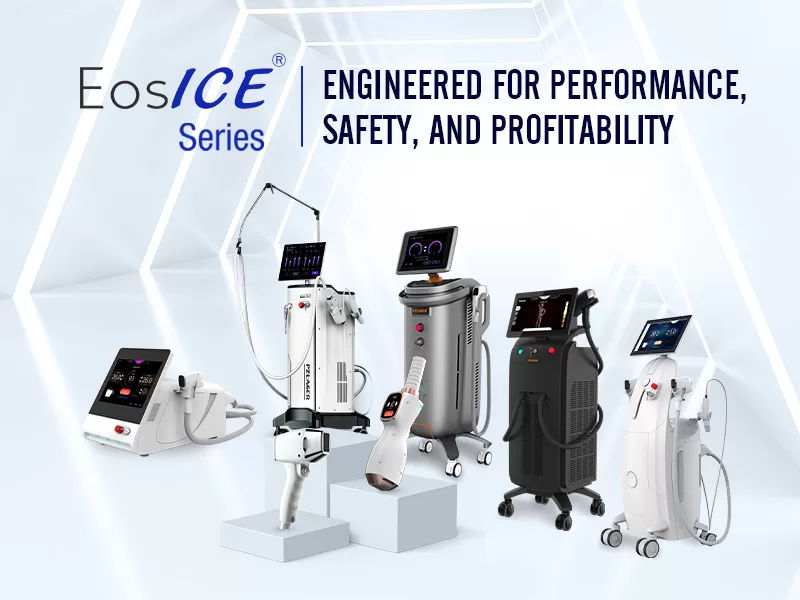
Introducing the EosICE® Series From PZLASER
The EosICE® series from PZLASER provides a starting point for businesses evaluating diode laser hair removal equipment and configuration options.
EOSICE® Diode Laser Hair Removal
EOSICE® is a professional multi-wavelength diode laser designed for efficient hair removal. Its flexible configuration combines four wavelength options with advanced cooling and multiple spot sizes to support different treatment needs.
Best for: Professional clinics, medspas, and high-demand hair removal services.
Customize →Which Elements Can Be Customized?
PZLASER's customization approach includes wavelength configurations, handpieces, and machine exteriors, depending on the selected platform and available options.
| Customization area | Potential business value | What to confirm |
|---|---|---|
| Wavelength configuration | Aligns equipment selection with intended applications and client needs | Available configurations, operating parameters, and documentation |
| Handpieces | Helps match ergonomics and treatment workflow | Compatible options, spot sizes, maintenance, and replacement support |
| Exterior design | Supports market positioning and visual differentiation | Available designs, dimensions, and production requirements |
| Exterior colors and styling | Helps align equipment appearance with a business identity | Confirmed options, order conditions, and delivery schedule |
Why Choose PZLASER?
Selecting an equipment manufacturer means selecting a long-term support relationship. PZLASER's value proposition extends beyond the machine itself.
Personalized Customization for Different Needs and Markets
PZLASER’s central strength is its ability to discuss equipment configurations around different business needs, markets, and user requirements.
Wavelengths, handpieces, and exterior design can be considered together rather than treated as unrelated features. This helps clinics and distributors explore a solution that better reflects their operational priorities and product positioning.
Advanced R&D, Product Design and Global Certifications
PZLASER combines in-house research and development, independent product design, and advanced manufacturing to deliver professional aesthetic equipment for global markets.
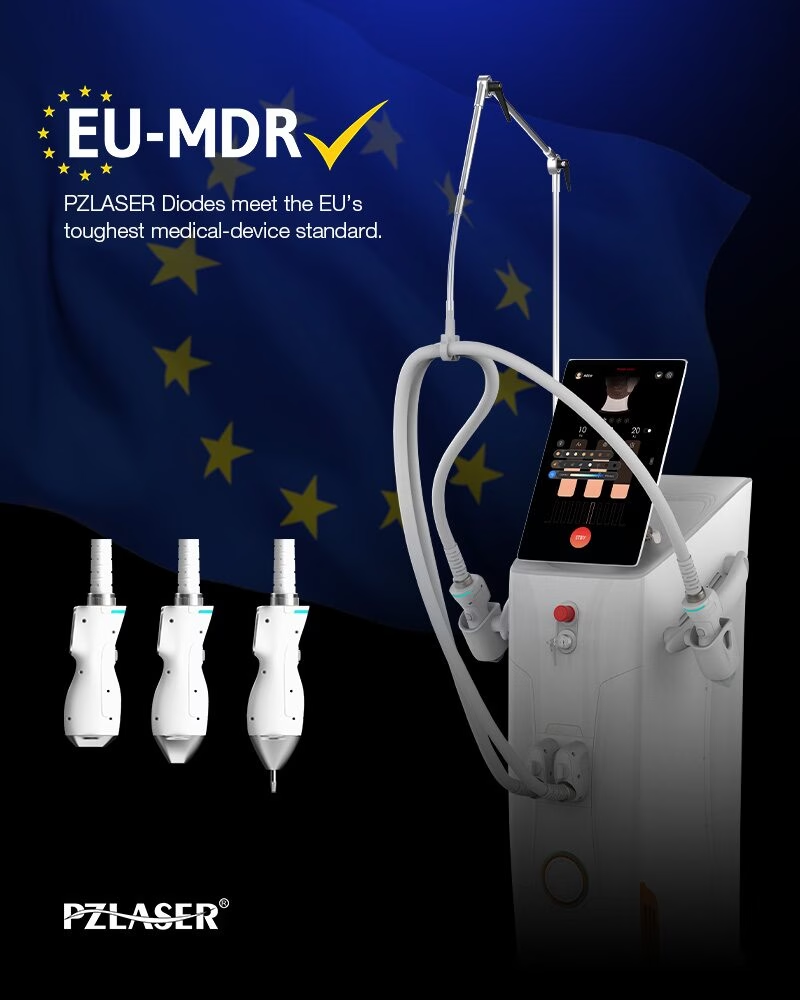
With certifications and regulatory credentials including MDR and FDA-related approvals, the company demonstrates its commitment to product quality, safety, and international compliance.
After-Sales Support Beyond Delivery
Equipment support becomes especially important after installation, when the machine enters everyday use.
PZLASER provides after-sales support to help customers address equipment-related issues and navigate service needs. Clear service responsibilities matter for both clinics and distributors.
Technical Support and Training
PZLASER's technical support complements the equipment by helping users understand operation, maintenance, and technical questions.
Training and support should be aligned with the selected model and the operator's responsibilities.
Technical guidance does not replace locally required professional qualifications or clinical judgment. It helps qualified users understand the equipment they operate.
A Long-Term Manufacturing Partnership
Customization, compliance documentation, after-sales service, and technical support work best as connected capabilities.
Together, they support a purchasing relationship that continues beyond delivery. For clinics, this means considering the equipment’s ongoing use. For distributors, it means assessing whether the manufacturer can support the product throughout its commercial lifecycle.
Frequently Asked Questions About Choosing a Diode Laser
The best machine is one that fits your clients, treatment services, and daily workload—not simply the model with the highest advertised power.
Compare the device's intended applications, wavelength configuration, handpiece ergonomics, cooling, and service support. Also check whether you can legally offer the treatments in your market. Before recommending an EosICE configuration, PZLASER can discuss your business requirements and available options to help you make a more informed choice.
Your budget should cover both the equipment and the costs of putting it into service. Depending on the quotation, shipping, import charges, training, accessories, and installation may be separate expenses.
Ask for an itemized quote and written warranty terms. Compare what each supplier includes rather than comparing prices alone. For customized equipment, confirm the final specifications and any additional costs before placing an order.
Diode lasers and IPL use different light technologies. Diode systems deliver selected laser wavelengths, while IPL uses a broader spectrum of filtered light.
For a business focused primarily on hair reduction, a dedicated diode laser system may be worth evaluating. Some IPL platforms offer additional applications, depending on the device. Neither technology is automatically better for every business: compare the specific equipment, supporting evidence, client suitability, operator requirements, and total ownership costs.
Yes, customization is available from some manufacturers, but its scope varies by platform. Depending on the available options, it may include wavelengths, handpieces, exterior styling, and colors.
PZLASER offers personalized EosICE configurations based on different business, market, and user requirements. Discuss your priorities early, then confirm the exact specifications, production conditions, and applicable documentation. Any changes must remain within validated technical specifications and relevant regulatory requirements.