
Quick Answer
Starting an aesthetic clinic in 2026 involves five core steps:
- Define your target patients and clinic positioning.
- Choose treatment categories based on local demand and staff capabilities.
- Create a realistic equipment and operating budget.
- Verify local licensing, device registration, and compliance requirements.
- Choose equipment manufacturers that can provide reliable technology, documentation, training, and after-sales support.
A new clinic does not need every aesthetic technology from day one. A practical starting portfolio can cover several complementary categories, such as hair removal, facial care, skin rejuvenation, skin tightening, and body contouring.
The goal is to build a treatment platform that can expand with the clinic rather than simply filling the clinic with machines.
Introduction
New clinic owners need to understand local market demand, define their treatment positioning, choose the right equipment, meet applicable regulatory requirements, build a qualified team, and create a treatment menu that can grow with the business.
For clinics in the United States and European markets, the opportunity remains significant. Grand View Research estimates that the U.S. medical spa market will reach approximately $10.3 billion in 2026, up from $9.1 billion in 2025. Its global medical spa research estimates the worldwide market at approximately $27.8 billion in 2026, with North America representing the largest regional share in 2025.
At the same time, the aesthetic medicine market continues to include a wide range of non-invasive and minimally invasive services, from hair removal and facial treatments to pigmentation management, skin tightening, resurfacing, and body contouring.
The key question for a new owner is therefore not simply “Which aesthetic machine should I buy?” but:
How can I build the right treatment platform for my target market and scale it over time?
This guide explains the Key Factors for Opening a Medical Aesthetics Clinic in 2026 and shows how a professional equipment manufacturer such as PZLASER can support the process.
Is 2026 a Good Time to Start an Aesthetic Clinic?
The medical spa and aesthetic services market continues to expand in the United States and other developed markets.
Grand View Research estimates that the U.S. medical spa market and the global medical spa market are estimated to reach approximately $27.8 billion in 2026. These reports also identify facial treatments, body shaping and contouring, hair removal, and scar revision among major service categories.
For new clinic owners, however, market growth does not automatically mean that every clinic model will succeed.
The more important question is:
What type of clinic do you want to build, and which treatments will support that positioning?
A clinic focused on laser hair removal will need a different equipment strategy from a skin rejuvenation clinic or a premium anti-aging medspa.
Before buying equipment, define:
- Your target patient group
- Your treatment focus
- Your local competition
- Your available treatment space
- Your practitioner capabilities
- Your initial equipment budget
- Your long-term expansion plan
This approach helps prevent a common startup mistake: purchasing expensive equipment before establishing a clear treatment strategy.
What Is Changing in the Aesthetic Clinic Market?
Several patterns are particularly relevant for new clinic owners.
1. Non-surgical treatments remain important
Modern patients can choose from a broad range of non-surgical and minimally invasive aesthetic procedures. This creates opportunities for clinics that build services around repeatable treatment programs rather than relying on a single procedure.
2. Skin quality and healthy aging are important treatment themes
Patients increasingly seek improvements in skin quality, texture, pigmentation, firmness, and overall appearance rather than focusing only on one dramatic cosmetic change.
Recent ASPS data also show continued demand for aesthetic procedures, with total cosmetic surgical procedure volume increasing in 2025.
3. Treatment versatility matters
A modern clinic may need to serve different skin types, age groups, treatment concerns, and budgets. This makes flexible platforms and complementary technologies increasingly useful.
4. Equipment selection is becoming more strategic
A clinic can lose money by buying machines simply because they are popular. A better approach connects every investment to a treatment category, target customer, expected utilization, and long-term clinic strategy.
8 Key Factors for Opening a Medical Aesthetics Clinic in 2026
1. Define Your Aesthetic Clinic Business Model
Before selecting equipment, define how the clinic will operate.
Identify Your Target Patients
Consider the type of patients you want to attract.
| Target Market | Possible Treatment Focus |
|---|---|
| Young adults | Hair removal, acne-focused treatments, facial care |
| Skin-conscious clients | Pigmentation, skin rejuvenation, resurfacing |
| Anti-aging clients | Skin tightening, RF, HIFU/MFU |
| Body-conscious clients | Body contouring, muscle stimulation, fat reduction |
| Broad medspa audience | Combination of facial, laser, skin and body services |
Your equipment strategy should follow your patient strategy—not the other way around.
Choose Your Clinic Positioning
A new clinic can focus on:
- Laser hair removal
- Skin rejuvenation
- Anti-aging
- Facial aesthetics
- Body contouring
- Comprehensive medical aesthetics
- A combination of several complementary services
The important point is to avoid trying to serve everyone from day one.
Ask:
Who is your ideal customer, and what treatments do they already look for?
Your equipment strategy should follow that answer.
2. Identify Your Target Market and Treatment Demand
Your local market should influence your equipment purchases.
Before signing a lease or placing a large equipment order, research:
- Local population and demographics
- Average household income
- Existing medspas and clinics
- Competitor treatment menus
- Local treatment pricing
- Popular search terms
- Customer reviews
- Underserved treatment categories
For example, a clinic located in a highly competitive urban market may need stronger differentiation in advanced skin treatments. A suburban clinic may find repeat services such as hair removal, facials, and skin maintenance more relevant.
Do not copy a competitor's treatment menu without understanding why it works for that market.
Instead, identify the gap:
What do local customers want, and what can your clinic provide consistently?
3. Choose the Right Aesthetic Treatments for Your Market
Once you understand your target customers, organize your treatment strategy by category.
| Treatment Category | Common Customer Need | Equipment Technology |
|---|---|---|
| Hair Removal | Unwanted hair | Diode Laser |
| Facial Care | Cleansing, hydration, maintenance | Hydrodermabrasion |
| Pigmentation | Uneven tone, selected pigment concerns | Picosecond Laser / DPL |
| Skin Tightening | Skin laxity and aging concerns | HIFU / MFU / RF |
| Skin Resurfacing | Texture, scars, wrinkles | Fractional CO₂ |
| Skin Rejuvenation | Overall skin quality | Pico / RF / NIR |
| Body Contouring | Body shaping | Cryolipolysis / RF / Electromagnetic |
| Combination Care | Multiple skin concerns | Multi-function platforms |
A new clinic does not need to offer every category immediately.
Instead, select the technologies that support your first treatment menu and add new platforms when demand becomes clear.
4. Which Aesthetic Machines Should You Buy First?
This is one of the most important decisions for a new aesthetic clinic.
Instead of selecting equipment by brand popularity or maximum specifications alone, evaluate each machine according to:
Treatment Demand
Will your target customers actively ask for this service?
Treatment Frequency
Can the machine support repeat appointments or treatment programs?
Versatility
Can the platform support different treatment areas or customer needs?
Workflow
Can practitioners operate it efficiently during a busy clinic day?
Training Requirements
Can your team receive appropriate training and build consistent protocols?
Compliance
Does the equipment have the documentation and market authorization required for your intended market and use?
After-Sales Support
Can you obtain technical assistance, spare parts, maintenance, and training when needed?
A good first machine is not necessarily the most expensive or most powerful machine. It is the one that fits your business model and can be used consistently.
5. Build Your First Aesthetic Treatment Menu
Starter Treatment Menu
A new clinic could begin with several complementary categories such as:
Hair Removal
Diode laser treatments can create a recurring treatment pathway for clients.
Facial Care
Hydrodermabrasion and facial treatments can support regular maintenance visits.
Skin Rejuvenation
Pico, NIR/DPL, or other skin-focused technologies can address different aesthetic concerns depending on the device's intended applications.
Body Contouring
A body platform can expand the menu for customers looking beyond facial treatments.
The goal is to create services that complement one another.
Growth-Stage Treatment Menu
Once the clinic develops a stable customer base, owners can consider adding:
- Picosecond laser
- HIFU/MFU
- RF microneedling
- Fractional CO₂
- Advanced body-contouring technologies
Advanced Treatment Platform
A mature clinic can eventually build a broader platform covering:
Hair + Skin + Body + Rejuvenation + Advanced Resurfacing
This phased strategy allows equipment investment to follow actual business demand rather than simply increasing the initial startup cost.
6. How Much Does It Cost to Start an Aesthetic Clinic?
There is no single startup cost that applies to every aesthetic clinic.
Costs vary significantly between cities, countries, clinic sizes, treatment categories, staffing models, and equipment choices.
A realistic startup budget should consider:
- Lease and deposit
- Renovation
- Furniture
- Licensing and legal expenses
- Insurance
- Medical or clinical staff
- Aesthetic equipment
- Consumables
- Treatment rooms
- Software and booking systems
- Website and marketing
- Training
- Initial inventory
- Working capital
Equipment Budget
Equipment often represents a major part of the initial investment, but buying more machines does not automatically create a better business.
A more practical approach is to divide equipment investment into stages.
Stage 1 — Core Services
Start with treatments that match your target customers and can support regular bookings.
Stage 2 — Treatment Expansion
Add technologies that address new customer concerns and create cross-selling opportunities.
Stage 3 — Advanced Services
Invest in more specialized technologies after the clinic has established demand and an experienced team.
This staged approach can help reduce unnecessary capital expenditure while keeping the clinic's service portfolio scalable.
7. Understand Licensing, Compliance and Device Requirements
Clinic owners should therefore verify:
- State-specific practice requirements
- Who is legally permitted to perform each treatment
- Medical director requirements where applicable
- Device status and authorization
- Laser safety requirements
- Professional training
- Insurance requirements
- Local facility requirements
Certification is not a substitute for local compliance. It is one part of the overall regulatory and quality process.
8. How to Choose an Aesthetic Equipment Manufacturer
Choosing the right supplier can influence the clinic long after the machine arrives.
1. Regulatory Documentation
Ask for relevant certification, declarations, technical documentation, and market-specific information.
2. R&D Capability
A manufacturer with a strong R&D structure can continue to improve platforms and develop new technologies.
3. Manufacturing Capability
Evaluate production capacity, quality control, component sourcing, and manufacturing consistency.
4. Technology Portfolio
A broad product portfolio can make future expansion easier.
5. Handpieces and Applicators
For laser and energy-based systems, the handpiece can have a major impact on workflow, ergonomics, treatment precision, and maintenance.
6. Training
A machine is only part of the treatment system. Operators also need appropriate training and protocols.
7. Technical Support
Ask how technical questions, troubleshooting, replacement parts, maintenance, and software support are handled.
8. Warranty
Understand what the warranty covers and how service is provided internationally.
9. Customization
For distributors and larger clinic groups, OEM/ODM or configuration flexibility may become important.
10. Long-Term Partnership
A supplier should be able to support your clinic beyond the initial purchase.
Build Your First Aesthetic Clinic With PZLASER Solution
PZLASER provides a broad portfolio of medical aesthetic technologies covering hair removal, skin rejuvenation, skin tightening, resurfacing, facial care, and body-contouring applications. Its current solution portfolio includes platforms such as EosICE®, PicoIris®, MFUPro®, RFMStar™, Fractional Master™, and AquaStar®.
Instead of treating equipment as isolated products, clinics can build a treatment platform step by step.
EosICE® Diode Laser
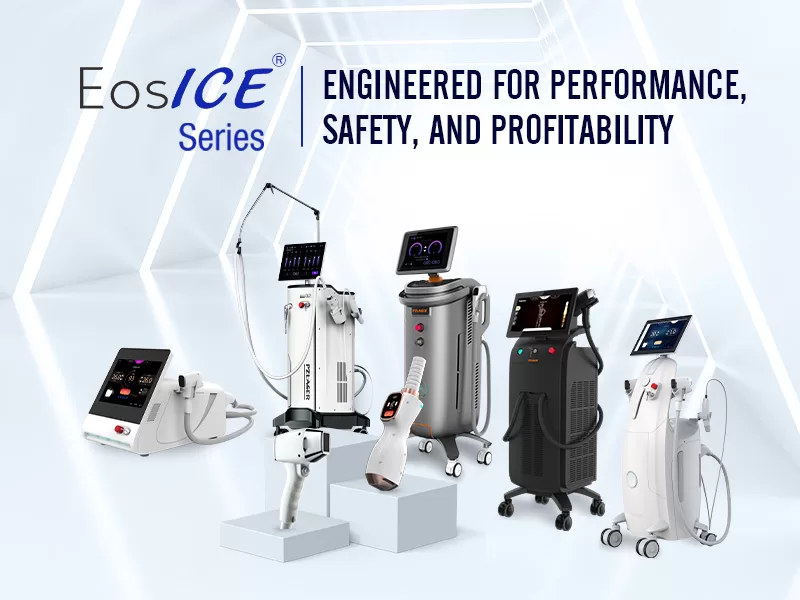
EosICE® is a professional diode laser platform designed for hair removal, with multiple wavelength configurations, handpiece options, and cooling-focused technology for professional treatment workflows.
PicoIris® Picosecond Laser
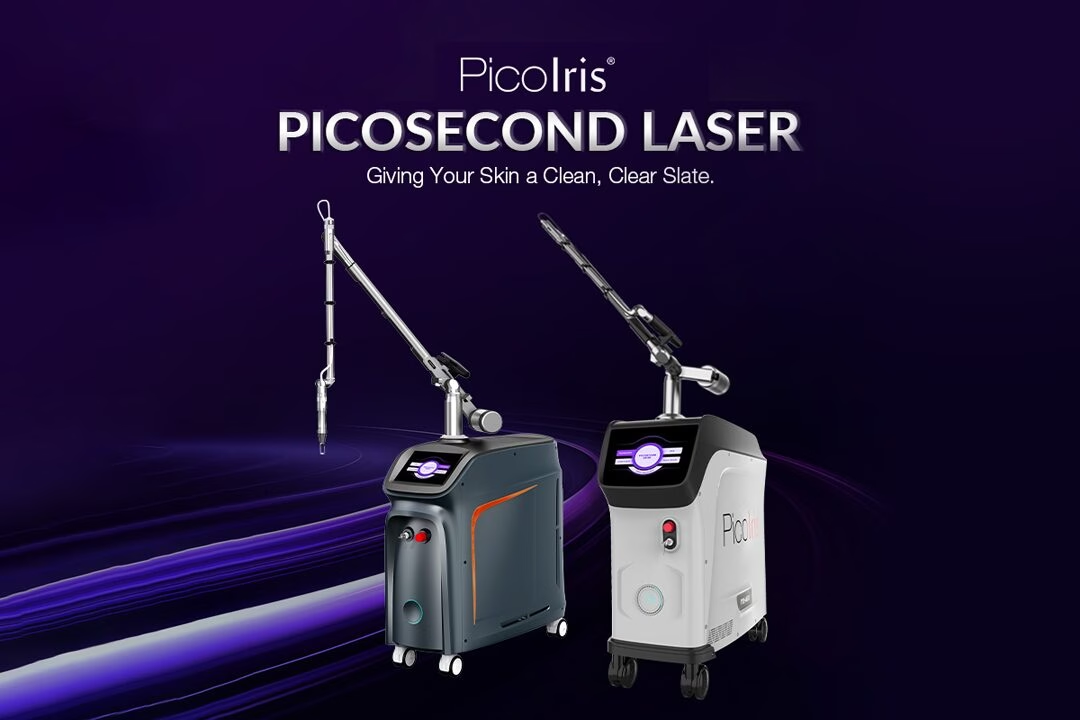
PicoIris® uses picosecond laser technology for pigmentation treatments, selected tattoo applications, and skin rejuvenation. The platform features a 350 ps pulse width and multiple treatment modes.
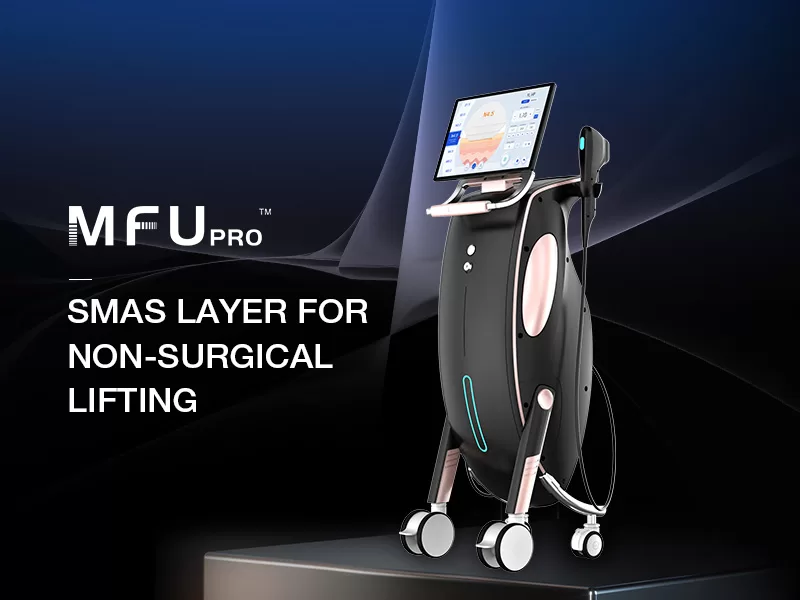
MFUPro® HIFU
MFUPro® uses micro-focused ultrasound technology for non-invasive face and body skin tightening. The current platform provides treatment depths ranging from 1.5 mm to 9.0 mm.
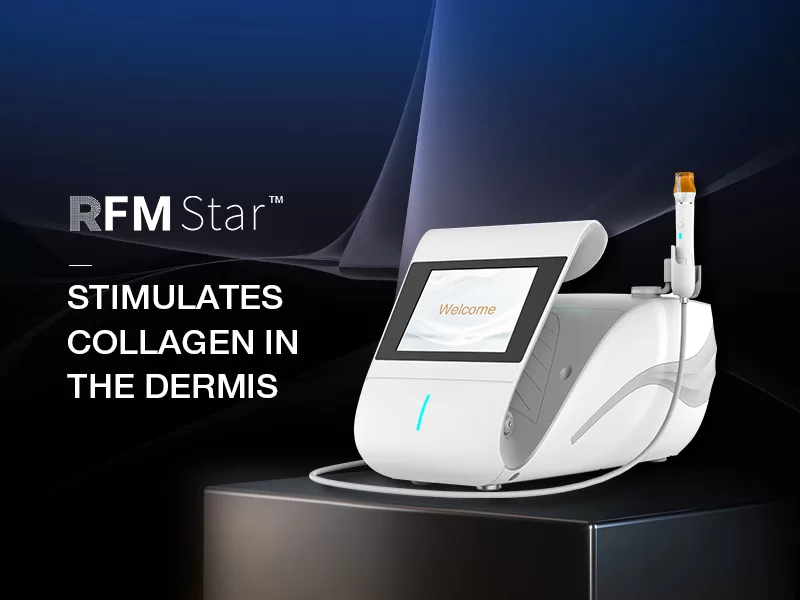
RFMStar™ RF Microneedling
RFMStar™ combines RF microneedling with vacuum technology for professional skin remodeling and rejuvenation treatments, supporting applications related to skin tightening, texture, acne scars, and stretch marks.
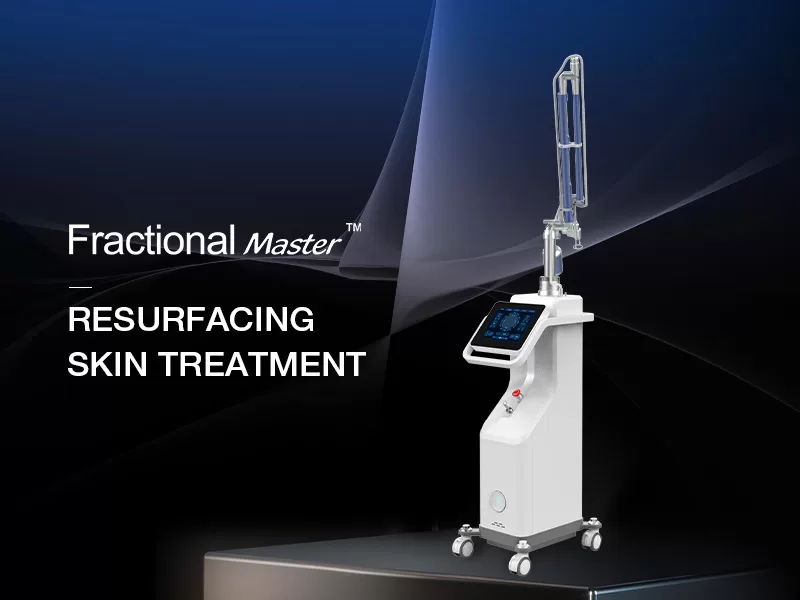
Fractional Master™ CO₂
Fractional Master™ provides a fractional CO₂ laser platform for professional skin resurfacing applications related to acne scars, wrinkles, skin tone, and skin texture.
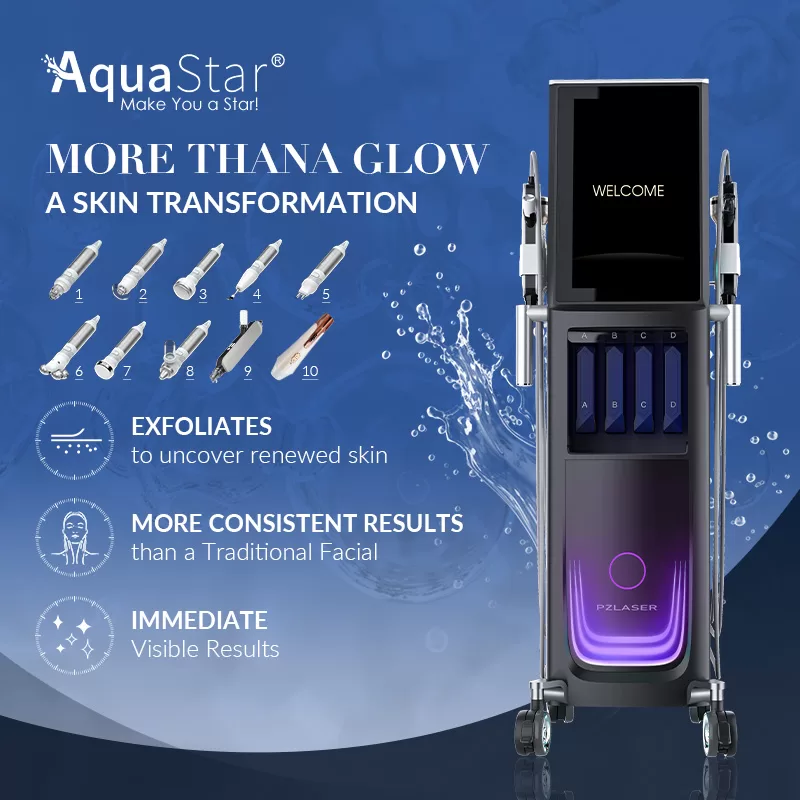
AquaStar® Hydra Facial Platform
AquaStar® combines cleansing, exfoliation, extraction, hydration, and serum infusion in a multi-step facial workflow, supporting regular professional skin maintenance services.
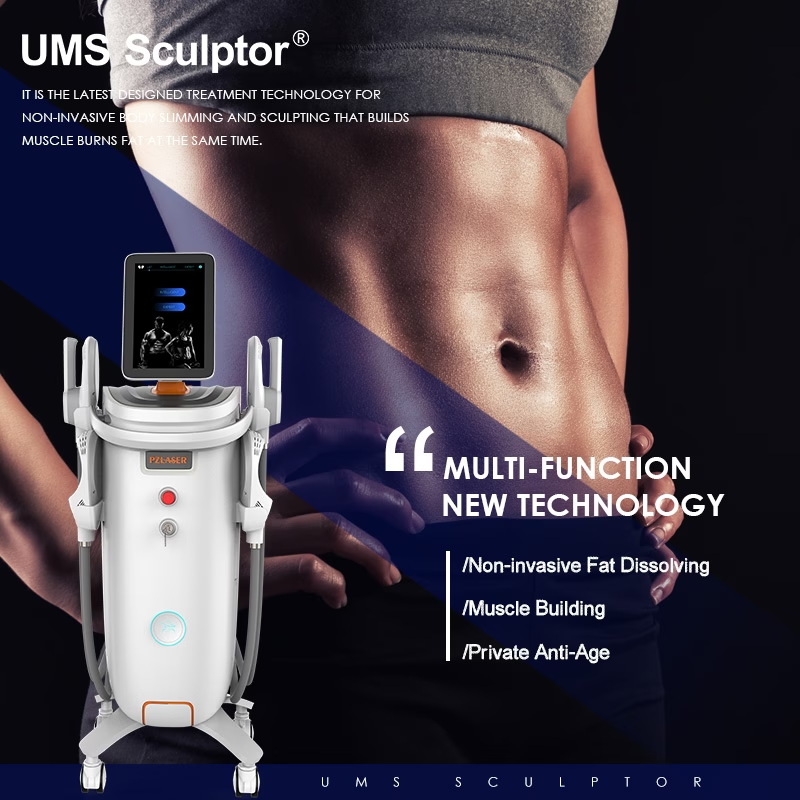
PZLASER Body Sculpting Solutions
PZLASER provides multiple body contouring technologies for localized fat reduction, body shaping, muscle building, and skin tightening. The portfolio includes cryolipolysis, electromagnetic muscle stimulation, RF-based body treatments, and lipo laser technology.
How to Attract Your First Aesthetic Clinic Clients
Equipment alone will not build a successful clinic.
New clinic owners should build their marketing around treatments, customer needs, and patient experience.
Local SEO
Create treatment pages around location-specific searches such as:
- Laser hair removal in [City]
- Skin tightening in [City]
- Pigmentation treatment in [City]
- RF microneedling in [City]
Google Business Profile
Maintain accurate information, treatment categories, images, reviews, and updates.
Social Media
Platforms such as Instagram, TikTok, and YouTube can help clinics showcase treatment processes, technology, educational content, and customer experiences.
Treatment Packages
Instead of promoting a machine, create service packages around customer needs.
For example:
Hair Removal Program
rather than:
Diode Laser Machine Treatment
Or:
Skin Rejuvenation Program
rather than simply:
Pico Laser Session
This distinction matters.
Build your marketing around the treatment experience—not the machine itself.
Common Mistakes When Starting an Aesthetic Clinic
Mistake 1: Buying Too Many Machines Too Early
A large equipment portfolio can increase startup costs before the clinic has established demand.
Mistake 2: Choosing Equipment Based Only on Price
The lowest purchase price does not necessarily mean the lowest total cost of ownership.
Consider:
- Reliability
- Warranty
- Maintenance
- Training
- Consumables
- Spare parts
- Technical support
Mistake 3: Ignoring Local Regulations
A device suitable for one market may require different documentation, registration, or operating conditions in another market.
Mistake 4: Choosing a Manufacturer Without Checking After-Sales Support
A machine becomes part of your daily operation. Service availability matters.
Mistake 5: Offering Too Many Treatments at Launch
A focused menu can make staff training, marketing, and customer communication easier.
Mistake 6: Ignoring Staff Training
Technology cannot replace proper practitioner knowledge and treatment protocols.
Mistake 7: Focusing Only on Equipment
Patients experience the entire clinic—not just the machine.
Consider:
- Consultation
- Treatment environment
- Communication
- Comfort
- Follow-up
- Customer service
- Results tracking
Aesthetic Clinic Startup Checklist
Before opening, review the following checklist:
☐ Define your clinic positioning
☐ Identify your target customers
☐ Research local competitors
☐ Analyze local treatment demand
☐ Create your first treatment menu
☐ Set your startup and equipment budget
☐ Confirm local licensing requirements
☐ Verify applicable device requirements
☐ Choose qualified practitioners
☐ Select a reliable equipment manufacturer
☐ Confirm training and technical support
☐ Prepare treatment protocols
☐ Build your website and local SEO strategy
☐ Set up social media channels
☐ Create introductory treatment packages
☐ Establish a patient follow-up process
☐ Track treatment demand and equipment utilization
☐ Expand the equipment portfolio based on real customer demand
Conclusion
Starting an aesthetic clinic in 2026 is not simply an equipment purchasing project.
The strongest foundation starts with:
Target Market → Treatment Strategy → Equipment Plan → Compliance → Operations → Marketing
Once these elements are aligned, equipment selection becomes much easier.
A new clinic can start with a focused portfolio and gradually expand into advanced skin rejuvenation, skin tightening, resurfacing, facial care, and body contouring.
PZLASER provides professional aesthetic equipment across these treatment categories, supporting clinics that want to build a scalable treatment platform with a long-term equipment strategy.
The goal is not to buy more machines. The goal is to build the right treatment system for your clinic.
FAQ: Starting an Aesthetic Clinic
There is no universal startup cost.
Expenses vary according to location, clinic size, staffing model, renovation, regulatory requirements, equipment portfolio, and working capital. New owners should create a budget that separates fixed startup costs from equipment investment and ongoing operating costs.
A basic equipment portfolio may include technologies for one or more core categories such as hair removal, facial care, skin rejuvenation, skin tightening, or body contouring. The right combination depends on your target market and treatment menu.
There is no single best machine for every clinic.
New owners should compare local demand, treatment frequency, versatility, regulatory requirements, workflow, practitioner training, and after-sales support before making a purchase.
Diode laser hair removal can be a useful core service because hair-removal treatments can be delivered as structured treatment programs.
The appropriate system should match the clinic's target customers, operating requirements, applicable regulations, and practitioner expertise.
Yes.
A phased equipment strategy can allow a new clinic to start with a focused treatment menu and add technologies when customer demand becomes established.
Yes.
PZLASER's current portfolio includes diode laser hair removal, picosecond laser, HIFU/MFU, RF microneedling, fractional CO₂, hydrodermabrasion, DPL/NIR, and other aesthetic technologies.