What Aesthetic Machine Should You Buy Next? Guide for Growing Clinics
Author:pz
+Table of Contents
Quick Answer: Which Aesthetic Machine Should You Buy Second?
The best second aesthetic machine for a clinic complements its existing services and meets proven client demand.
Clinics focused on hair removal may consider adding facial maintenance services, while established facial clinics may evaluate advanced skin treatments or skin-tightening technologies. Clinics with proven demand for body treatments may prioritize body-contouring equipment.
Before investing, compare the total ownership cost, training requirements, local regulations, and potential treatment demand rather than choosing equipment based on popularity alone.
Introduction
Buying your first aesthetic machine helps you establish a core service. However, choosing your second or third device often requires a different strategy.
At this stage, you may already have clients, trained operators, an established treatment menu, and a clearer understanding of your local market. You may also face a practical challenge: how can you introduce new services without tying up too much capital in equipment that does not fit your business?
A new machine might fill a gap in your current treatment menu, help you serve an existing client base more comprehensively, or introduce a treatment category local clients actively request.
The wider aesthetic market also requires careful evaluation. Industry reporting in the 2026 aesthetic consumer trends report from MedEsthetics has highlighted continued interest in skin rejuvenation alongside changing demand across treatment categories. These broader trends can inform your research, but they cannot replace local booking data, client consultations, and market analysis.
This guide explains how to choose your second and third aesthetic machines on a limited budget, compare suitable technologies, and develop a practical expansion plan for your clinic.
Five Factors to Consider Before Buying Your Next Aesthetic Machine
Before comparing brands or specifications, evaluate your clinic's current position. These five factors can help you narrow your options.
1. What Treatments Do Your Clients Request Most?
Start with the people who already visit your clinic.
Review consultation notes, treatment bookings, customer feedback, and requests for services you do not currently offer. If clients frequently ask about facial cleansing and hydration, for example, a skin maintenance system may make more sense than another device for a treatment category you already cover.
You should also distinguish between general interest and genuine purchase intent. A treatment that attracts attention on social media may not generate enough local bookings to justify an equipment investment.
Practical tip: Track the services clients request but cannot currently book. This list can reveal your most relevant expansion opportunities.
2. Which Services Are Missing From Your Current Treatment Menu?
Your next machine should ideally complement your existing equipment instead of duplicating its main functions.
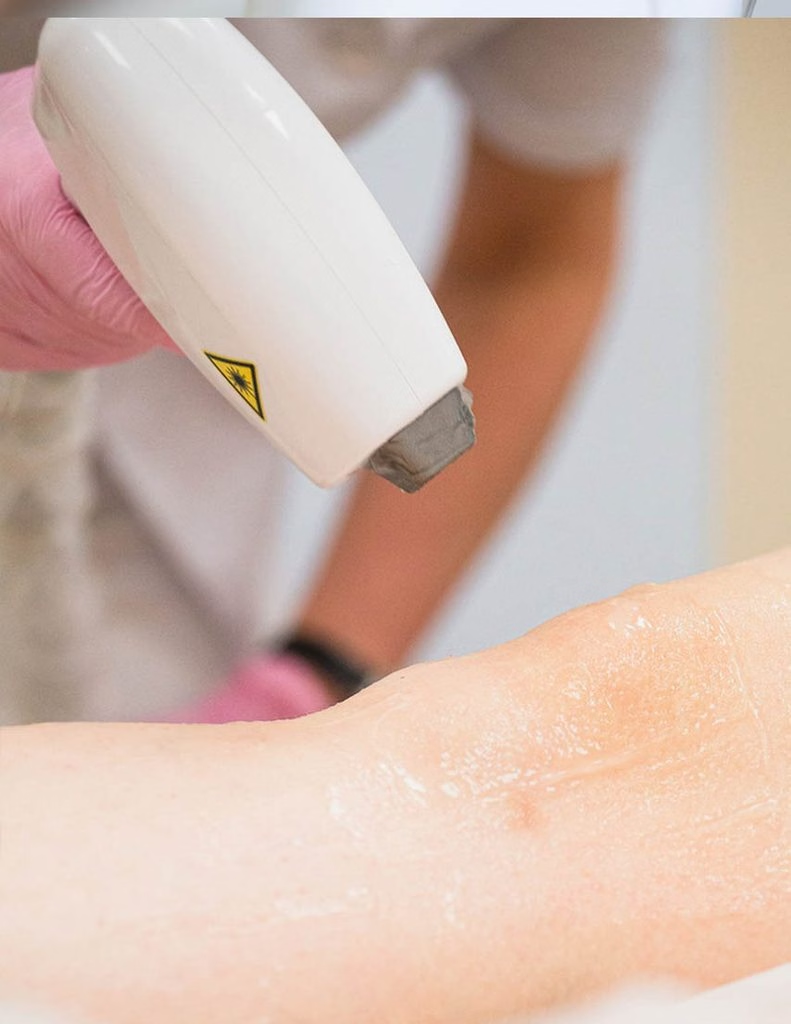
For example, a clinic that already offers diode laser hair removal may benefit more from adding facial treatments than purchasing another hair removal platform with overlapping capabilities.
Before investing, map your current services against the treatment categories you want to develop. Look for meaningful gaps rather than simply counting how many machines you own.
3. Can Your Existing Staff Operate the New Equipment?
A machine does not generate business value simply because it is available in the treatment room. Your team must understand the technology, complete the required training, follow appropriate protocols, and operate it within the scope of local regulations.
Consider the following questions:
Does the new device require additional training or qualified practitioners?
Can your existing staff accommodate the new service?
Will the clinic need additional treatment time, consultation procedures, or room preparation?
Can the manufacturer provide suitable technical and application support?
These factors affect both the implementation timeline and the resources required to introduce a new service.
4. What Are the Total Ownership Costs?
The purchase price represents only part of an aesthetic equipment investment. A realistic budget should include the full cost of introducing and operating the machine.
Cost category
What to evaluate
Equipment purchase
Device configuration, handpieces, accessories, and delivery
Training and setup
Installation, operator training, and treatment protocol development
Operating costs
Consumables, maintenance, utilities, and staff time
Compliance
Applicable registration, licensing, documentation, and local requirements
Marketing
Website updates, promotional materials, and client education
Cash reserve
Working capital for normal operating expenses and unexpected costs
Ask suppliers for a detailed quotation and clarify what the quoted price includes. A lower initial price does not always mean a lower long-term cost.
5. How Will the New Machine Support Your Growth Plan?
Think beyond the next few months. Decide whether you want to develop a skin-focused clinic, build a broader medspa treatment menu, or specialize in a particular treatment category.
Your second machine should support that direction, while your third can build on the services and customer demand you establish.
This approach creates a more coherent equipment portfolio and reduces the risk of buying devices that do not fit your long-term business model.
What Should You Buy as Your Second Aesthetic Machine?
The following scenarios provide practical starting points rather than universal purchasing rules.
Scenario 1: You Already Offer Laser Hair Removal
Consider: A Hydra Dermabrasion system for skin maintenance.
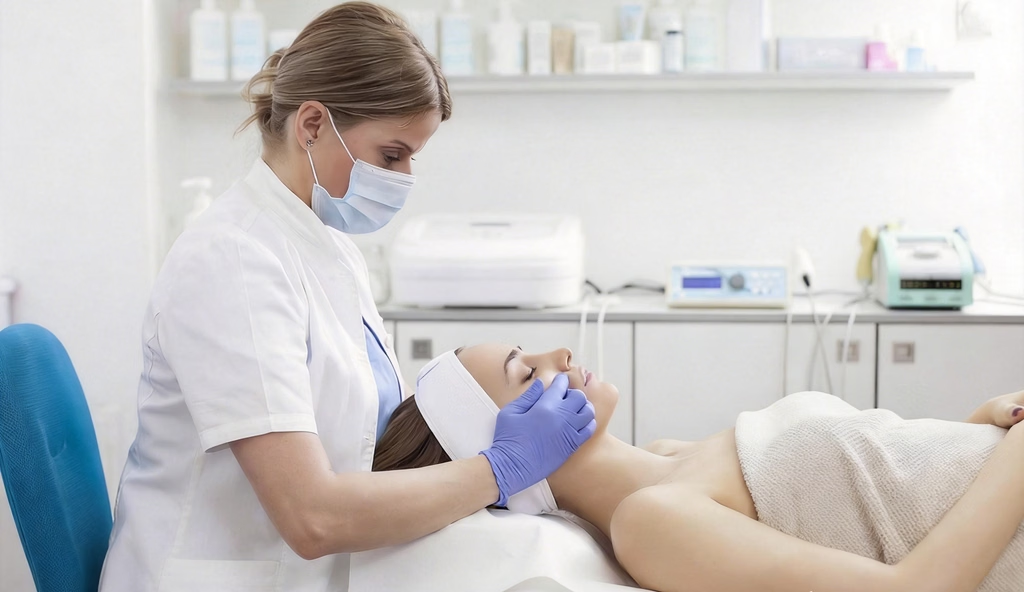
If your clinic already offers laser hair removal, adding a facial maintenance service can help you reach clients with different treatment needs.
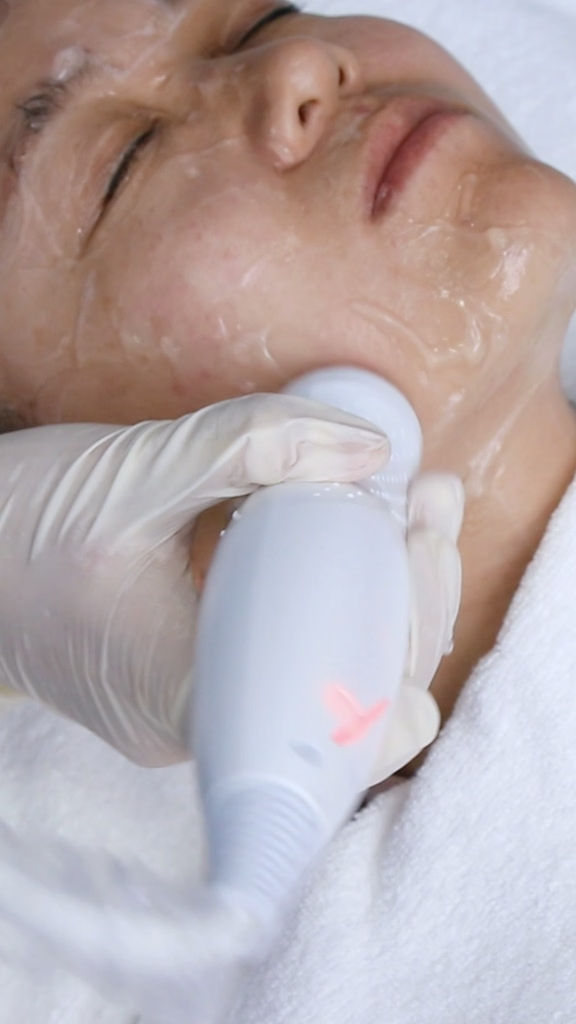
A Hydra Dermabrasion system can support professional facial procedures involving cleansing, exfoliation, extraction, and hydration, depending on the device configuration and treatment protocol. Clinics can incorporate these services into regular skincare programs rather than relying exclusively on one treatment category.
This option may suit clinics that want to:
Introduce facial treatments without building an entirely new service department.
Serve clients who want routine skin maintenance.
Develop complementary treatment packages where clinically appropriate.
Diversify their treatment menu beyond hair removal.
The key is to select a service that fits your current customer base rather than purchasing equipment simply to add another category.
Scenario 2: Your Clinic Focuses on Facials and Skin Maintenance
Consider: A picosecond laser for selected advanced skin treatments.
If your clinic already provides facial cleansing and hydration, you may want to expand into a more specialized treatment category.
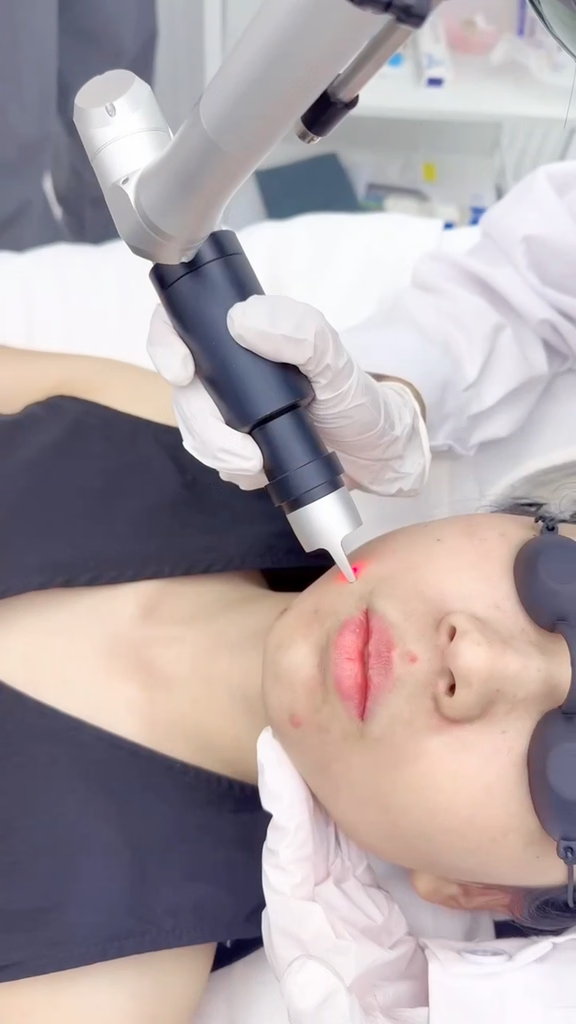
Picosecond laser technology, for example, delivers energy in ultra-short pulses measured in picoseconds. Depending on the wavelength, device configuration, indication, and treatment protocol, these systems may support applications such as selected pigmentation treatments and tattoo removal.
Before choosing a system, evaluate its wavelength options, pulse characteristics, energy parameters, spot sizes, safety features, training requirements, and intended applications.
Scenario 3: Clients Frequently Ask About Skin Tightening and Anti-Aging
Consider: HIFU/MFU or RF microneedling.
Clinics with an established facial service menu may receive requests for treatments that target skin laxity, texture, and signs of aging. In this situation, compare HIFU/MFU and RF microneedling rather than assuming they are interchangeable.
HIFU/MFU: Focused ultrasound technology delivers energy to selected tissue depths. Depending on the system and protocol, practitioners may use it for specific skin-tightening and lifting applications.
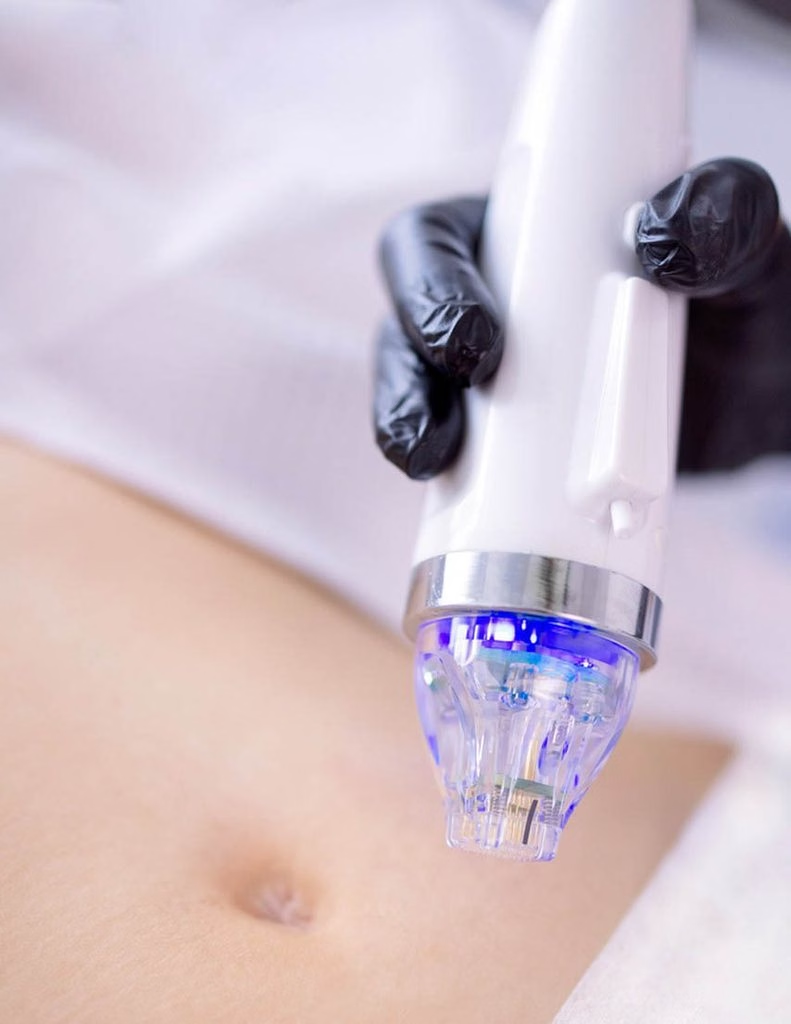
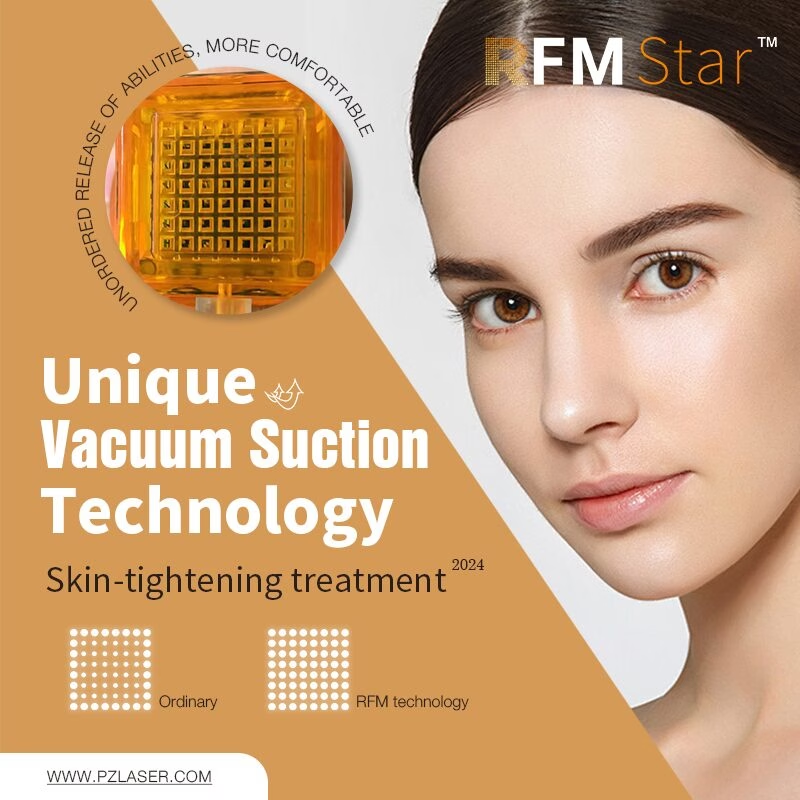
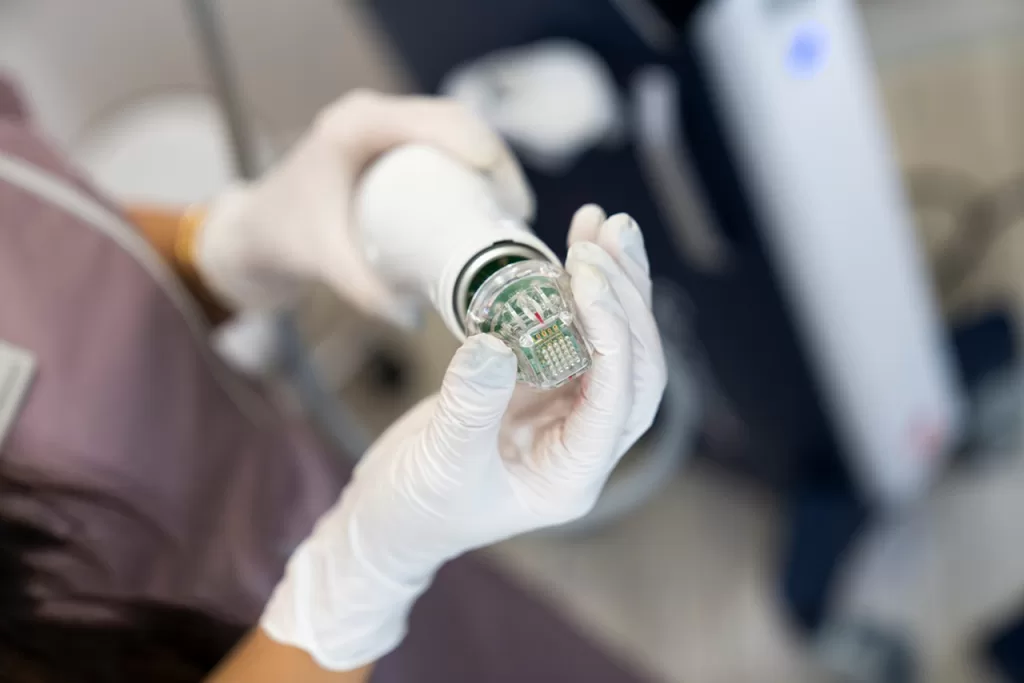
RF microneedling: This technology combines microneedles with radiofrequency energy to create controlled thermal effects at selected treatment depths. The procedure involves different considerations from non-invasive focused ultrasound, including needle penetration, practitioner training, patient selection, and downtime.
When comparing these technologies, consider your treatment goals, local regulations, practitioner qualifications, patient suitability, recovery requirements, and operating costs.
Scenario 4: Your Clinic Already Has Strong Demand for Body Treatments
Consider: A body-contouring system that matches your target market.
If clients regularly request body-shaping services, body-contouring equipment may be a logical next step. However, this category includes different technologies that address different aesthetic goals.
Body-contouring systems may use cryolipolysis, radiofrequency, electromagnetic muscle stimulation, or other technologies. These approaches are not equivalent, so compare the intended applications carefully.
Do not position body-contouring equipment as a universal weight-loss solution. Define the specific aesthetic services the device can appropriately support and communicate its limitations clearly.
What Should Your Third Aesthetic Machine Be?
Your third machine should build on the service categories you have already established. Rather than following a fixed equipment sequence, choose a direction that matches your clinic's growth strategy.
Path A: Build a Skin-Focused Clinic
A skin-focused clinic can gradually expand its treatment range from routine maintenance to more specialized procedures.
One possible equipment pathway is:
Skin maintenance: Establish a foundation for cleansing and hydration services.
Advanced skin treatments: Introduce a suitable laser platform for selected pigmentation or other authorized applications.
Skin tightening or resurfacing: Evaluate HIFU/MFU, RF microneedling, or fractional CO₂ laser technology, depending on your target patients and clinical capabilities.
These technologies serve different purposes. Choose them according to client demand, training requirements, safety considerations, and the services your clinic can responsibly provide.
Path B: Build a Full-Service Medspa
A broader medspa may want to serve clients looking for hair removal, facial care, advanced skin treatments, and body services.
One possible progression is:
Core service: Establish a reliable foundation in a high-demand treatment category, such as laser hair removal.
Complementary service: Add facial maintenance or another service that meets the needs of existing clients.
Expansion category: Introduce skin tightening, advanced laser treatments, or body contouring, depending on booking data.
This pathway can diversify your treatment menu without requiring you to buy every machine at once.
A clinic with consistent demand for skin maintenance may prioritize a skin-tightening platform before body contouring. A clinic that receives more qualified inquiries about body treatments may make the opposite decision.
Path C: Specialize in a High-Demand Treatment Category
Some clinics grow more effectively by specializing rather than offering every available treatment.
A clinic with strong hair removal demand may invest in a platform that better fits its treatment volume and operational requirements. A skin-focused clinic may deepen its expertise in a specific set of skin procedures. A body-focused business may develop a targeted portfolio of complementary body treatments.
Specialization can also help simplify staff training, treatment protocols, marketing messages, and equipment management.
The key principle: Your third machine should strengthen a proven business direction, not introduce an unrelated service simply because the technology is trending.
Should You Buy Multiple Aesthetic Machines From One Manufacturer?
Working with one established aesthetic equipment manufacturer can simplify purchasing and future expansion. However, you should still evaluate every device individually.
Potential Benefits of a Single Manufacturer
Simplified procurement: Coordinate quotations, product documentation, and delivery with fewer suppliers.
Centralized communication: Direct product and technical questions to a more consistent support channel.
Training coordination: Organize training for different devices through one supplier where the manufacturer offers that service.
Equipment planning: Compare different technologies within a broader product portfolio.
Future expansion: Explore additional treatment categories as your clinic develops.
These benefits depend on the manufacturer's actual service capabilities, so verify them before committing.
Build Your Next Stage of Growth With PZLASER
PZLASER offers a range of professional aesthetic equipment solutions that clinics and distributors can evaluate as they expand their treatment portfolios.
Instead of purchasing multiple devices at once, consider which solution best complements your existing services and then plan your next investment around client demand.
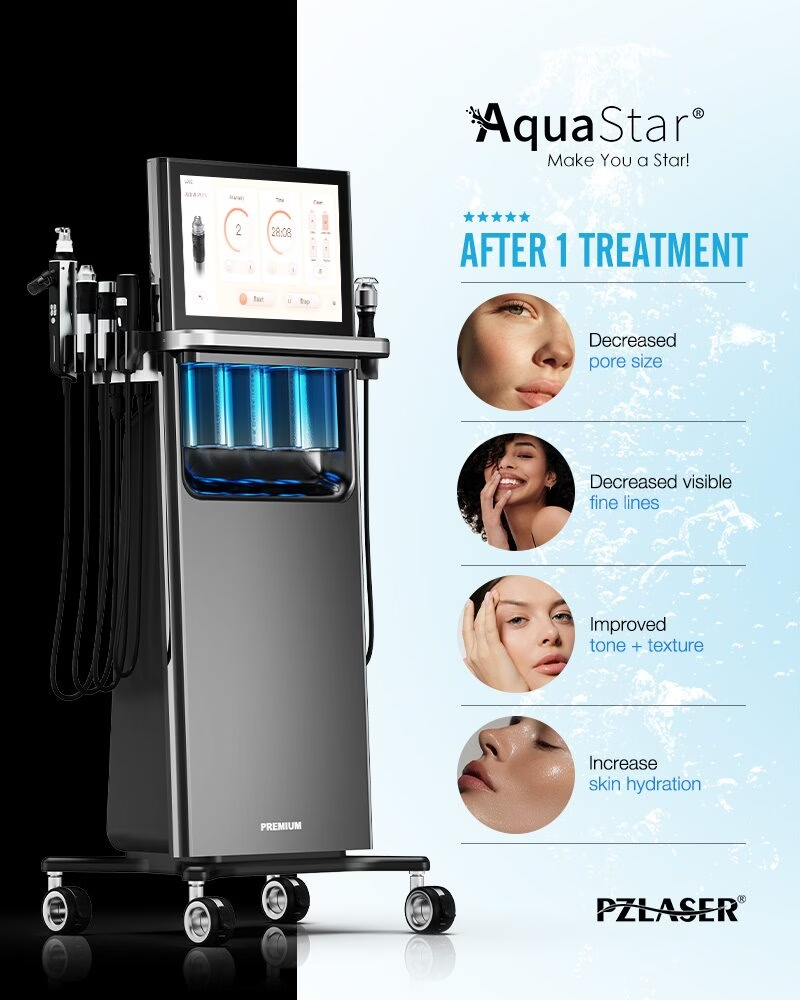
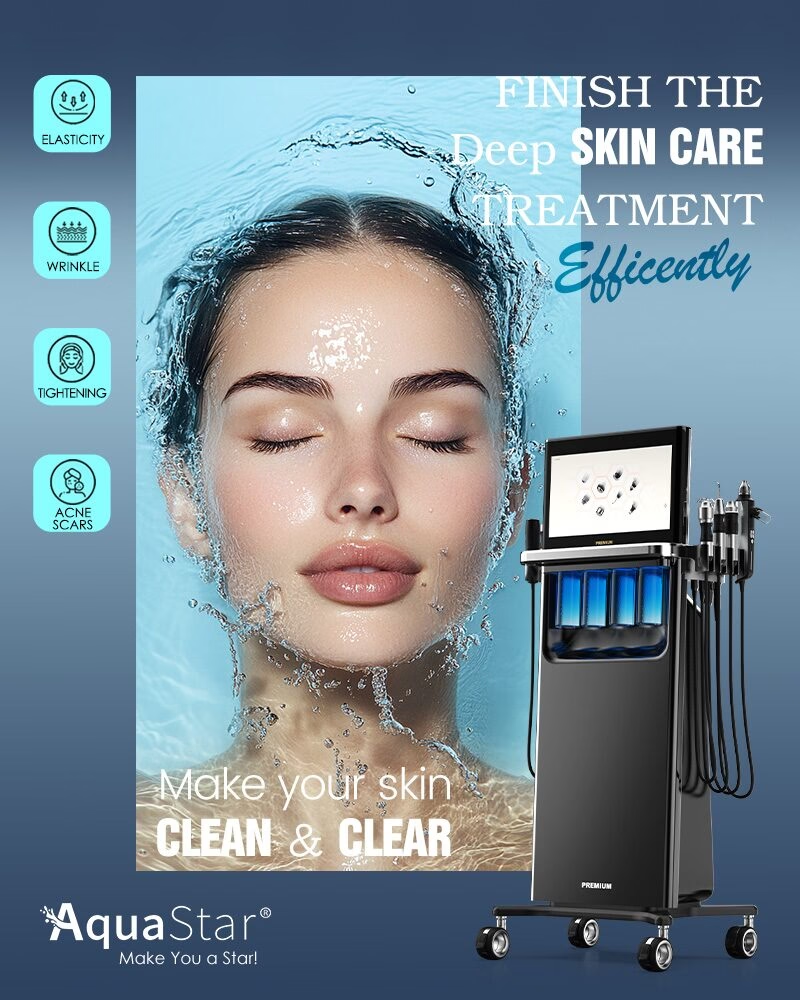
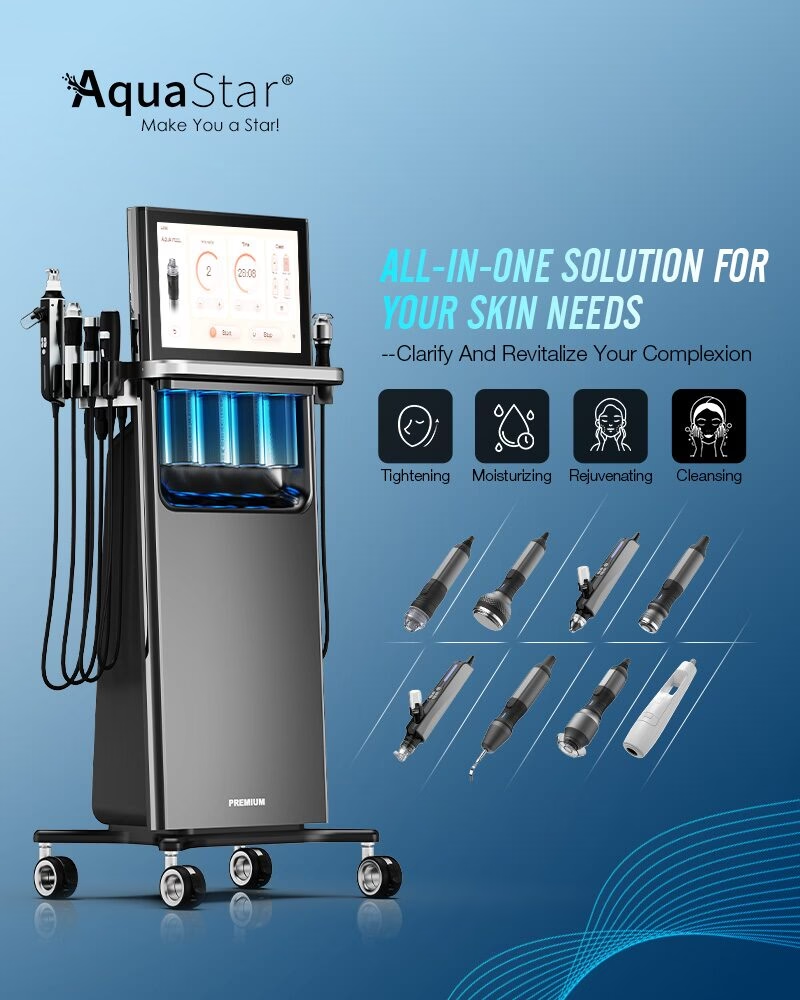
AquaStar® Hydra Dermabrasion: Expand Into Facial Maintenance
Best suited for: Clinics that want to complement existing services with facial cleansing and hydration treatments.
AquaStar® supports a facial maintenance category that can help clinics diversify their treatment menus beyond a single core service.
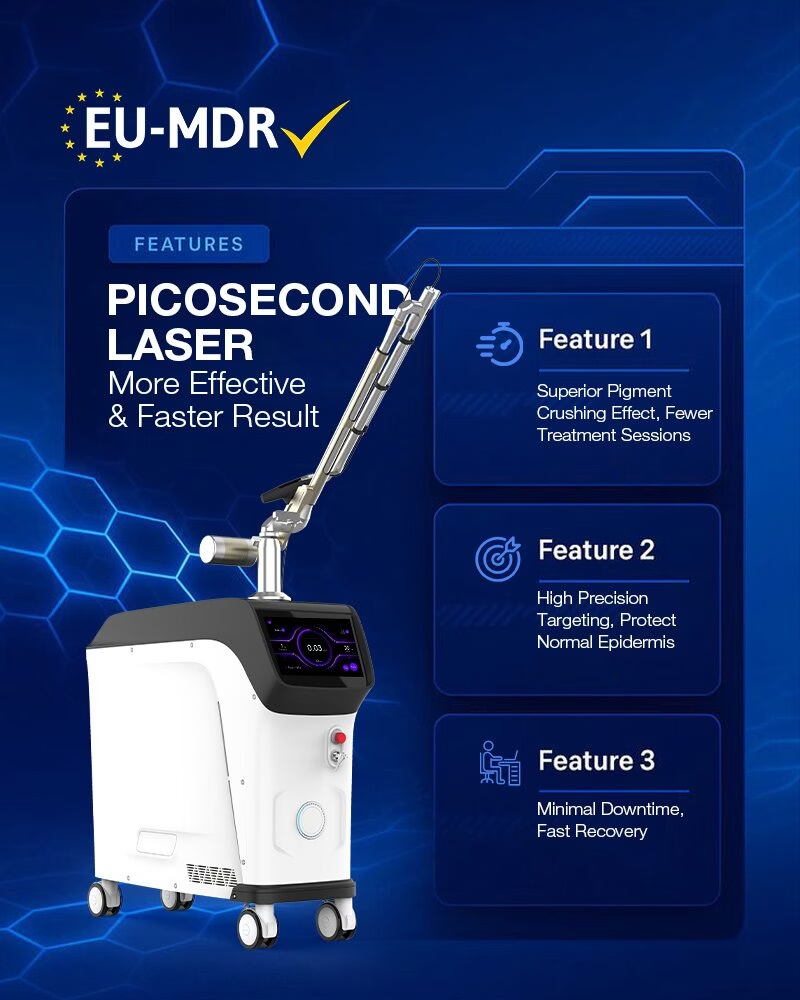
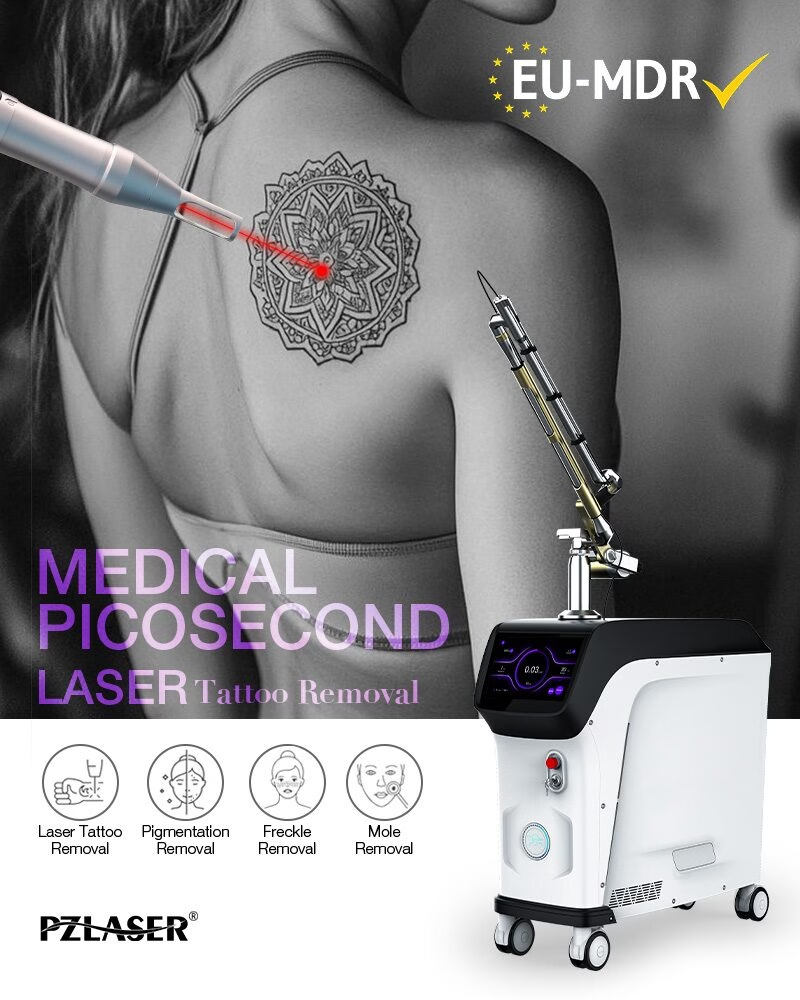
Best suited for: Clinics with appropriate practitioner expertise and demand for selected laser-based skin treatments.
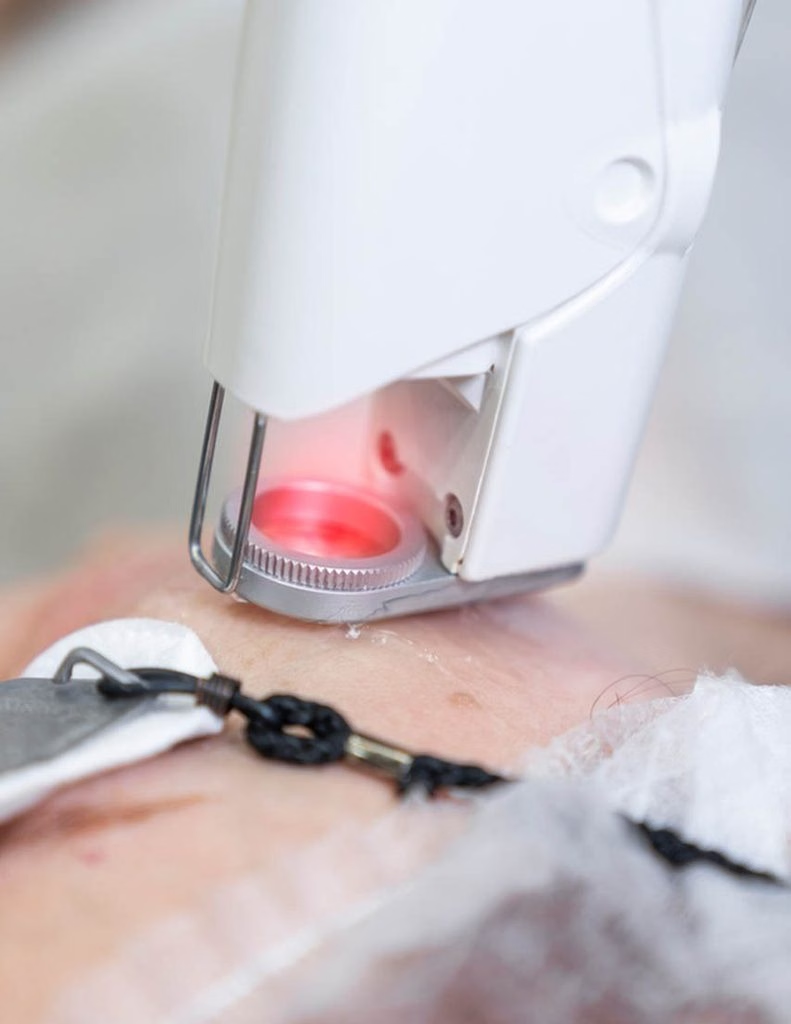
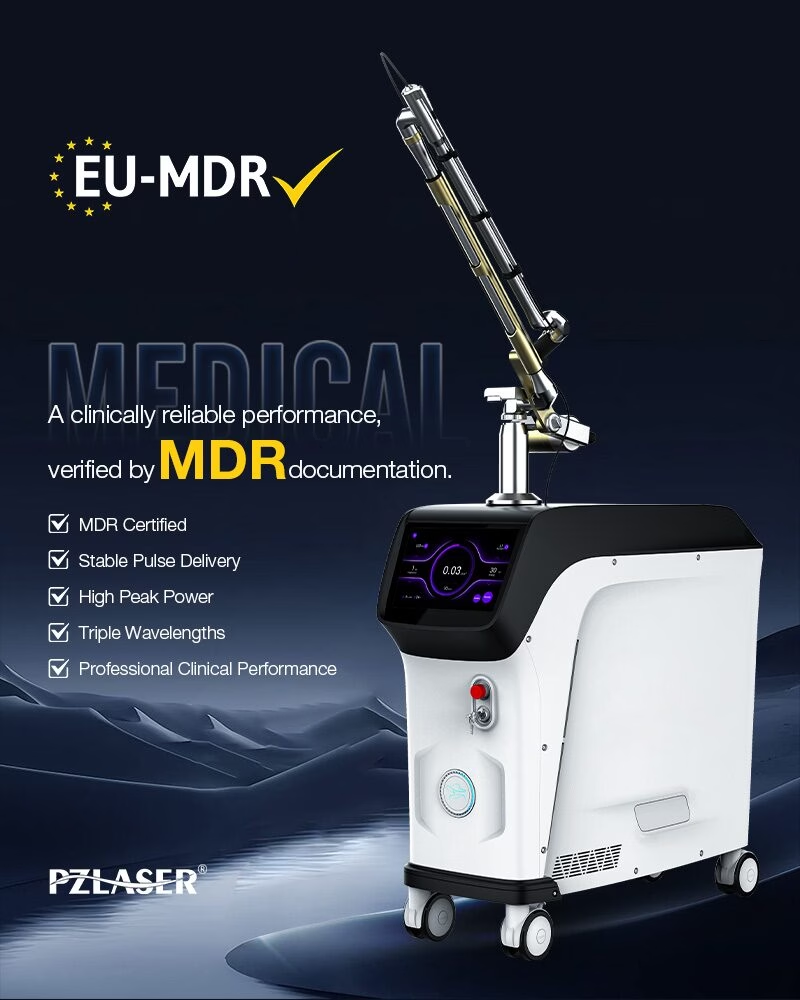
Picosecond laser technology uses ultra-short pulses. Depending on the system configuration and authorized indications, it may support selected pigmentation treatments and tattoo removal.
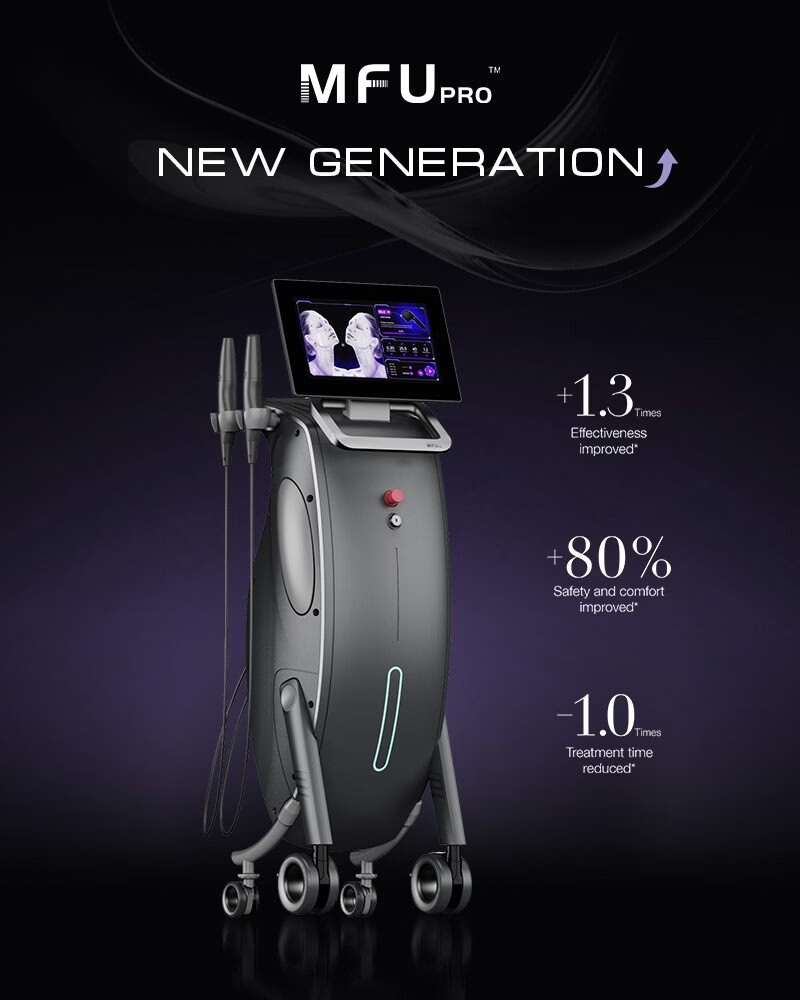
Best suited for: Clinics evaluating focused ultrasound technology for selected skin-tightening and lifting applications.
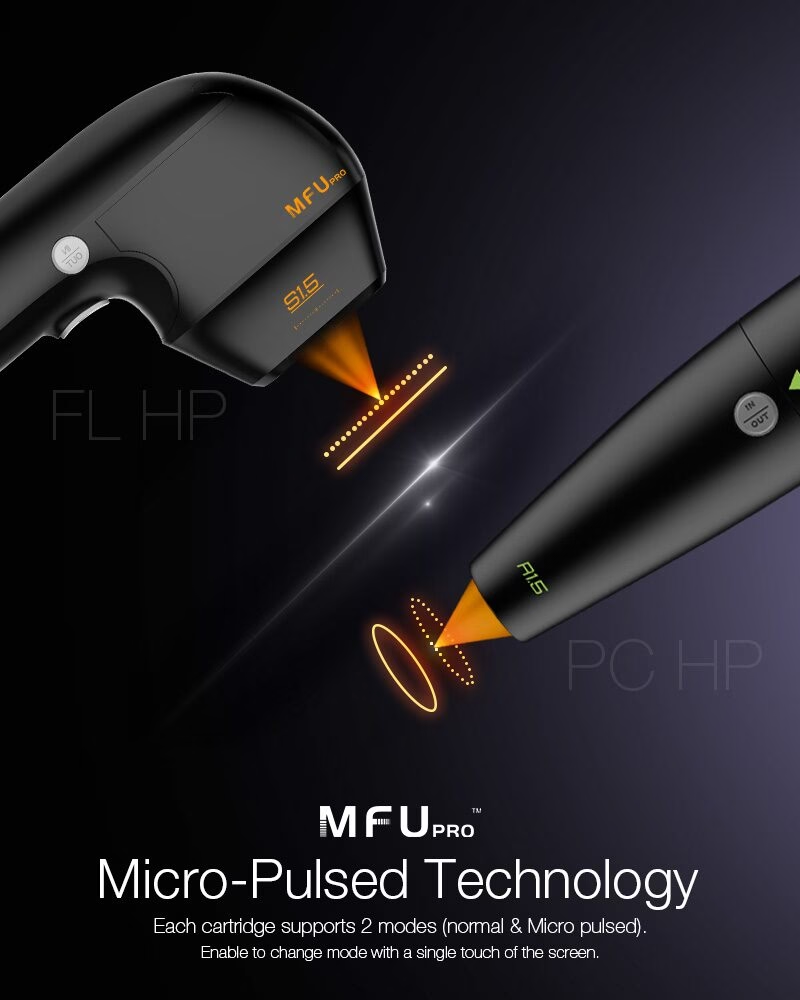
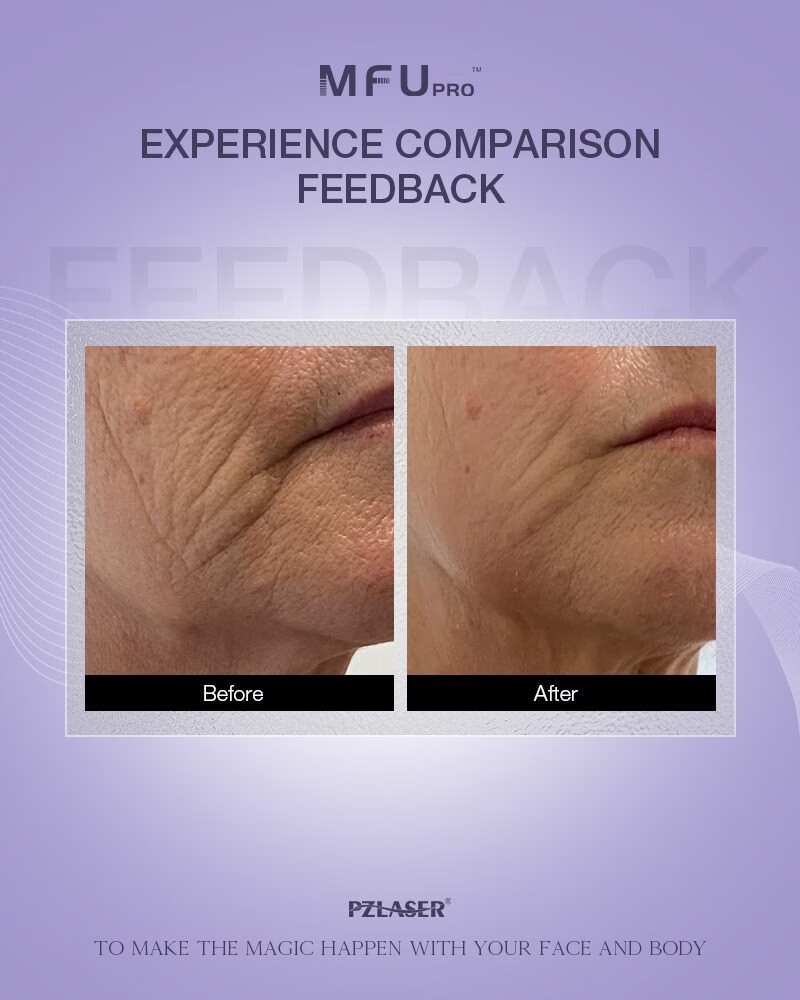
MFUPro® represents a focused ultrasound equipment option for clinics that want to assess skin-tightening technology as part of their service expansion strategy.
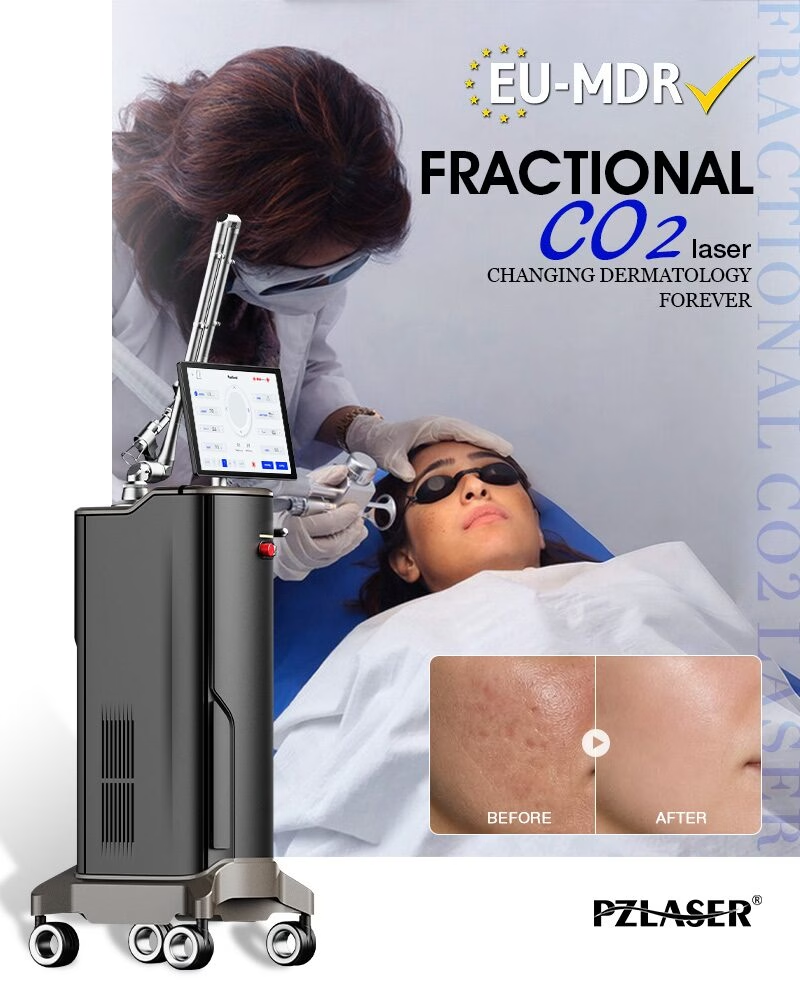
Best suited for: Clinics with the appropriate clinical expertise, facilities, and demand for fractional resurfacing procedures.
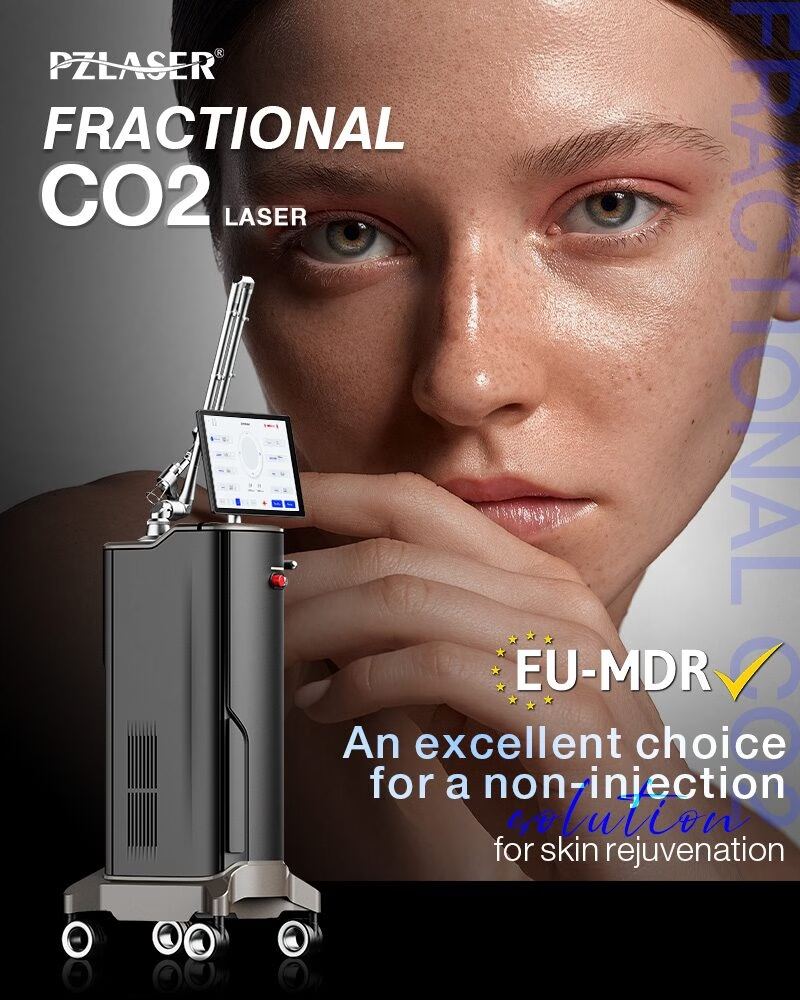
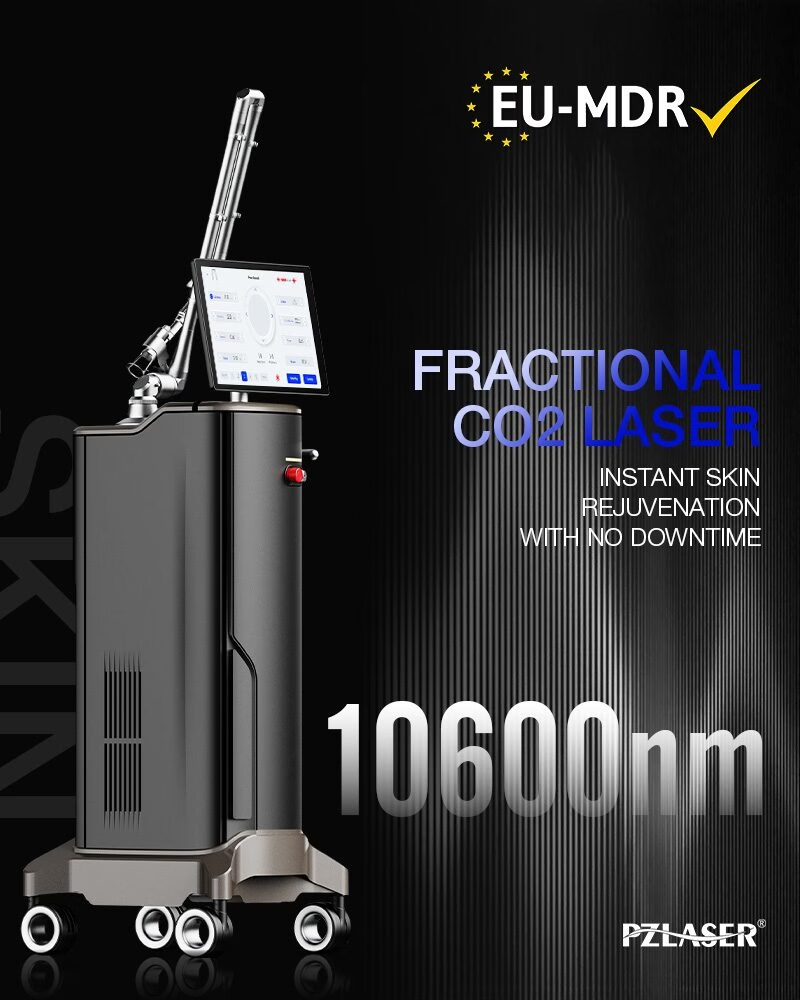
Fractional CO₂ laser technology creates controlled treatment zones in the skin. Depending on the device and treatment protocol, practitioners may use it for selected resurfacing applications, including the appearance of certain scars, wrinkles, and textural irregularities.
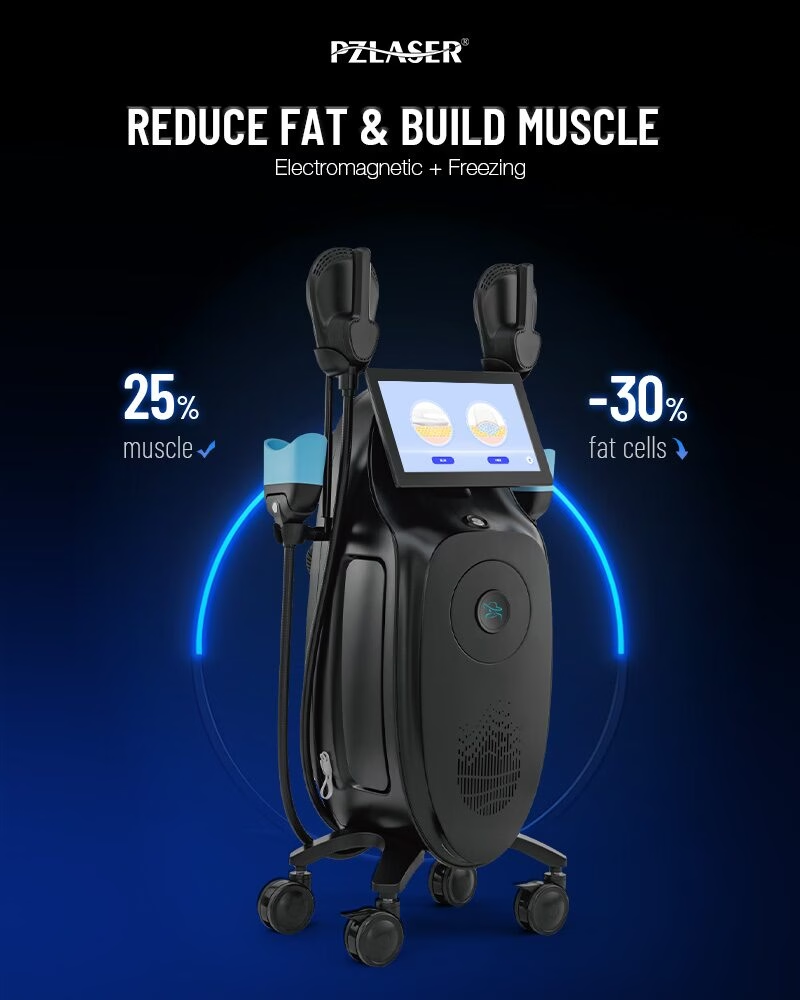
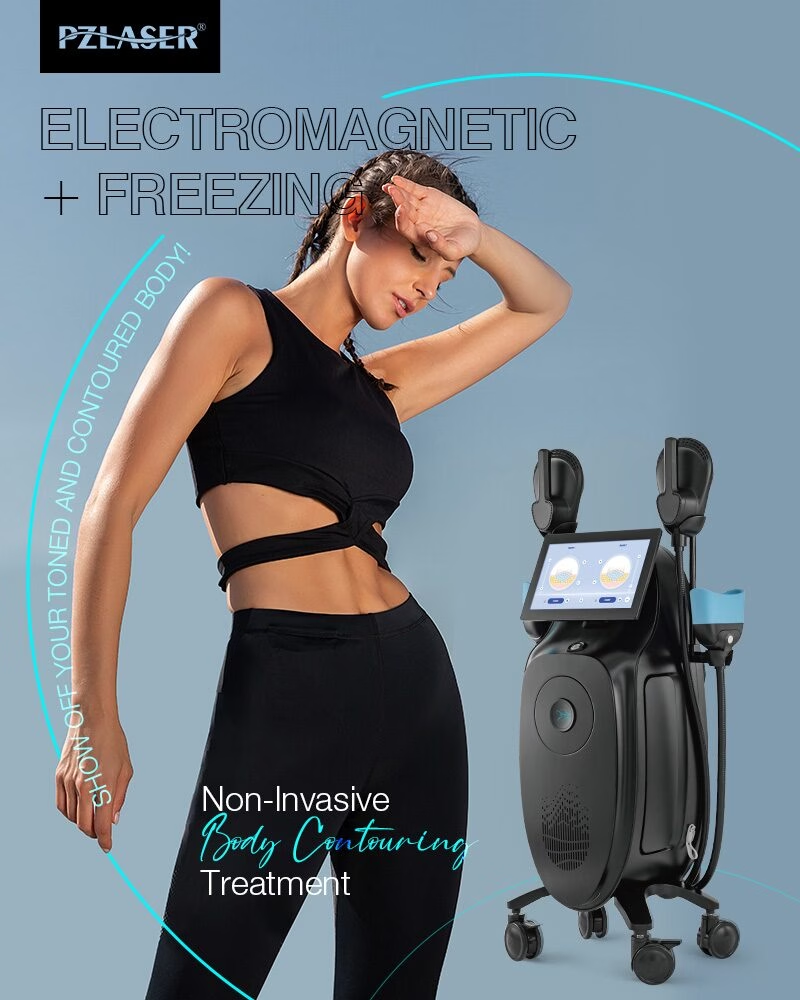
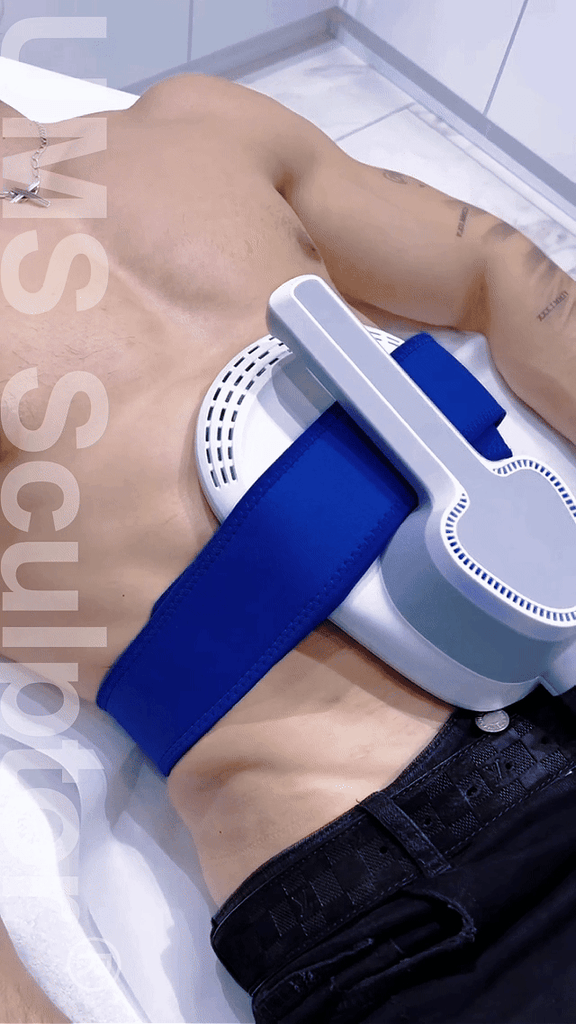
UMS Sculptor®: Explore Body-Shaping and Muscle-Stimulation Applications
Best suited for: Clinics with demonstrated demand for selected body-shaping or muscle-stimulation treatments.
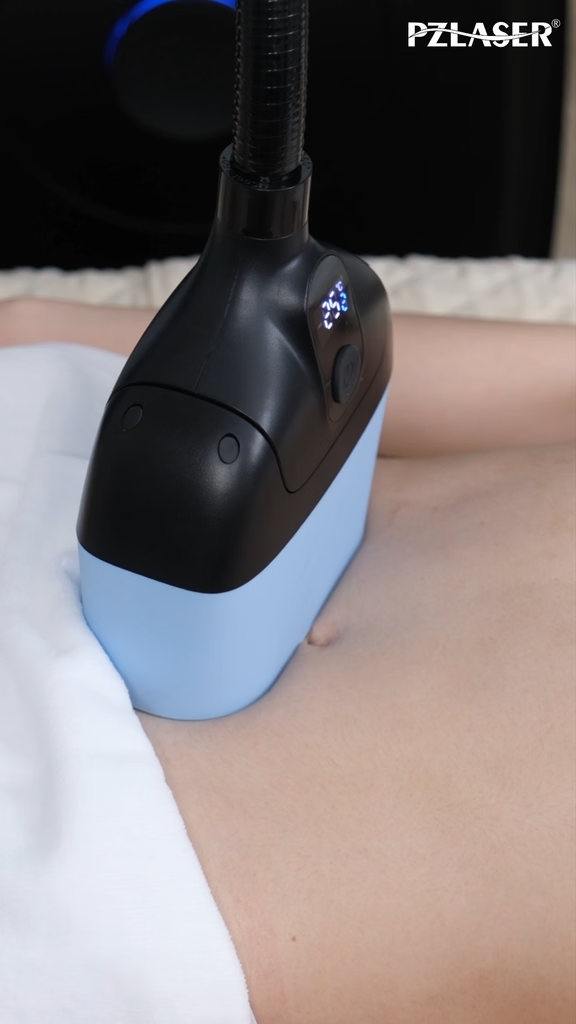
Body-related aesthetic technologies differ significantly in their mechanisms and intended applications. Clinics should evaluate the system's technology and documented indications rather than treating all body-contouring equipment as interchangeable.
How to Choose the Right PZLASER Solution for Your Clinic
Match your next equipment investment to your clinic's current services,
client demand, and growth plans.
Your Current Business Need
Equipment Category to Evaluate
01
Add facial cleansing and hydration services
AquaStar®Hydra Dermabrasion
02
Expand into selected advanced laser treatments
PicoIris®Picosecond Laser
03
Evaluate focused ultrasound skin tightening
MFUPro®HIFU / MFU
04
Add RF microneedling treatments
RFM Star™RF Microneedling
05
Explore fractional skin resurfacing
Fractional Master™ CO₂Fractional CO₂ Laser
06
Expand into body-focused treatments
UMS Sculptor®Body Shaping
i
Buying tip: Use this guide as a starting point.
Compare client demand, equipment configuration, training, regulatory
requirements, and total ownership costs before making your decision.
PZLASER's wider portfolio also allows clinics and distributors to explore different equipment categories as their businesses develop.
Conclusion: Choose Equipment That Supports Your Next Stage of Growth
Choosing your second or third aesthetic machine requires more than comparing specifications or following industry trends. The best investment should fill a real gap in your treatment menu, match your team's capabilities, and support a clear business direction.
Some clinics may benefit from facial maintenance services, while others may prioritize advanced laser treatments, skin tightening, resurfacing, or body-focused technologies. The right choice depends on your existing equipment, client demand, local requirements, and budget.
Start with PZLASER and watch your business thrive.
Frequently Asked Questions About Choosing a Second Aesthetic Machine
1. What is the best second aesthetic machine for a clinic?
The best second machine depends on the clinic's existing services and client demand. A clinic focused on hair removal may consider facial maintenance equipment, while an established facial clinic may evaluate a suitable laser or skin-tightening system. Review demand, training, operating costs, and regulatory requirements before deciding.
2. Which aesthetic machines should a small medspa buy first?
A small medspa should prioritize equipment that supports its target market and core services. Depending on the business model, options may include diode laser hair removal equipment, Hydra Dermabrasion, or a specialized skin-treatment platform. Validate demand and account for training, maintenance, and working capital before expanding the equipment portfolio.
3. How many aesthetic machines does a growing clinic need?
There is no universal number. A clinic may operate effectively with a small number of complementary devices, while a larger practice may need more specialized equipment. Focus on the treatment categories you can support safely and sustainably rather than purchasing a predetermined number of machines.
4. How can I expand my aesthetic treatment menu without overspending?
Start with a clearly identified service gap and validate demand before buying equipment. Compare the full cost of ownership, retain working capital, and introduce one complementary treatment category at a time. Track bookings, operating costs, and client feedback before deciding which machine to purchase next.