
Introduction
Quick Answer
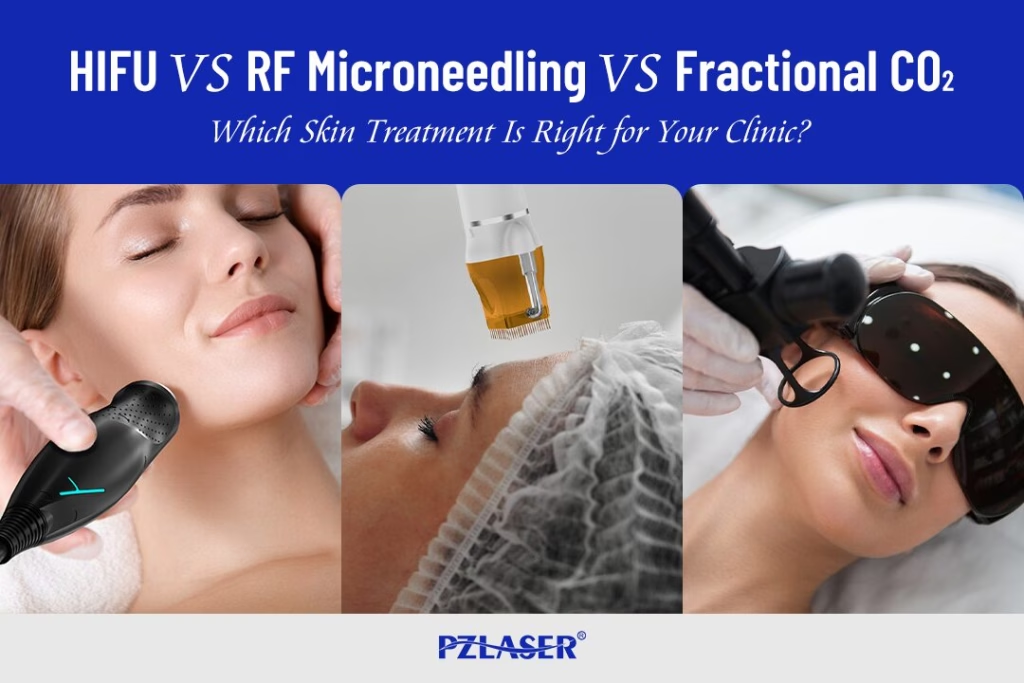
HIFU, RF Microneedling, and Fractional CO₂ are designed for different skin treatment goals. HIFU primarily focuses on deeper tissue lifting and tightening, RF Microneedling combines microneedling with radiofrequency energy to address skin laxity and texture, while Fractional CO₂ is mainly used for skin resurfacing, acne scars, wrinkles, and more intensive texture correction.
| Technology | Primary Target | Best Known For | Treatment Profile |
|---|---|---|---|
| HIFU | Deeper tissue | Lifting and tightening | Non-invasive |
| RF Microneedling | Dermis | Tightening and texture improvement | Minimally invasive |
| Fractional CO₂ | Skin resurfacing | Acne scars, wrinkles, and texture | Ablative / resurfacing |
For clinics, there is no single "best" skin rejuvenation technology for every patient. They can serve different positions within a comprehensive skin treatment menu.
What Is HIFU and How Does It Work?
HIFU, or High-Intensity Focused Ultrasound, uses focused ultrasound energy to create controlled thermal effects at targeted depths beneath the skin. HIFU primarily stimulates tissue remodeling in deeper layers.
For that reason, HIFU is particularly relevant for clinics focusing on non-invasive lifting and skin tightening.
How HIFU Works
HIFU delivers focused ultrasound energy to selected tissue depths, creating controlled thermal stimulation. This can trigger a natural remodeling response and support collagen regeneration.
The major advantage of HIFU is its ability to target different tissue layers without mechanically removing the outer skin surface.
What Skin Concerns Can HIFU Address?
Clinics commonly use HIFU for:
- Mild to moderate skin laxity
- Facial lifting
- Jawline definition
- Neck tightening
- Wrinkle improvement
- Selected body tightening applications
What Is RF Microneedling and How Does It Work?
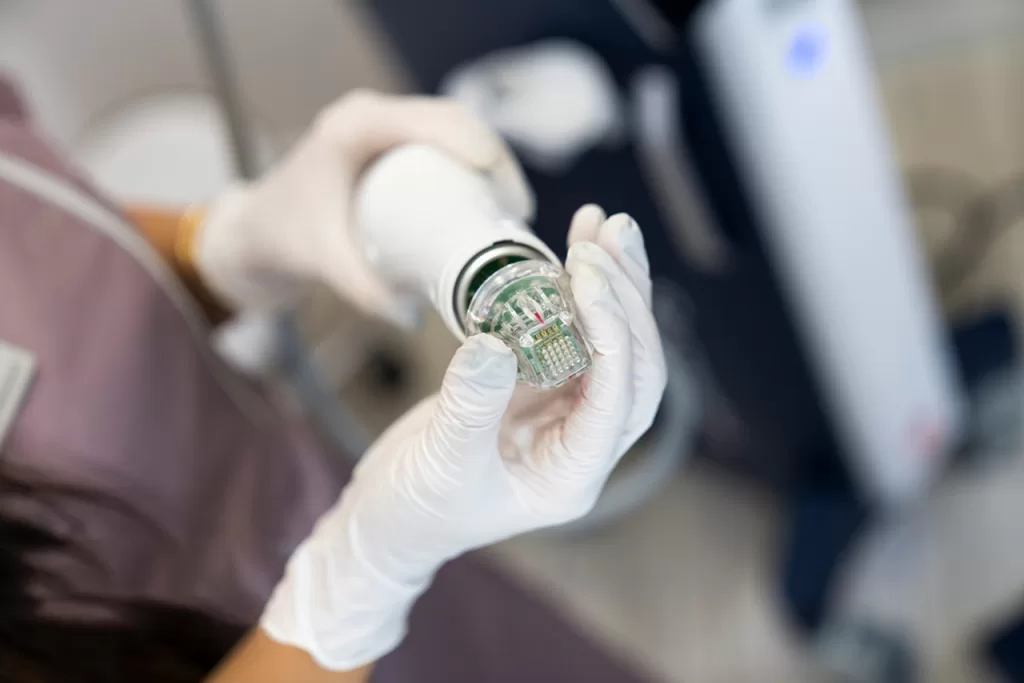
RF Microneedling combines two treatment mechanisms: microneedling and radiofrequency energy.
Microneedles enter the skin at a controlled depth, while RF energy creates thermal stimulation within the targeted tissue. This combination can support collagen remodeling while also addressing certain skin texture concerns.
How RF Microneedling Works
The treatment process can be simplified as:
Microneedling → controlled micro-injury → RF thermal stimulation → collagen remodeling → improved firmness and texture
Unlike HIFU, RF Microneedling works through direct needle penetration into the skin. This makes it particularly suitable for clinics that want to address both skin tightening and surface or texture-related concerns.
What Skin Concerns Can RF Microneedling Address?
Common treatment applications include:
- Fine lines
- Skin laxity
- Enlarged pores
- Acne scars
- Uneven skin texture
- Stretch marks
- General skin rejuvenation
What Is Fractional CO₂ Laser and How Does It Work?
Fractional CO₂ laser is a resurfacing technology that uses CO₂ laser energy to create controlled treatment zones in the skin.
Fractional delivery means that the treatment does not necessarily affect the entire skin surface uniformly. Instead, energy is delivered in a fractional pattern, leaving untreated areas between treatment zones to support the skin's recovery process.
How Fractional CO₂ Works
The basic treatment concept is:
CO₂ laser energy → controlled fractional treatment → resurfacing → collagen remodeling → improved skin texture
Fractional CO₂ is generally positioned as a more intensive resurfacing treatment than HIFU or RF Microneedling.
What Skin Concerns Can Fractional CO₂ Address?
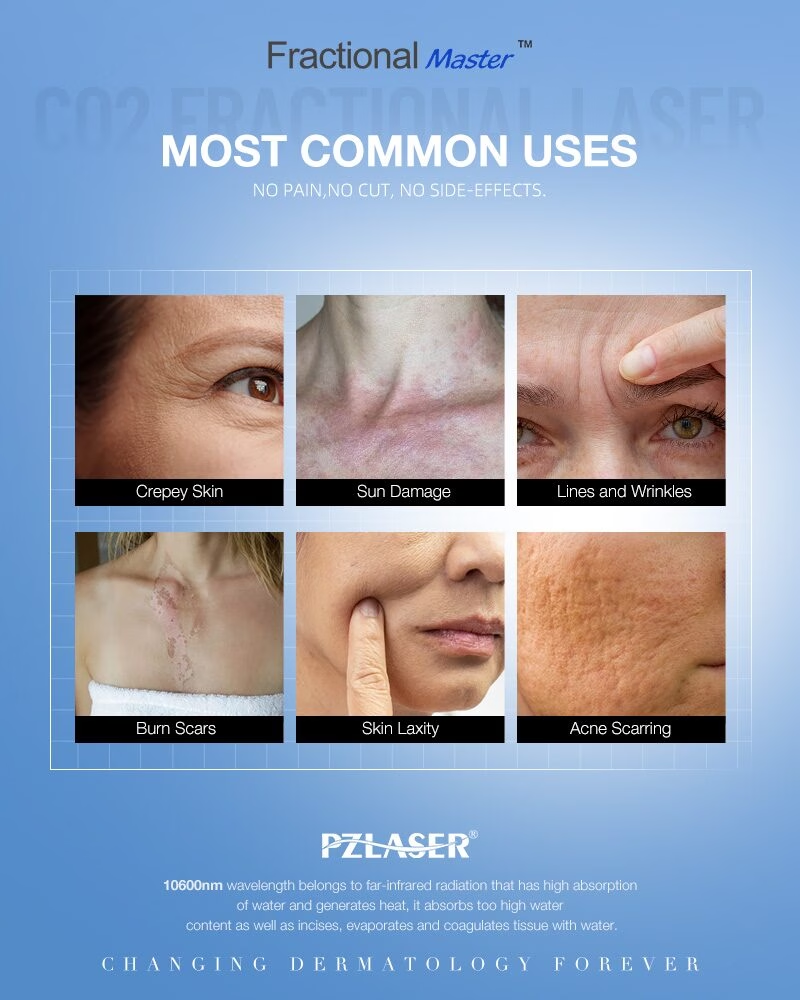
Fractional CO₂ treatments are commonly used for:
- Acne scars
- Fine lines and wrinkles
- Uneven skin texture
- Enlarged pores
- Photodamage
- Skin resurfacing
- Selected skin rejuvenation applications


HIFU vs RF Microneedling vs Fractional CO₂: Key Differences
The three technologies differ mainly in where they deliver energy, how they interact with tissue, and what type of treatment goal they are designed to address.
| Factor | HIFU | RF Microneedling | Fractional CO₂ |
|---|---|---|---|
| Energy Type | Focused ultrasound | Radiofrequency + microneedling | CO₂ laser |
| Primary Target | Deeper tissue layers | Dermal tissue | Skin resurfacing |
| Main Treatment Goal | Lifting and tightening | Tightening and texture | Resurfacing and correction |
| Skin Tightening | Strong | Strong | Moderate |
| Skin Texture | Limited | Strong | Very strong |
| Acne Scars | Limited | Strong | Strong |
| Fine Lines | Moderate | Strong | Strong |
| Surface Resurfacing | No | Limited | Yes |
| Treatment Profile | Non-invasive | Minimally invasive | Ablative / resurfacing |
| Typical Downtime | Minimal | Low | Higher |
Which Technology Is Right for Your Clinic?
The best choice depends on what your clinic wants to achieve with its treatment menu.
If Your Clinic Focuses on Lifting, Choose HIFU
Non-invasive lifting and tightening
HIFU can be a strong fit for clinics looking to offer:
- Facial lifting
- Body tightening
- Jawline contouring
- Non-invasive anti-aging
- Minimal-downtime treatments
If Your Clinic Focuses on Skin Tightening, Choose RF Microneedling
Skin tightening plus texture improvement
RF Microneedling may be a better fit for clinics treating:
- Enlarged pores
- Acne scars
- Fine lines
- Skin laxity
- Uneven texture
- Stretch marks
If Your Clinic Focuses on Skin Resurfacing, Choose Fractional CO₂
Advanced skin resurfacing
Fractional CO₂ can be a suitable choice for clinics looking to expand into:
- Acne scar treatments
- Skin resurfacing
- Wrinkle improvement
- Texture correction
- More intensive rejuvenation procedures
Recommended PZLASER Machines for Your Clinic
PZLASER offers dedicated platforms for each of these treatment categories, allowing clinics to select individual technologies or develop a more comprehensive skin rejuvenation portfolio.
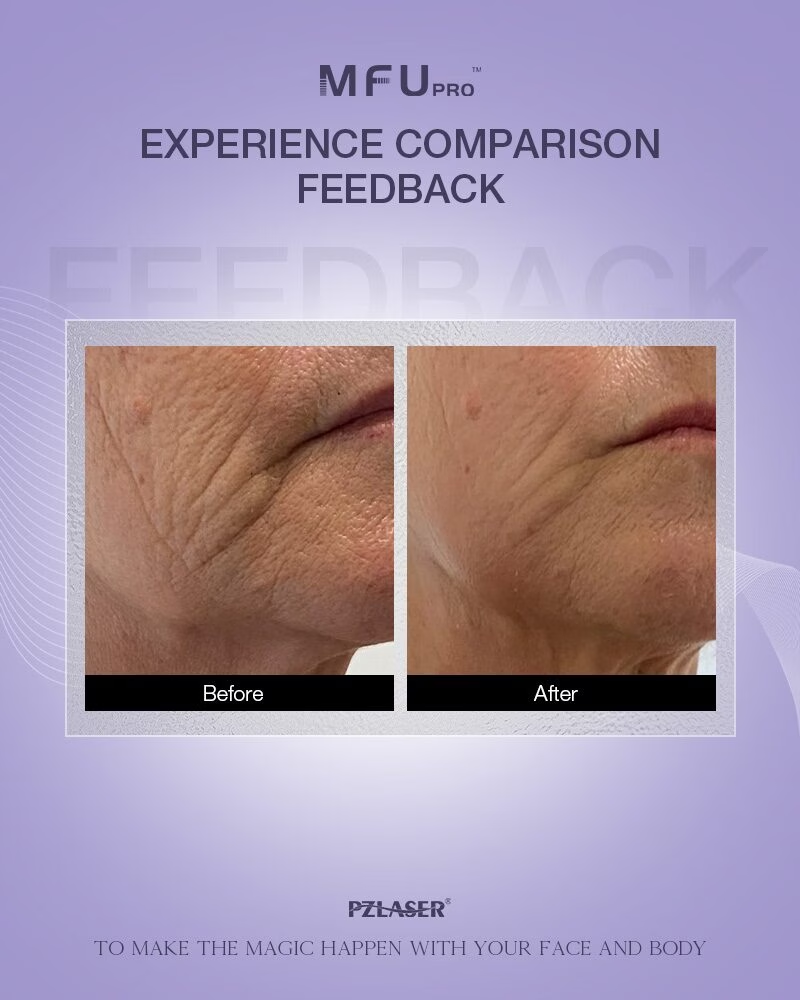
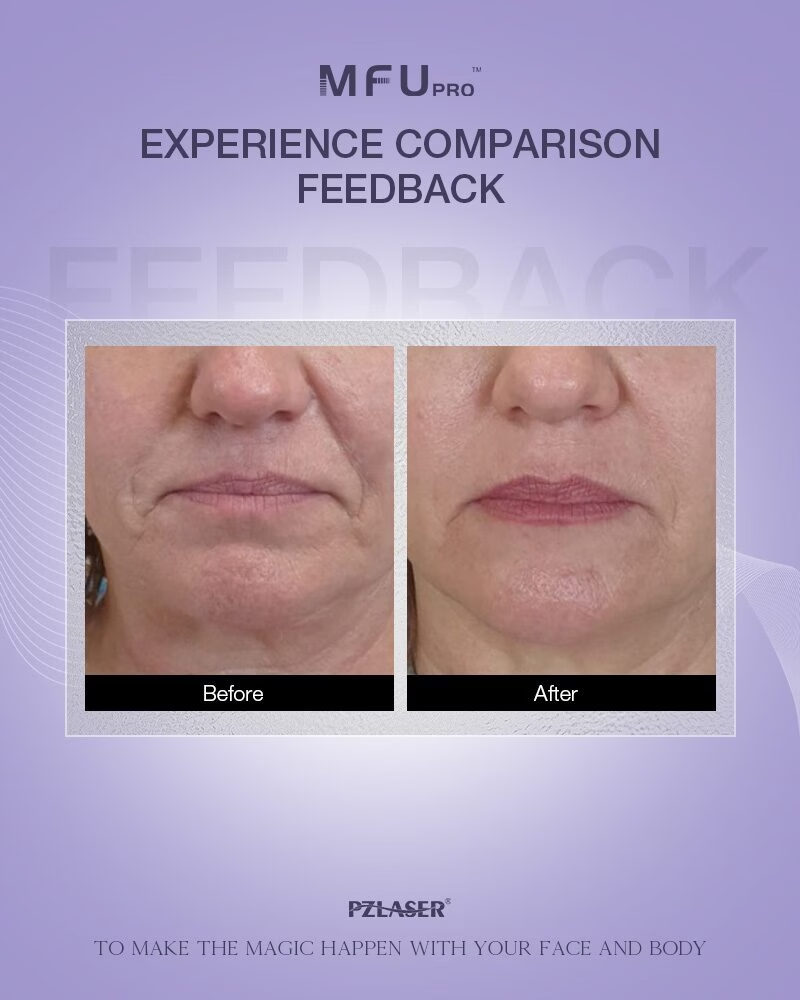
1. PZLASER MFUpro® — Micro-Focused Ultrasound for Face & Body Lifting
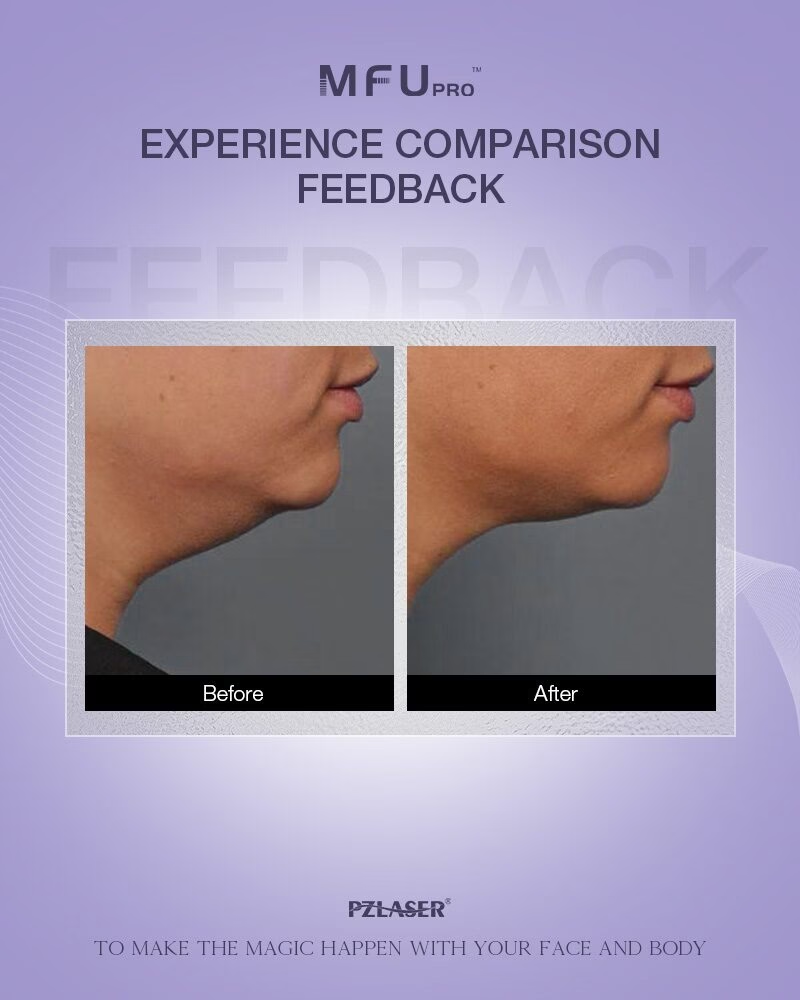
MFUpro® is PZLASER's Micro-Focused Ultrasound platform designed for multi-layer skin lifting and tightening.
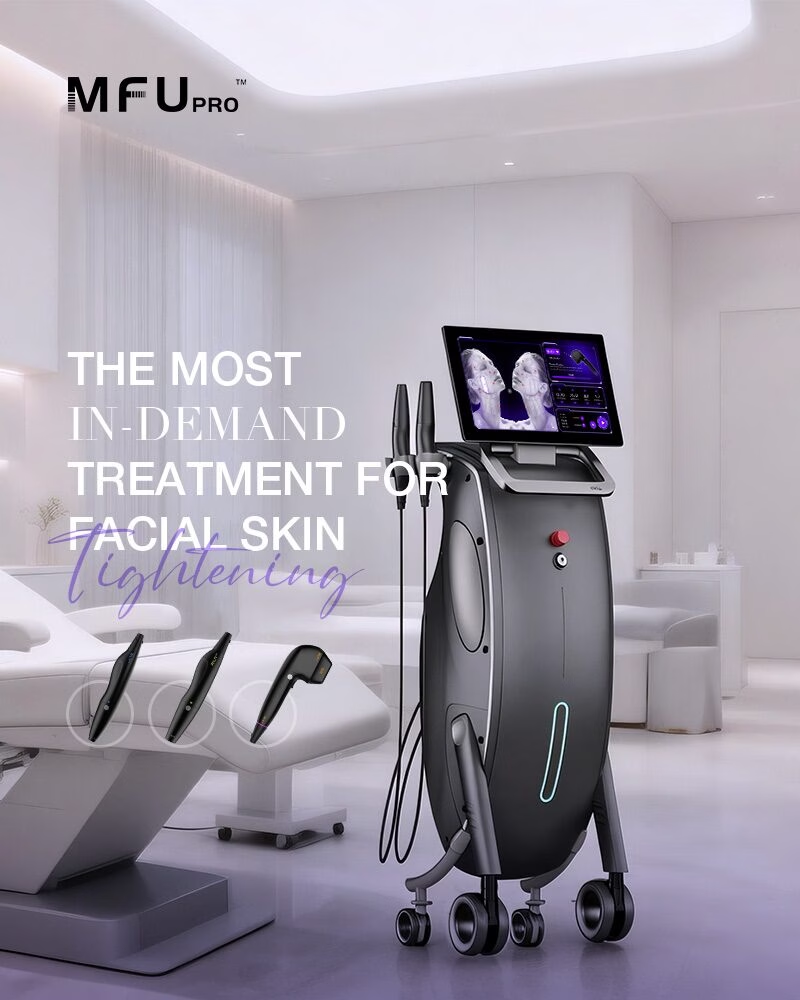
The system supports different treatment depths from 1.5 mm to 13 mm, with cartridges designed for different facial and body treatment areas. The current platform also features MFU + SD technology for more flexible treatment delivery.
Key Features
- Micro-Focused Ultrasound technology
- Multi-depth treatment options
- Facial and body applications
- MFU + SD technology
- Multiple cartridge configurations
- Designed for non-invasive lifting and tightening
Best For
Clinics looking for a dedicated face and body lifting platform.
MFUpro® can be positioned as the HIFU/MFU solution within a broader skin rejuvenation treatment menu.
2. PZLASER RFMStar™ — RF Microneedling with Vacuum Technology
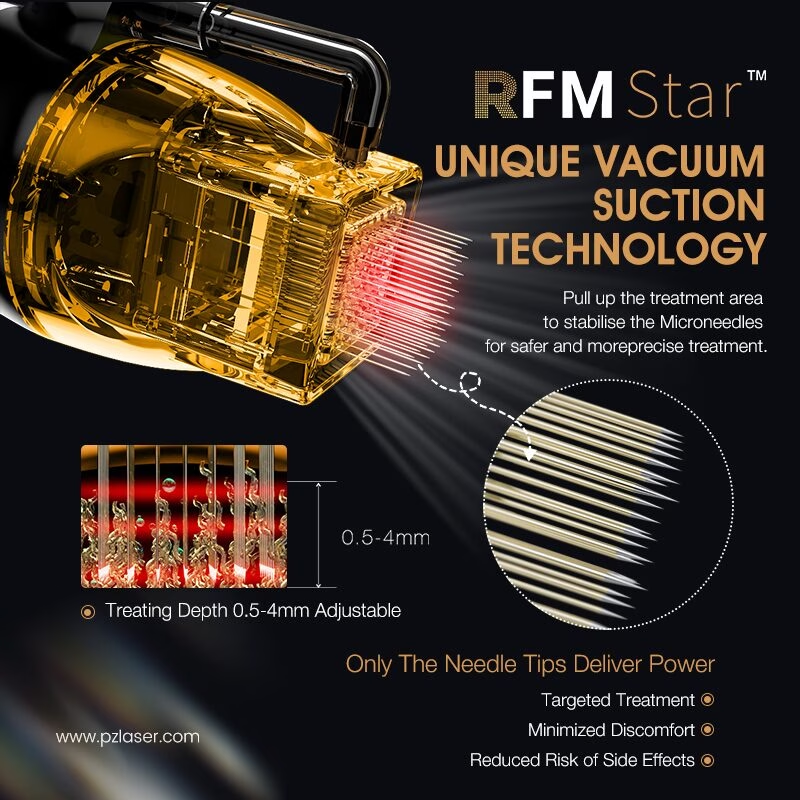
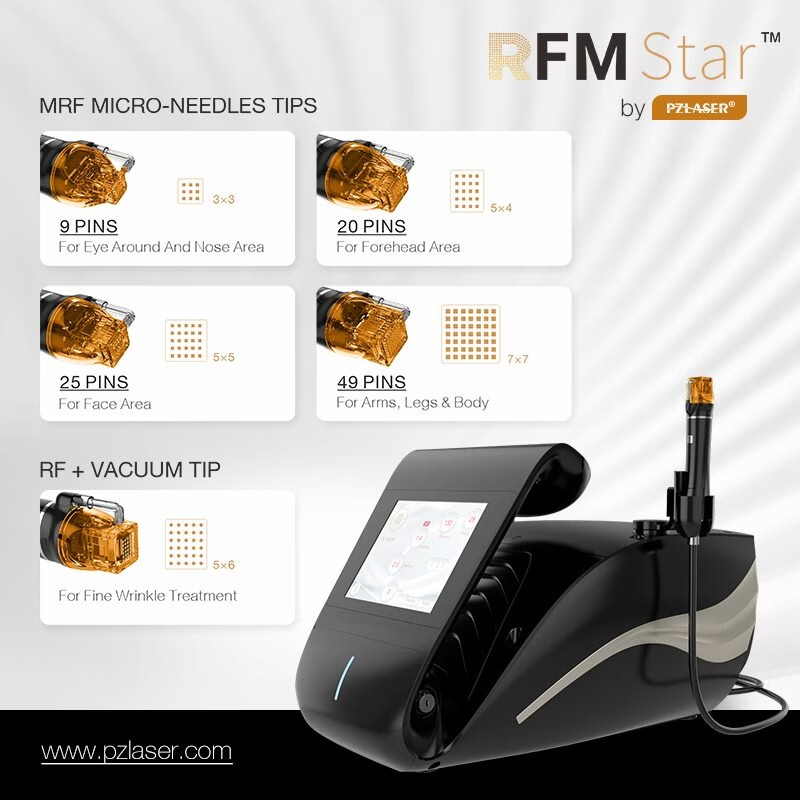
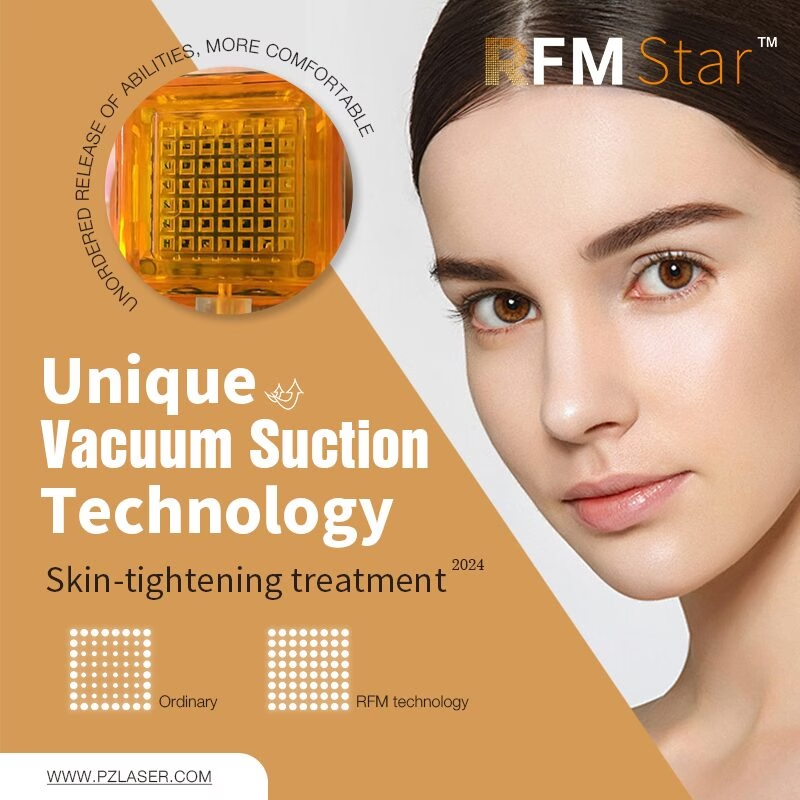
RFMStar™ combines Microneedling, RF Energy, and Vacuum Technology in one platform.
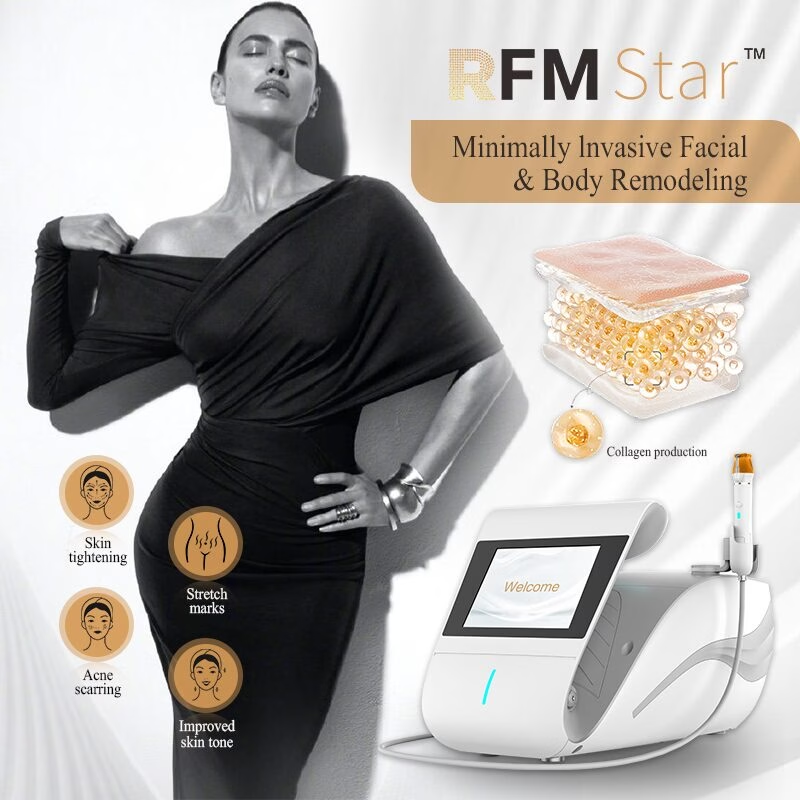
Its vacuum system helps stabilize the treatment area during microneedling, while RF energy is concentrated around the needle tips. The platform also supports adjustable needle depth and energy intensity for customized treatments.
Key Features
- RF Microneedling
- Vacuum-assisted treatment
- Adjustable needle depth
- Controlled RF energy delivery
- RF energy focused at the needle tips
- Face and body applications
Best For
Clinics looking for a versatile platform for skin tightening, texture improvement, acne scars, pores, and other rejuvenation applications.
RFMStar™ can occupy the middle position between non-invasive tightening and more intensive resurfacing treatments.
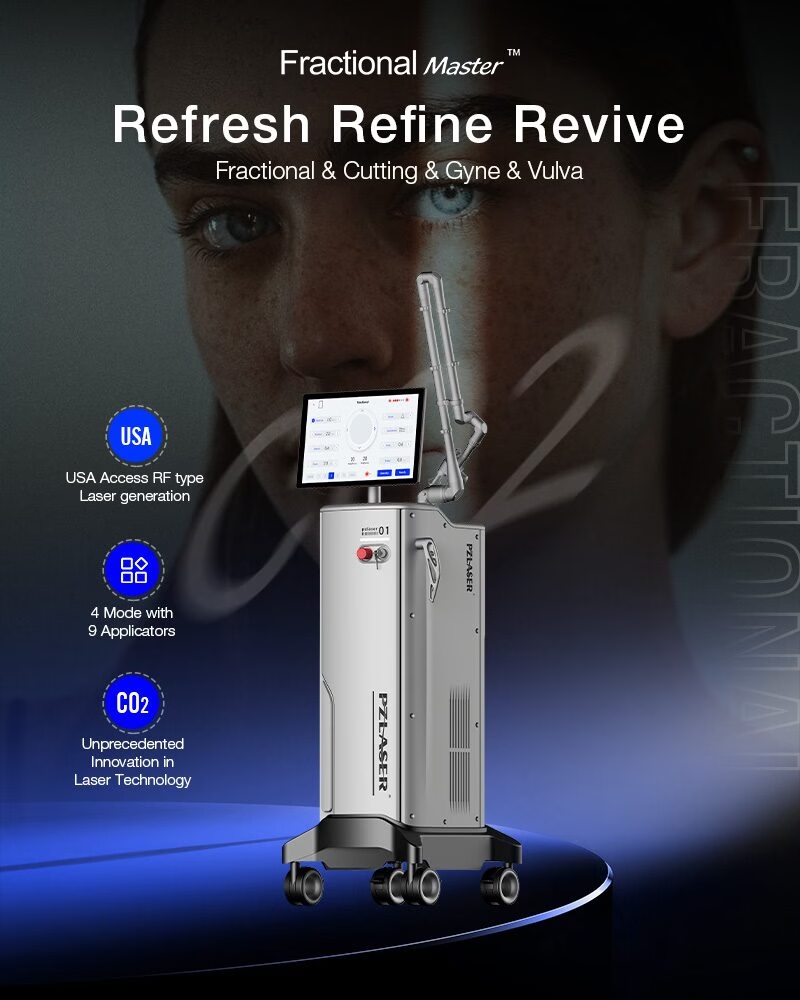
3. PZLASER Fractional Master™ — Fractional CO₂ Laser for Skin Resurfacing
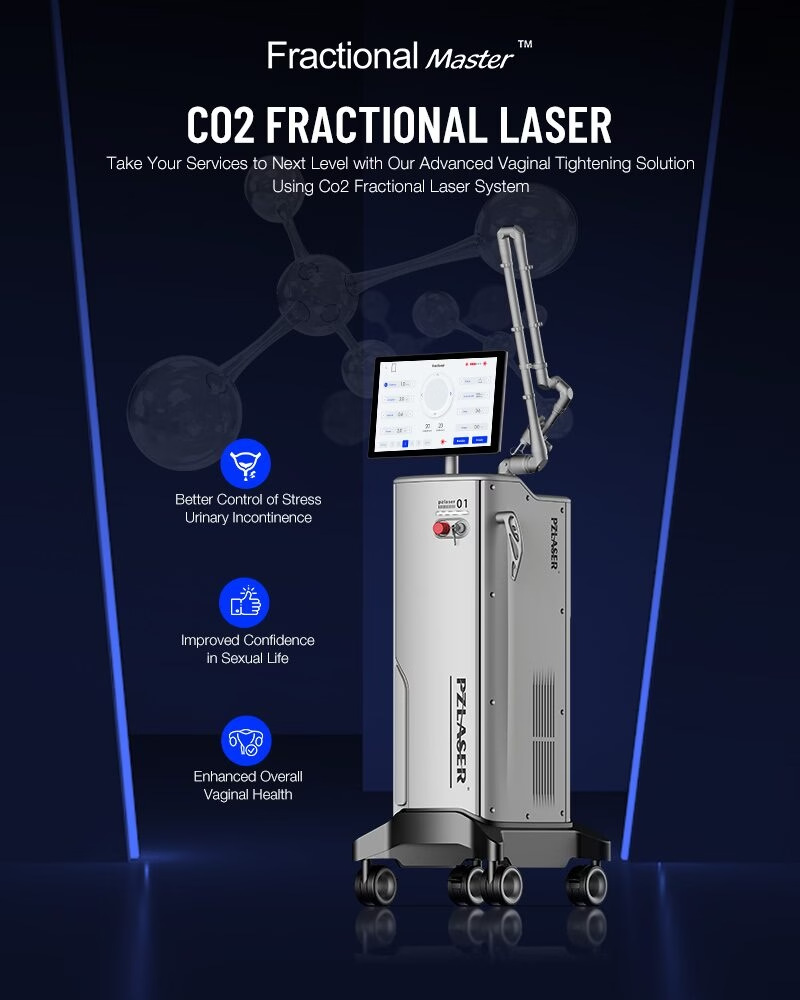
Fractional Master™ is PZLASER's Fractional CO₂ platform for advanced skin resurfacing and rejuvenation.
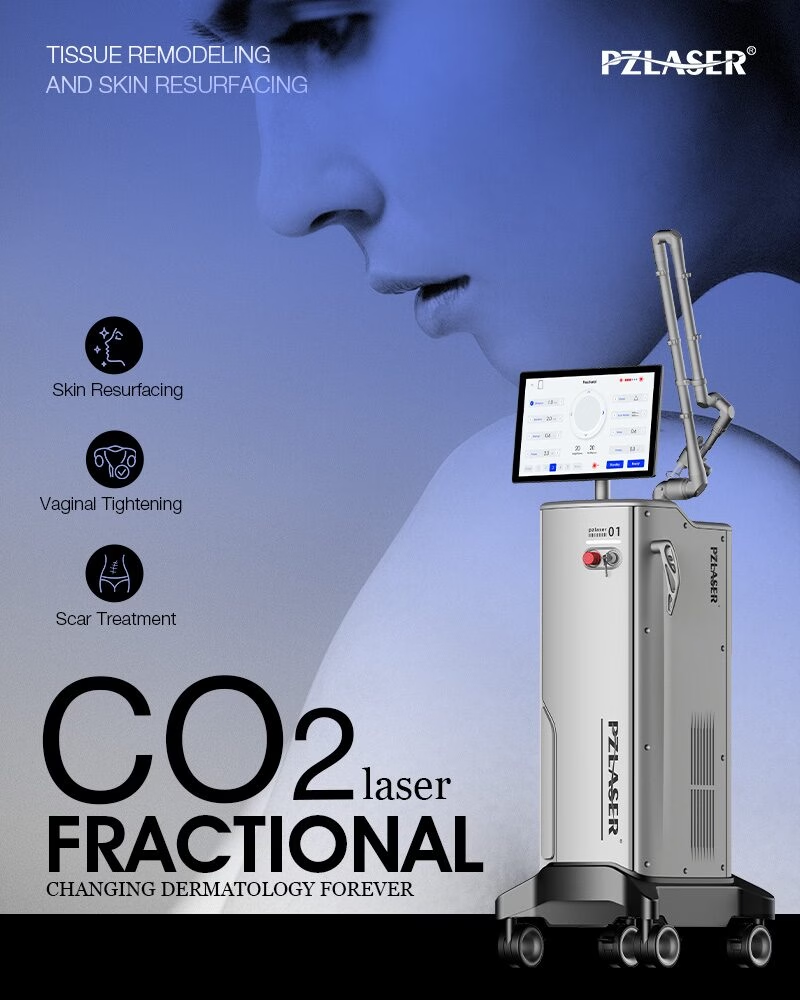
The system uses fractional CO₂ technology to address acne scars, wrinkles, uneven skin tone, and skin texture.
Key Features
- Fractional CO₂ technology
- Precision in-body scanner
- Lightweight handpiece and articulated arm
- Skin resurfacing applications
- Acne scar and texture treatments
- Efficient treatment workflow
Best For
Clinics looking to add advanced skin-resurfacing and corrective treatments to their service menus.
Which PZLASER Skin Technology Should Your Clinic Choose?
| Your Clinic Priority | Recommended Technology | PZLASER Machine |
|---|---|---|
| Non-invasive lifting | HIFU / MFU | MFUpro® |
| Skin tightening + texture | RF Microneedling | RFMStar™ |
| Acne scars + resurfacing | Fractional CO₂ | Fractional Master™ |
| Comprehensive skin menu | Combination | All three |
The right choice ultimately depends on your clinic's treatment focus, patient demand, investment strategy, and desired treatment portfolio.
Conclusion
The most practical strategy may not be choosing one technology over another. Instead, it can be more valuable to build a complementary treatment portfolio that matches different patient needs.
With MFUpro®, RFMStar™, and Fractional Master™, PZLASER provides three different technology platforms that can support lifting, tightening, rejuvenation, and resurfacing within a professional skin treatment menu.
Frequently Asked Questions About Skin Tightening Machine
Neither technology is universally better. HIFU primarily targets deeper tissues to lift and tighten the skin, while RF Microneedling combines skin tightening with treatments that improve skin texture.
RF Microneedling uses microneedles and RF energy to stimulate tissue remodeling, while Fractional CO₂ uses fractional laser energy for more intensive skin resurfacing.
Yes. They can complement each other because they target different treatment mechanisms and patient needs.
It depends on the clinic's treatment focus. MFUpro® delivers lifting and tightening treatments, RFMStar™ provides RF Microneedling-based rejuvenation, and Fractional Master™ enables fractional CO₂ resurfacing. Clinics seeking a broader skin treatment menu can consider combining these complementary technologies.