
Quick Answer
The best equipment combination will depend on a clinic's target patients, treatment demand, budget, available space, staff capabilities, and long-term business strategy.
| Machine Category | Core Treatment | Main Patient Need | Role in a Medspa |
|---|---|---|---|
| Diode Laser | Hair Removal | Unwanted Hair | High-demand treatment |
| Hydra Dermabrasion | Skin Maintenance | Cleansing & Hydration | Repeat facial treatment |
| Picosecond Laser | Pigmentation / Selected Tattoo Treatments | Pigment Concerns | Advanced skin treatment |
| HIFU / RF | Skin Tightening | Skin Laxity & Aging | Premium anti-aging service |
| Body Contouring | Fat Reduction / Muscle Building | Body Shaping | Body treatment expansion |
Together, these technologies can cover five major aesthetic needs: hair removal, skin maintenance, corrective skin treatments, anti-aging, and body contouring.
Introduction
Opening a medspa does not mean you need to purchase dozens of aesthetic machines from the beginning. A well-planned equipment strategy can help a clinic cover multiple high-demand treatment categories with a relatively small number of versatile machines.
For many modern medspas, five core equipment categories can provide a strong foundation:
- Diode laser for hair removal
- Hydra dermabrasion for skin maintenance
- Picosecond laser for pigmentation and selected tattoo treatments
- HIFU or RF for skin tightening
- Body contouring equipment for fat reduction and muscle building
Together, these technologies can help a clinic serve patients looking for hair removal, facial care, pigmentation treatments, anti-aging procedures, and body contouring.

What Should a Complete Medspa Treatment Menu Cover?
A strong treatment menu should start with patient needs rather than individual machines.
Patients typically visit an aesthetic clinic for different reasons. One person may be looking for hair removal, another may want regular facial maintenance, while another may be interested in pigmentation treatment, skin tightening, or body contouring.
This means a well-planned medspa equipment portfolio should cover several complementary treatment categories instead of purchasing multiple machines that perform similar functions.
1. Hair Removal
Hair removal is a familiar and widely requested aesthetic service. Laser hair removal can also involve a series of treatment sessions, creating opportunities for repeat appointments.
2. Skin Maintenance
Regular cleansing, exfoliation, hydration, and facial maintenance can provide an accessible entry point for new clients and support recurring treatment programs.
3. Corrective Skin Treatments
Patients with pigmentation concerns or selected tattoo-related needs may require a more advanced laser platform than a routine facial system can provide.
4. Skin Tightening
Skin laxity and visible signs of aging are common reasons patients seek professional aesthetic treatments. HIFU and RF technologies can give a clinic another treatment category focused on skin tightening and lifting.
5. Body Contouring
Body contouring allows a medspa to expand beyond facial treatments to offer services for body shaping, fat reduction, and muscle definition.
Start With Patient Needs, Not Machines
Before deciding which machines to purchase, ask a simple question:
What are your target patients actually looking for?
The key is to select equipment that complements rather than duplicates these treatment categories.
The 5 Essential Machines for a Complete Medspa Treatment Menu
Why Hair Removal Belongs in a Medspa Treatment Menu
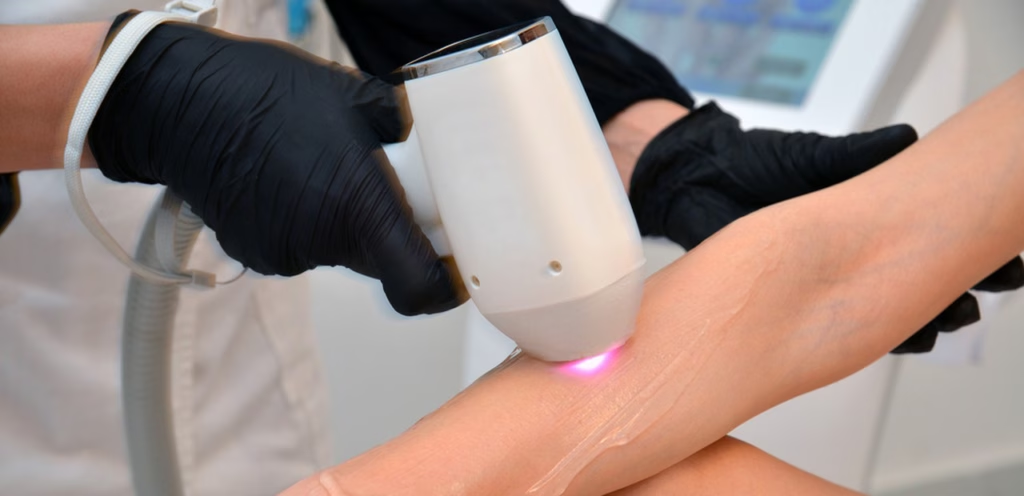
Hair removal can be an important foundation for a medspa because it addresses a broad consumer need and can involve multiple treatment sessions.
A professional diode laser hair removal system can also support treatments across different body areas, making it easier for clinics to build a dedicated hair removal service line.
When evaluating a diode laser hair removal machine, clinics should look beyond the headline power specification.
Important factors include:
- Available wavelengths
- Energy stability
- Pulse duration
- Spot size
- Cooling technology
- Handpiece ergonomics
- Treatment speed
- Ease of operation
- Long-term serviceability
A well-designed system should combine effective energy delivery with appropriate cooling and an efficient workflow.
Why Every Medspa Needs a Skin Maintenance Option
A complete treatment menu should not focus only on corrective or advanced procedures.
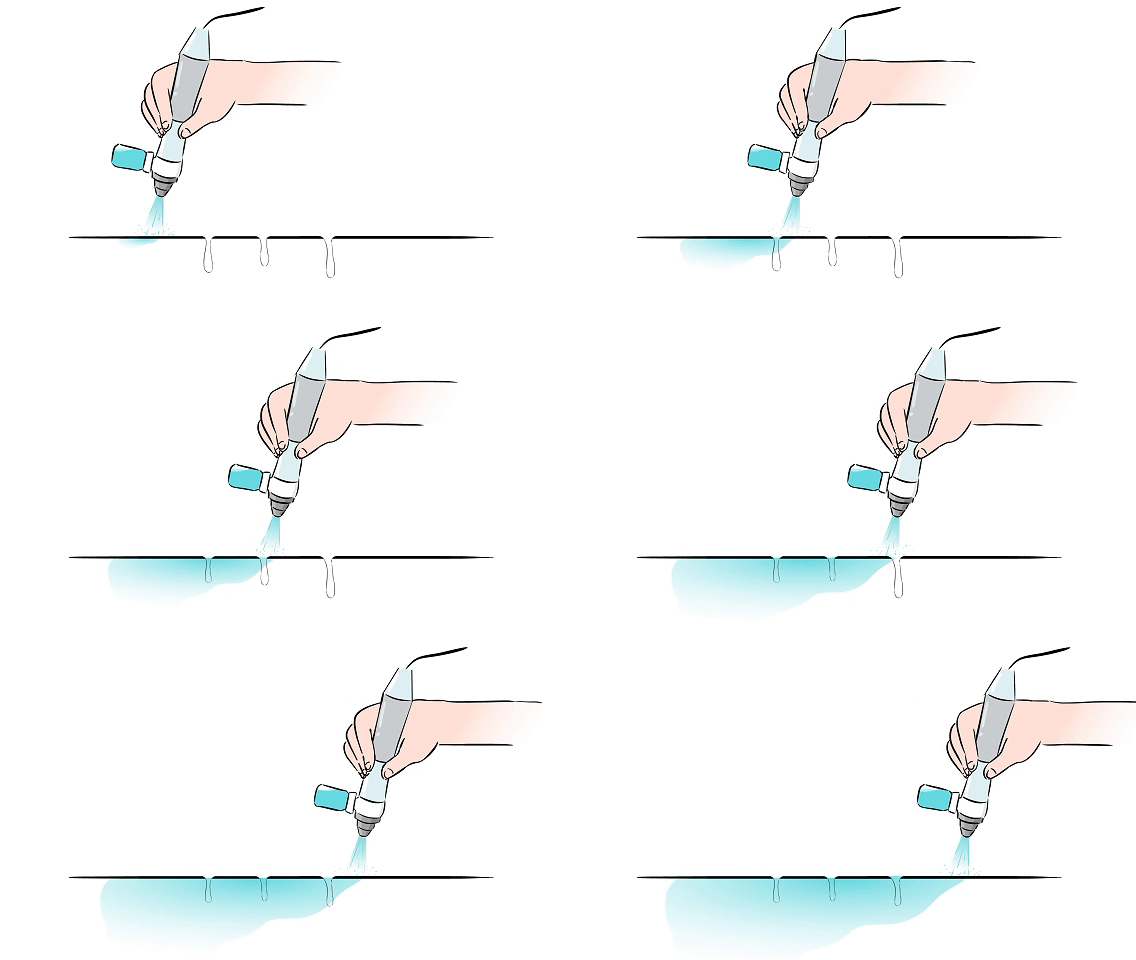
Many clients are looking for regular skin maintenance, including cleansing, exfoliation, hydration, and infusion. This creates an opportunity for medspas to build repeat treatment programs rather than relying exclusively on occasional high-value procedures.
Hydra dermabrasion is particularly suitable for this role because it can be incorporated into routine facial treatment programs.
Depending on the system and treatment protocol, hydra dermabrasion may combine steps such as:
- Skin cleansing
- Exfoliation
- Pore care
- Hydration
- Solution infusion
From a business perspective, maintenance treatments can help turn a one-time customer into a repeat client.
What Can a Pico Laser Add to a Medspa?
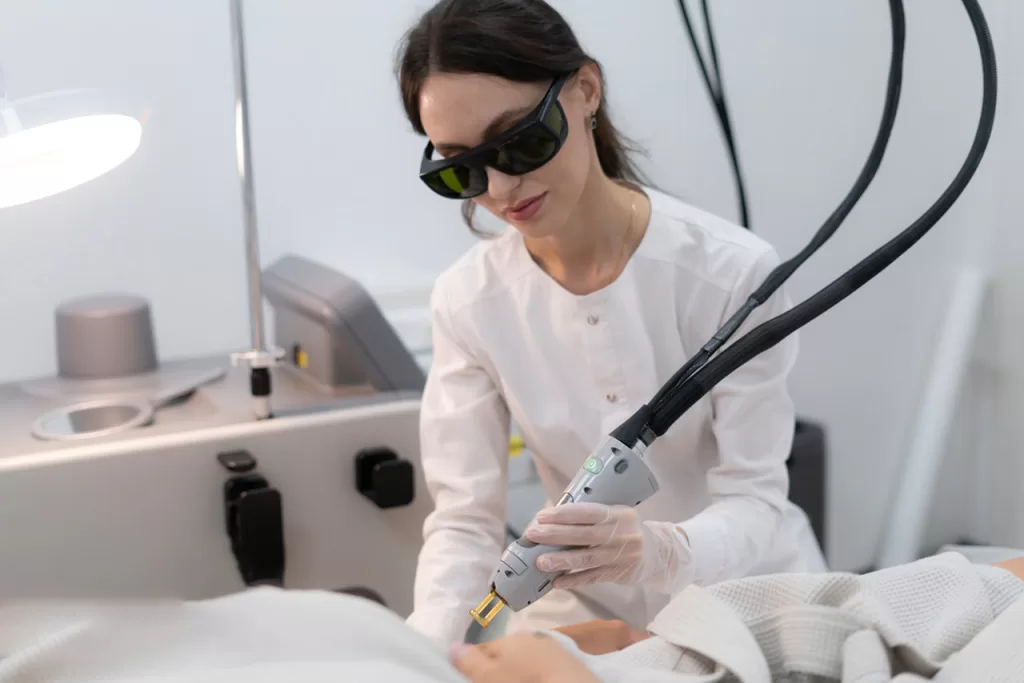
Picosecond laser technology uses ultra-short laser pulses measured in picoseconds.
Depending on the wavelength, treatment parameters, and clinical protocol, picosecond laser systems can be used for applications including:
- Pigmentation concerns
- Selected tattoo treatments
- Skin rejuvenation applications
- Other pigment-related aesthetic treatments
The versatility of the platform allows a clinic to address patient needs that cannot be covered by a basic facial treatment system.
Why Skin Tightening Is Important for a Medspa
Patients interested in anti-aging treatments may be looking for non-invasive or minimally invasive approaches to improve the appearance of skin laxity.
HIFU and RF are two technologies commonly used in professional aesthetic treatment environments.
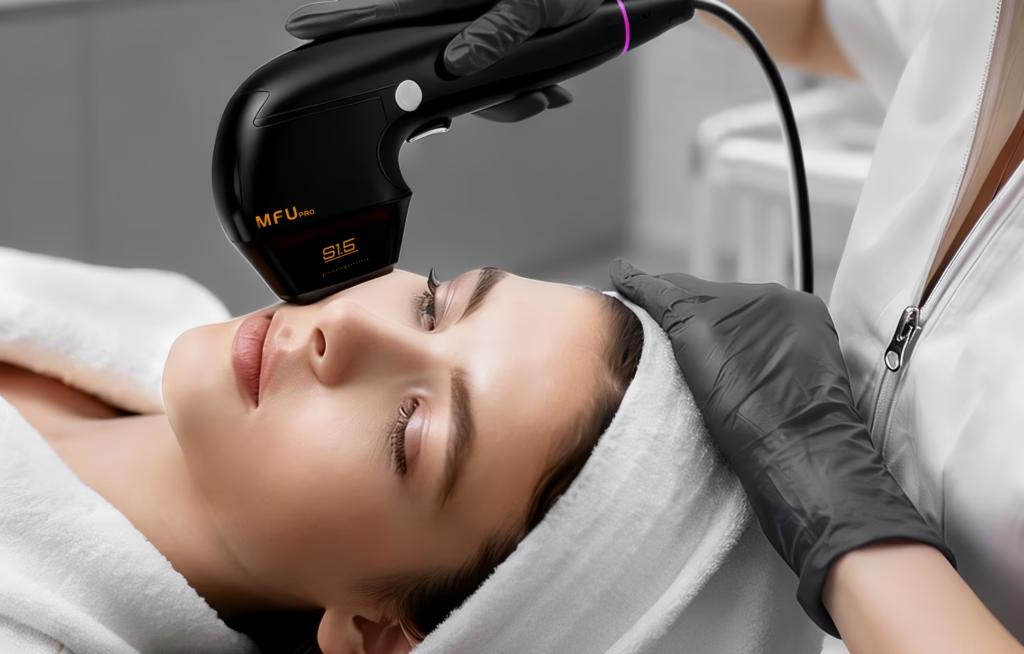
HIFU: High-intensity focused ultrasound uses focused ultrasound energy to target specific tissue depths.
RF: Radiofrequency systems use controlled RF energy to generate thermal effects within targeted tissue.
The two technologies work differently, so clinics should select a system based on the treatment goals, patient population, treatment protocols, and overall service strategy.
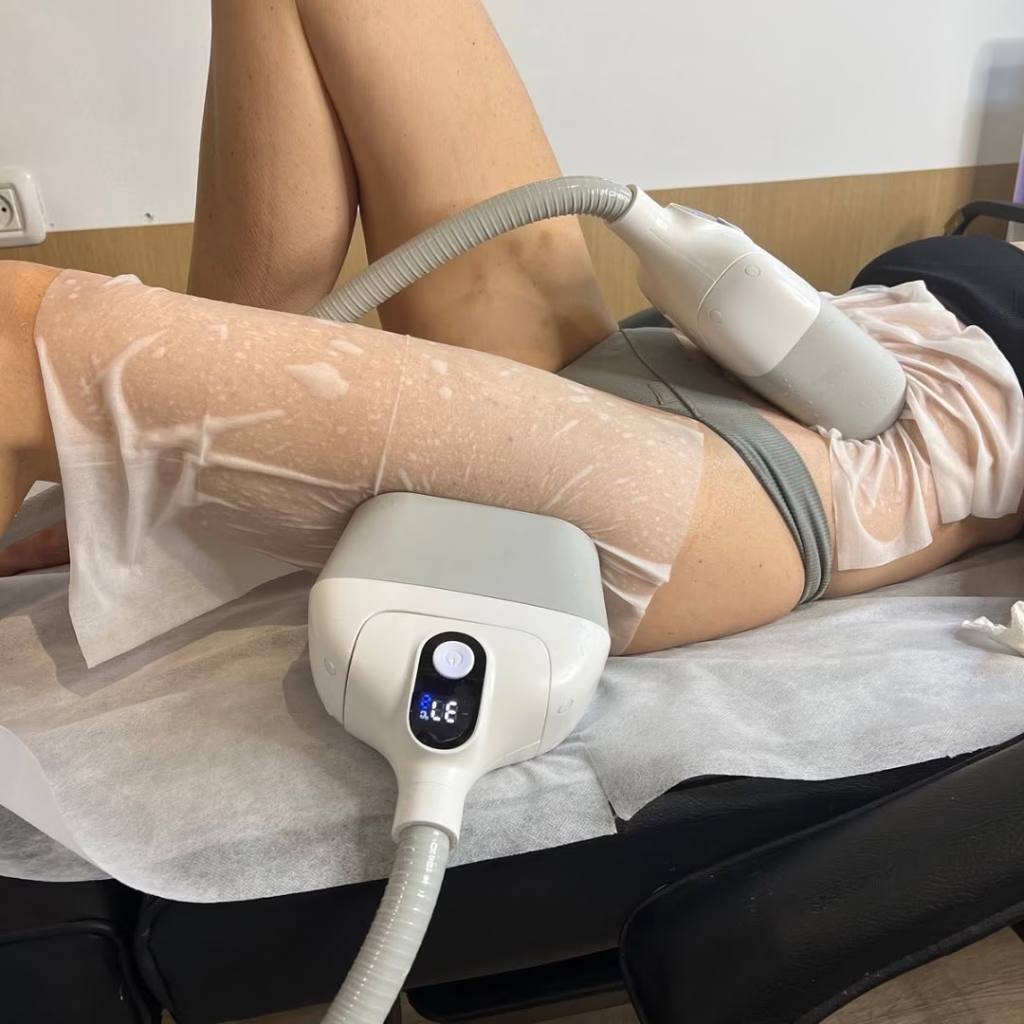
Why Body Contouring Completes the Treatment Menu
The first four machine categories primarily address hair and facial aesthetic needs. The fifth category expands the treatment menu into the body.
Body contouring can help a medspa serve patients who are interested in body shaping, fat reduction, muscle definition, or related aesthetic goals.
Modern body contouring platforms can use different technologies, including:
- Cryolipolysis
- Radiofrequency
- Electromagnetic muscle stimulation
- Laser-based body contouring
- Combination technologies
The right technology depends on the clinic's target market and treatment strategy.
For example, a clinic targeting body shaping may prioritize fat reduction, while another may want a platform that combines muscle stimulation and body contouring.
How to Choose the Right Five Machines for Your Medspa
Not every medspa should purchase exactly the same equipment.
A clinic's ideal equipment portfolio depends on its location, target market, patient demographics, treatment demand, budget, available space, staff capabilities, and business model.
Before purchasing equipment, consider these five factors.
1. Patient Demand
Start with the treatments your target patients are actively looking for.
A clinic with strong demand for hair removal may prioritize a diode laser, while a skin-focused clinic may invest more heavily in facial and rejuvenation technologies.
Do not choose equipment simply because a technology is popular in another market.
2. Treatment Frequency
Consider how frequently patients are likely to return.
Some treatment categories naturally involve multiple sessions or ongoing maintenance. These services may play an important role in building recurring appointments.
3. Treatment Versatility
A versatile machine can potentially support more treatment options than a highly specialized platform.
When comparing machines, consider not only what the equipment does today but also how it fits into the treatment menu you want to build.
4. Ease of Operation
Equipment should match the experience and training level of the operators.
An intuitive interface, ergonomic handpiece, clear treatment parameters, and manufacturer training can all influence daily workflow.
5. Long-Term Support
Aesthetic equipment is a long-term investment.
Before purchasing, evaluate:
- Warranty
- Spare parts availability
- Technical support
- Operator training
- Maintenance requirements
- Product upgrades
- Manufacturer experience
The equipment manufacturer should be viewed as a long-term business partner rather than simply a machine supplier.
Should a New Medspa Buy All Five Machines at Once?
Not necessarily.
For many new clinics, a phased investment strategy may be more practical than purchasing a complete equipment portfolio from day one.
Stage 1 — Build the Foundation
Start with two complementary services:
Diode Laser + Hydra Dermabrasion
This combination can establish two different treatment categories:
- Hair removal
- Skin maintenance
The clinic can then begin building a customer base while monitoring which additional treatments are most requested.
Stage 2 — Expand Into Advanced Skin Treatments
Once the clinic has established its core services, consider adding:
Picosecond Laser + HIFU / RF
This expands the treatment menu into:
- Pigmentation
- Selected tattoo treatments
- Skin rejuvenation applications
- Skin tightening
- Facial lifting
Stage 3 — Enter Body Contouring
The next step can be:
Body Contouring Equipment
This allows the clinic to move beyond facial services and introduce body-shaping, fat-reduction, and muscle-building treatments.
A phased equipment strategy allows investment to grow in step with actual patient demand.
Build Your Medspa Treatment Menu With PZLASER
PZLASER offers a range of professional aesthetic technologies that can be combined into a comprehensive treatment platform. For clinics looking to cover the five core treatment categories discussed above, the following solutions provide a practical starting point.
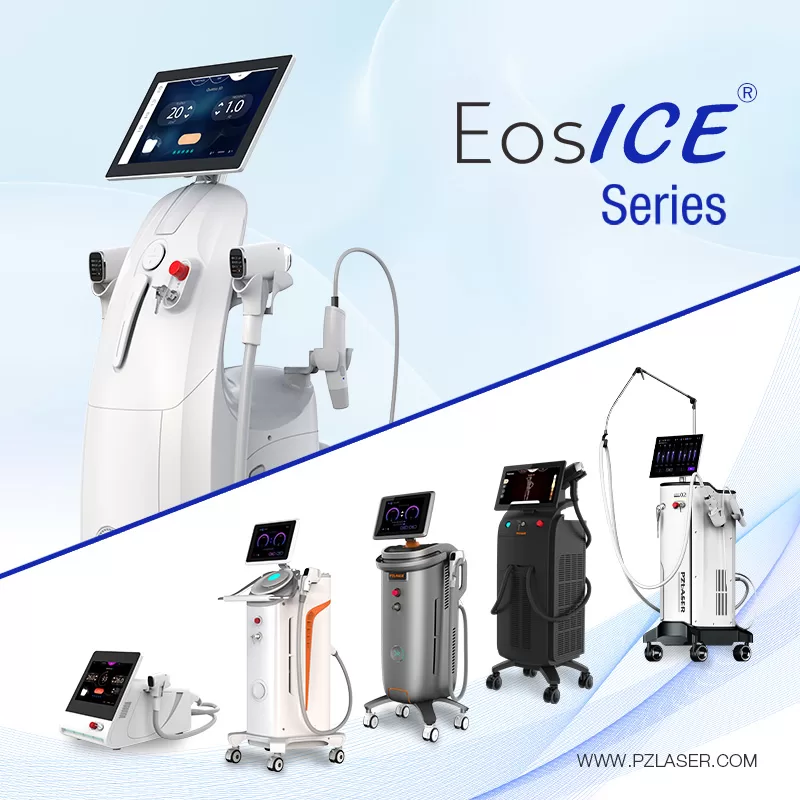
EOSICE® Diode Laser — Hair Removal
EOSICE® is a professional multi-wavelength diode laser designed for efficient hair removal. Its key features include 755nm, 808nm, 940nm, and 1064nm wavelengths, advanced cooling, and multiple spot sizes. The multi-wavelength design provides greater treatment flexibility, while the cooling system is designed to support patient comfort during treatment.
Best for: Professional laser hair removal and high-demand hair removal services.
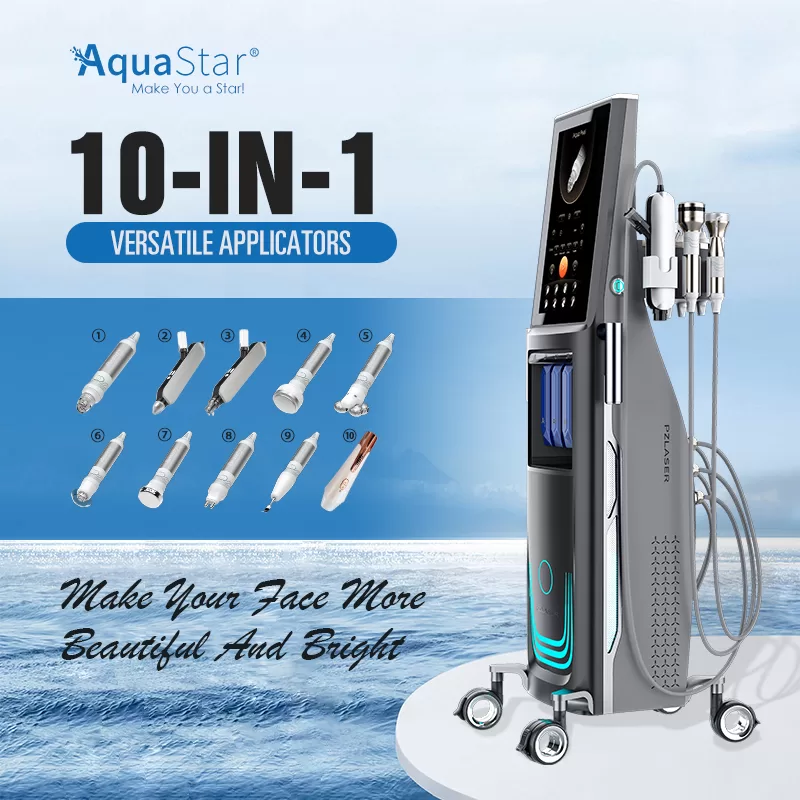
AquaStar® Hydra Dermabrasion — Skin Maintenance
AquaStar® is designed for routine facial skin maintenance, combining cleansing, exfoliation, extraction, hydration, and infusion in one treatment platform. Its Vortex™ technology and multiple applicators allow clinics to customize treatments according to different skincare needs.
Best for: Regular facial treatments, skin cleansing, hydration, and repeat maintenance services.
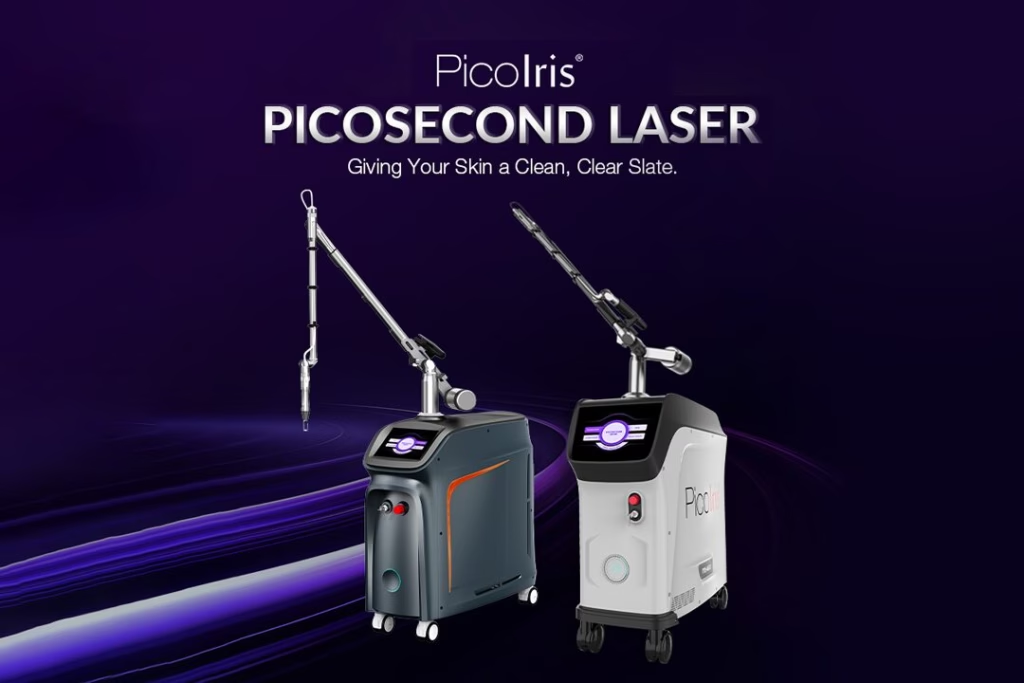
PicoIris® Picosecond Laser — Pigmentation & Corrective Treatments
PicoIris® is a versatile picosecond laser featuring a 350ps ultra-short pulse and multiple treatment modes. It is designed for applications including pigmentation, selected tattoo treatments, and skin rejuvenation. Multiple wavelengths and treatment modes provide flexibility for professional aesthetic applications.
Best for: Pigmentation-related treatments, selected tattoo treatments, and advanced skin applications.
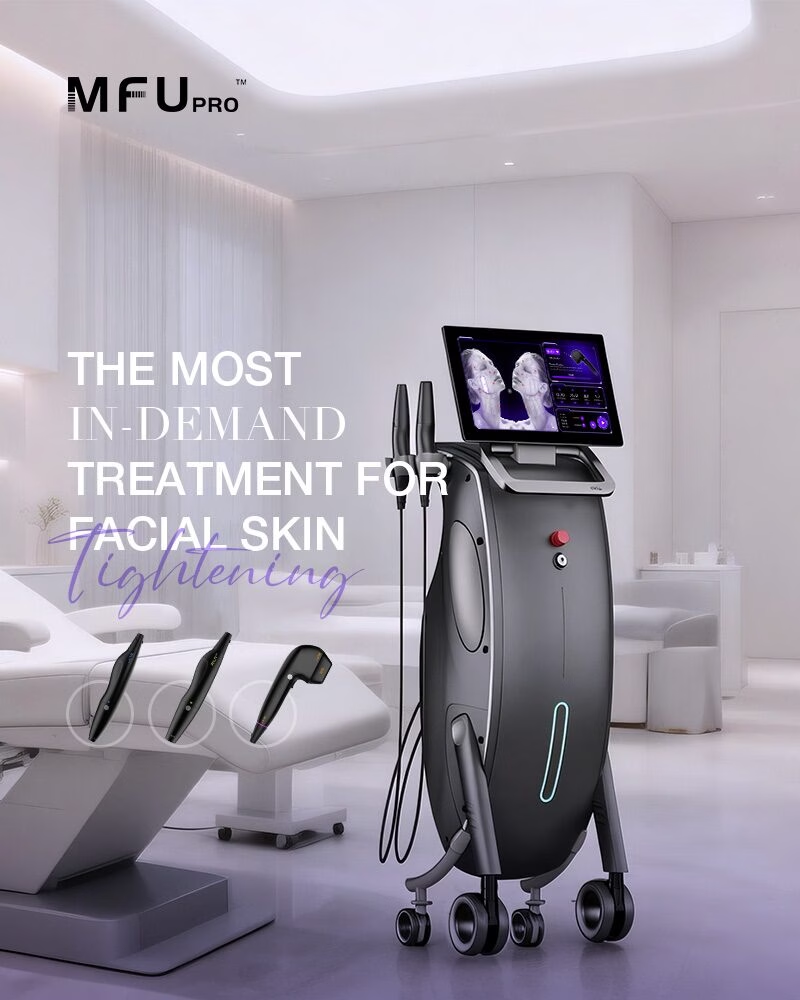
MFUpro® — Face & Body Skin Tightening
MFUpro® uses Micro Focused Ultrasound technology for facial and body skin tightening applications. With multiple cartridge depths from 1.5mm to 9.0mm, the system provides flexibility for different treatment areas and tissue depths. Its Face & Body design also allows clinics to expand their skin tightening services beyond facial treatments.
Best for: Skin tightening, lifting, and selected facial and body applications.
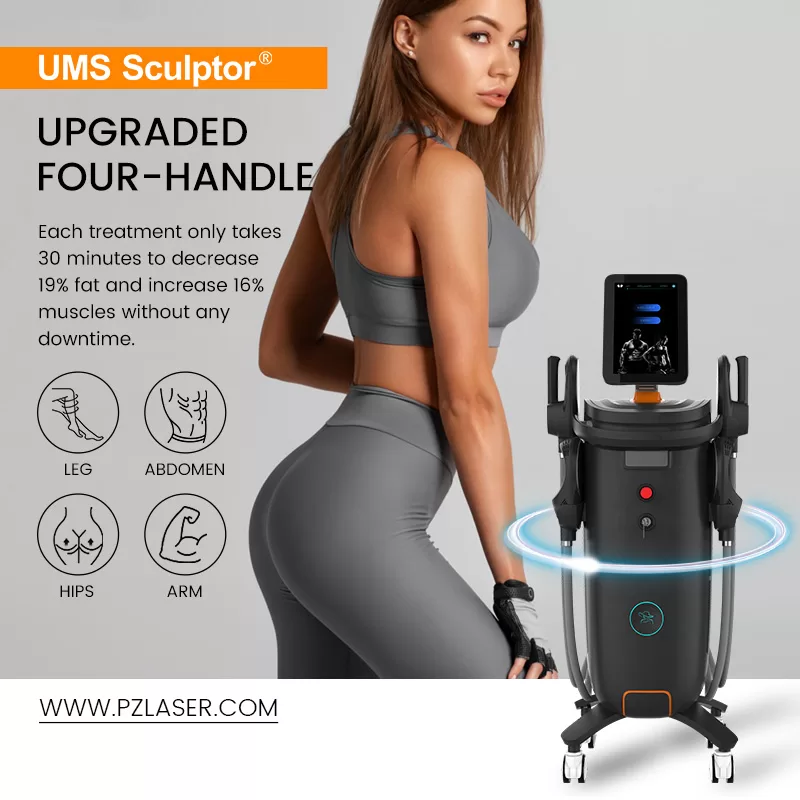
UMS Sculptor® — Body Contouring & Muscle Building
UMS Sculptor® combines HIFEM/EMS and RF technologies for body contouring and muscle-building applications. The system supports multiple applicators and treatment areas, allowing clinics to develop customized body shaping programs while combining muscle stimulation with RF energy.
Best for: Body contouring, muscle building, body shaping, and fat-reduction-related aesthetic programs.
Why Work With One Aesthetic Equipment Manufacturer?
When a clinic needs multiple technologies, working with one experienced aesthetic equipment manufacturer can simplify the purchasing and expansion process.
Instead of sourcing every machine from a different supplier, a clinic can build a more integrated equipment portfolio.
One Supplier
Multiple treatment categories can be sourced through one manufacturer.
Consistent Training
Operators can receive product and application training through a centralized support structure.
Technical Support
A long-term relationship with the manufacturer can simplify communication when technical questions arise.
Spare Parts and Maintenance
Working with an established supplier may make future maintenance and spare-part management more straightforward.
Future Expansion
As the clinic grows, additional technologies can be added to an existing equipment portfolio.
For B2B buyers, the manufacturer relationship can therefore be just as important as the individual machine specifications.
Conclusion
PZLASER provides aesthetic equipment solutions across multiple treatment categories, allowing clinics, medspas, distributors, and aesthetic businesses to build a broader equipment portfolio through one manufacturer.
From hair removal and skin maintenance to pigmentation, skin tightening, and body contouring, the right combination of technologies can help create a more complete treatment menu.
One Manufacturer → Multiple Treatment Categories → One Scalable Aesthetic Platform
If you are planning to open a new medspa or expand an existing aesthetic clinic, evaluating your equipment as a complete treatment portfolio can help you make a more strategic long-term investment.
Frequently Asked Questions About Medspa Treatment Menu
Essential medspa equipment can include a diode laser for hair removal, a Hydra Dermabrasion system for skin maintenance, a picosecond laser for pigmentation and select tattoo treatments, HIFU or RF equipment for skin tightening, and body-contouring equipment for fat reduction and muscle building.
A new medspa does not necessarily need dozens of machines. Starting with two or three complementary technologies and expanding according to patient demand can be a practical approach.
There is no single best machine for every medspa. The right starting equipment depends on the clinic's target market, location, budget, staff, and treatment strategy. High-demand categories such as hair removal and skin maintenance can provide a practical foundation for many clinics.
Working with one experienced aesthetic equipment manufacturer can simplify purchasing, training, technical support, spare-part management, and future equipment expansion. However, clinics should still evaluate each device based on its technology, quality, certifications, support, and suitability for their intended applications.
Start by identifying the most important patient needs and select complementary technologies rather than machines with overlapping functions. A practical approach can be to start with hair removal and skin maintenance, then add advanced skin and body treatments as the clinic grows.